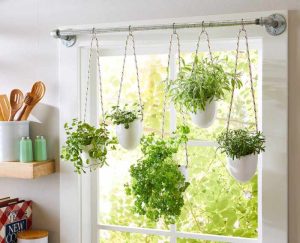
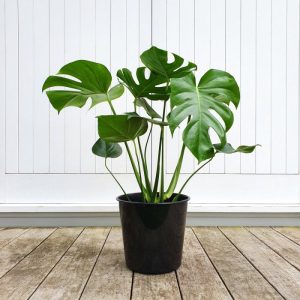
Large indoor plant pots aren’t just containers; they’re statement pieces that can dramatically alter a room’s ambiance. Choosing the right pot involves considering material, style, size, and the plant itself. This guide delves into the world of large indoor planters, exploring everything from selecting the perfect pot to caring for your leafy companions and even using pots creatively throughout your home.
From the sturdy elegance of ceramic to the modern minimalism of concrete, the options are vast. We’ll examine the pros and cons of various materials, explore different design styles, and guide you through choosing the ideal size for your plants.
We’ll also cover essential care tips, repotting techniques, and creative ways to incorporate large pots into your interior design scheme, turning your home into a lush, inviting oasis.
Large Indoor Plant Pots: A Comprehensive Guide
Choosing the right large indoor plant pot can significantly impact the health and aesthetic appeal of your plants and home. This guide delves into the various aspects of selecting, placing, and caring for these substantial containers, helping you create a thriving indoor jungle.
Types of Large Indoor Plant Pots
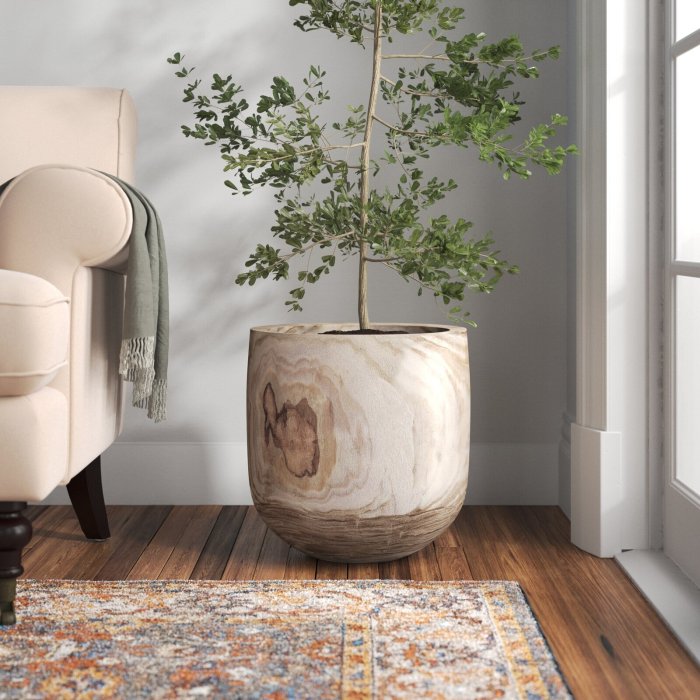
Large indoor plant pots come in a variety of materials, each with its own set of advantages and disadvantages. The choice depends on your aesthetic preferences, budget, and the specific needs of your plants.
- Ceramic Pots:Known for their elegance and ability to retain moisture, ceramic pots can be heavy and prone to cracking in freezing temperatures. Glazed ceramic offers better water resistance than unglazed.
- Plastic Pots:Lightweight, inexpensive, and available in a wide range of colors and styles, plastic pots are durable but can look less aesthetically pleasing than other options. They also don’t breathe as well as porous materials.
- Wooden Pots:Offering a rustic charm, wooden pots add warmth to any space. However, they require regular sealing to prevent water damage and can be susceptible to rot if not properly maintained.
- Metal Pots:Durable and modern, metal pots (e.g., galvanized steel, copper) can add a unique industrial or contemporary feel. They can rust over time unless treated appropriately and may get excessively hot or cold depending on the material and climate.
- Concrete Pots:Heavy and sturdy, concrete pots provide a minimalist and modern look. They’re durable but can be more expensive and require careful handling due to their weight.
Large Indoor Plant Pot Styles and Sizes
The style of your pot should complement your interior design and the plant it houses.
| Material | Style | Size Range (Diameter in inches) | Price Range |
|---|---|---|---|
| Ceramic | Modern | 12-24 | $30-$200+ |
| Plastic | Rustic | 10-30 | $10-$50 |
| Wood | Minimalist | 14-20 | $40-$150 |
| Metal | Traditional | 10-26 | $25-$100+ |
| Concrete | Modern | 16-36 | $50-$300+ |
Aesthetic Impact of Pot Finishes
The finish of your pot significantly contributes to its overall aesthetic.
- Glazed:Offers a smooth, shiny surface that is easy to clean and water-resistant.
- Matte:Provides a more subdued, understated look, often with a slightly textured feel.
- Textured:Adds visual interest and depth, offering a tactile experience. Textured pots can be made from a variety of materials and techniques.
- Painted:Allows for endless customization and can be used to create a unique, personalized look. Choose paints specifically designed for outdoor use for better durability.
Sizing and Considerations for Large Indoor Plants
Matching the pot size to the plant is crucial for healthy growth. Over-potting can lead to root rot, while under-potting restricts growth.
- Fiddle Leaf Fig:A 10-14 inch pot is suitable for a young plant, while mature plants may require a 16-20 inch pot.
- Monstera Deliciosa:A 12-16 inch pot is a good starting point, scaling up as the plant grows.
- Snake Plant:These are relatively slow-growing and can tolerate slightly smaller pots for longer periods. A 8-12 inch pot is suitable for many mature snake plants.
Proper drainage and aeration are vital. Ensure pots have drainage holes, and consider adding a layer of gravel or pebbles at the bottom for improved aeration.
Choosing the Right Pot Size, Large indoor plant pots
- Plant Maturity:Select a pot that comfortably accommodates the plant’s current root system, allowing for some growth.
- Growth Rate:Faster-growing plants will require more frequent repotting into larger containers.
- Pot Material:Porous materials like terracotta dry out faster than plastic, influencing repotting frequency.
Placement and Care of Large Indoor Plant Pots
Light exposure is paramount. Place large plants near windows that receive appropriate sunlight for their specific needs, rotating them regularly for even growth. Avoid placing pots in direct sunlight which may scorch leaves.
Moving and Repotting Large Plants
Moving large plants requires caution. Use a plant dolly or enlist help to avoid injury. Repotting should be done when the plant outgrows its current pot, typically every 1-3 years depending on the species.
Pot Material Maintenance
- Ceramic:Clean with mild soap and water; seal cracks with appropriate sealant.
- Plastic:Clean with soap and water; scrub away stubborn stains.
- Wood:Regularly seal to prevent water damage and rot.
- Metal:Clean with a suitable metal cleaner to prevent rust; apply protective coating as needed.
- Concrete:Clean with a brush and water; seal cracks with concrete sealant.
Creative Uses and Design Ideas for Large Indoor Plant Pots
Large indoor plant pots offer versatility beyond plant containment. They can serve as room dividers, storage units (by adding liners), or decorative elements when empty and used as side tables or accent pieces.
Living Room Design Example
Imagine a living room with a neutral color palette. Two large terracotta pots, one containing a majestic fiddle leaf fig and the other a lush monstera deliciosa, flank a comfortable sofa. A smaller, glazed ceramic pot with a snake plant sits on a side table, creating a balanced and cohesive design.
The overall aesthetic is modern yet warm and inviting.
Enhancing Interior Design Styles
- Bohemian:Use intricately patterned or woven pots, perhaps with trailing plants.
- Minimalist:Opt for sleek, simple pots in neutral colors, perhaps with a single, statement plant.
- Farmhouse:Choose rustic wooden or galvanized metal pots, possibly with herbs or flowering plants.
Sourcing and Purchasing Large Indoor Plant Pots
Large indoor plant pots can be purchased from various sources: online retailers (offering wide selections and often competitive prices), garden centers (allowing for in-person inspection), and home improvement stores (providing a broader range of materials and styles).
Assessing Pot Quality
Consider the pot’s material, construction, drainage, and overall sturdiness. Check for any cracks, chips, or imperfections. A high-quality pot will be durable, aesthetically pleasing, and appropriate for the intended plant.
High-Quality Large Indoor Plant Pot Description
A high-quality large indoor plant pot would be made of durable, weather-resistant material (e.g., thick glazed ceramic or reinforced plastic), feature ample drainage holes, and possess a stable base to prevent tipping. It would be aesthetically pleasing, complementing the plant and surrounding decor, and be of a size appropriate for the plant’s mature size, allowing for several years of growth before repotting is necessary.
Final Conclusion: Large Indoor Plant Pots
Ultimately, selecting and caring for large indoor plant pots is a journey of balancing aesthetics and practicality. By understanding the nuances of materials, sizes, and plant compatibility, you can transform your living space with stunning greenery. Remember, the right pot isn’t just about holding your plant; it’s about enhancing its beauty and contributing to the overall harmony of your home.
So, embrace the process, explore the possibilities, and enjoy the rewarding experience of cultivating a thriving indoor garden.
Detailed FAQs
How often should I water plants in large pots?
Watering frequency depends on the plant, pot material, and environment. Check soil moisture before watering; avoid overwatering, which can lead to root rot.
What are the best materials for large pots in humid environments?
Terracotta and unglazed ceramic pots offer better breathability, preventing excessive moisture buildup in humid conditions. Avoid plastic, which can retain too much water.
How do I prevent my large plant pots from tipping over?
Use heavier pots, choose stable bases, or consider using plant stands for extra support, especially with taller plants.
Can I paint my large plant pots?
Yes, but use exterior-grade paints designed for porous materials like terracotta or concrete to ensure durability and prevent chipping.