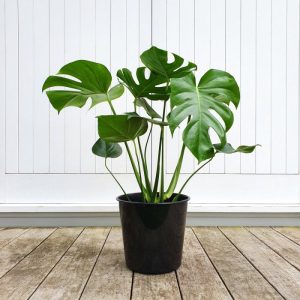
Bird of paradise plant indoor cultivation presents unique challenges and rewards. These striking plants, known for their dramatic blooms, demand specific care to thrive indoors. This guide delves into the essential aspects of providing a suitable environment, addressing common problems, and propagating these beauties within your home.
We’ll cover everything from light and watering needs to troubleshooting common issues and aesthetic placement, ensuring your bird of paradise flourishes.
Successfully growing a bird of paradise indoors hinges on mimicking its natural habitat. Understanding its light, temperature, and humidity preferences is crucial. Proper watering techniques, preventing overwatering or underwatering, are equally important. We’ll explore various potting mixes and address common problems like yellowing leaves or stunted growth, providing practical solutions for each.
Furthermore, we’ll guide you through propagation methods, ensuring you can expand your collection or share these magnificent plants with others.
Bird of Paradise Plant Indoor Care
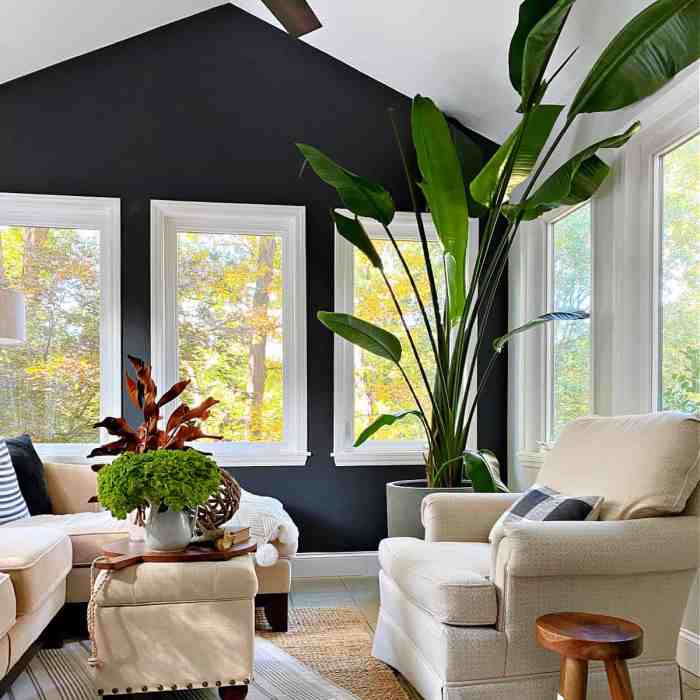
Bringing the vibrant beauty of a Bird of Paradise plant into your home can transform your space. However, successfully cultivating this tropical beauty indoors requires understanding its specific needs. This guide provides a comprehensive overview of indoor Bird of Paradise care, covering everything from environmental conditions to propagation and troubleshooting common problems.
Indoor Environment for Bird of Paradise Plants
Replicating the Bird of Paradise’s natural habitat is key to its thriving indoors. This involves careful consideration of light, temperature, and humidity.
Light:These plants crave bright, indirect light. Direct sunlight can scorch their leaves. An east- or west-facing window, or a spot a few feet away from a south-facing window, often works well. Supplement with grow lights during winter months if natural light is limited.
Temperature:Bird of Paradise plants prefer warm temperatures, ideally between 65-80°F (18-27°C). Avoid placing them near drafty windows or air conditioning vents. Consistent temperatures are crucial for healthy growth.
Humidity:As tropical natives, they appreciate higher humidity levels. Regular misting, placing the pot on a humidity tray filled with pebbles and water, or using a humidifier can help maintain optimal humidity.
Watering Indoor Bird of Paradise Plants
Proper watering is vital for the health of your Bird of Paradise. Overwatering is a common mistake that can lead to root rot. The watering frequency depends on several factors.
Pot Size:Smaller pots dry out faster than larger ones. Monitor the soil moisture regularly, allowing the top inch or two to dry out before watering again. Thoroughly water until water drains from the drainage holes.
Season:Water less frequently during the winter months when growth slows down. Increase watering during the spring and summer when the plant is actively growing.
Potting Mix Comparison for Bird of Paradise Plants
| Mix Type | Drainage | Moisture Retention | Nutrient Content |
|---|---|---|---|
| Peat-based potting mix | Good | Moderate | Moderate |
| Coco coir-based potting mix | Excellent | Good | Low (requires fertilization) |
| Cactus and succulent mix | Excellent | Low | Low (requires fertilization) |
| All-purpose potting mix (amended) | Moderate (amend with perlite or pumice) | Moderate | Moderate |
Troubleshooting Common Bird of Paradise Problems
Several issues can affect indoor Bird of Paradise plants. Recognizing the symptoms and addressing them promptly is essential for maintaining a healthy plant.
Yellowing Leaves:This can be caused by overwatering, underwatering, nutrient deficiencies, or low light. Check the soil moisture, adjust watering accordingly, and consider fertilizing with a balanced liquid fertilizer.
Leaf Drop:Sudden temperature changes, drafts, or inconsistent watering can cause leaf drop. Ensure consistent temperatures and a stable watering schedule.
Stunted Growth:This often indicates insufficient light, nutrients, or a pot-bound root system. Increase light exposure, fertilize regularly, and repot if necessary.
- Common Pests:Spider mites, mealybugs, and scale insects. Treatment involves insecticidal soap or neem oil.
- Common Diseases:Root rot (caused by overwatering). Improve drainage and allow the soil to dry between waterings.
Propagation and Repotting
Propagating and repotting your Bird of Paradise plant ensures its continued health and allows you to expand your collection.
Propagation Methods
Bird of Paradise plants can be propagated through division or stem cuttings. Division is best done during repotting, while stem cuttings require more patience.
Division:Carefully separate the plant’s root ball into several sections, each with its own set of roots and shoots. Plant each section in its own pot.
Stem Cuttings:Take 4-6 inch stem cuttings with at least one node. Dip the cut end in rooting hormone and plant in a well-draining mix. Keep moist but not soggy.
Repotting Instructions
- Choose a pot slightly larger than the current one.
- Gently remove the plant from its current pot.
- Inspect the roots and remove any damaged or diseased ones.
- Fill the new pot with fresh potting mix.
- Place the plant in the new pot and fill in with more potting mix, ensuring the crown is at the same level as before.
- Water thoroughly.
Aesthetic Considerations and Placement, Bird of paradise plant indoor
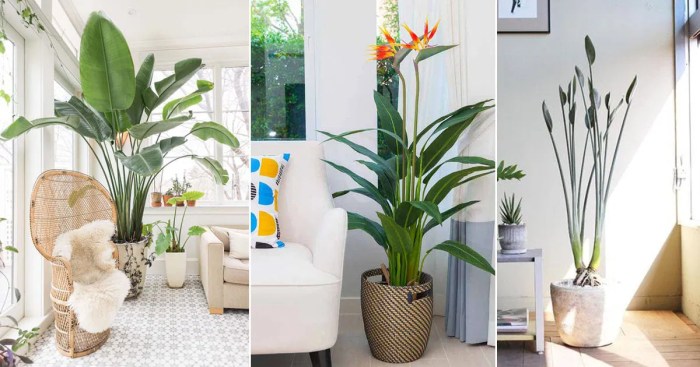
The striking foliage and unique flowers of the Bird of Paradise plant make it a versatile addition to any interior design.
| Setting | Visual Impact Description |
|---|---|
| Modern living room | The plant’s bold, architectural form complements clean lines and minimalist décor, adding a touch of tropical elegance. |
| Sunroom or conservatory | The Bird of Paradise thrives in bright light, creating a focal point in a sun-drenched space, showcasing its lush foliage and vibrant flowers. |
Bird of Paradise Plant Features
The Bird of Paradise plant is known for its distinctive features, making it a captivating addition to any indoor space.
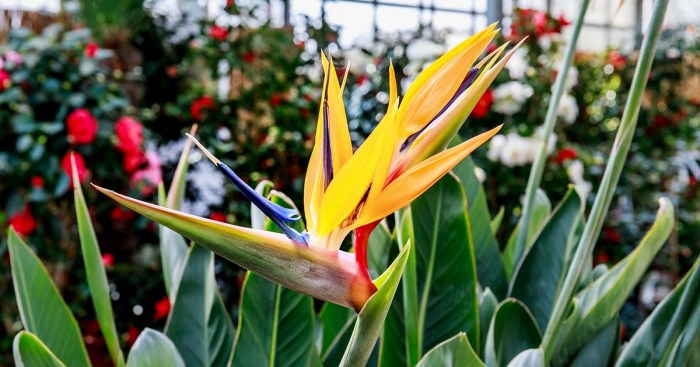
Its large, paddle-shaped leaves are a rich, deep green, often with a slightly glossy texture. The leaves grow in a fan-like arrangement from the base of the plant, creating a visually striking silhouette. The most striking feature, however, is its unique flower.
The flower emerges from a sturdy stalk, composed of vibrant orange and blue bracts that resemble a bird’s head and beak, hence the name. The blooms are long-lasting and add a splash of exotic color to the indoor environment.
Final Conclusion
Bringing the vibrant beauty of a bird of paradise plant indoors is achievable with the right knowledge and care. By understanding its specific needs and addressing potential problems proactively, you can enjoy the striking visual impact of this tropical treasure within your home.
From choosing the perfect location and potting mix to mastering propagation techniques, this guide equips you with the tools to cultivate a healthy and thriving bird of paradise, transforming your indoor space into a lush, exotic haven.
Clarifying Questions: Bird Of Paradise Plant Indoor
How often should I fertilize my indoor bird of paradise?
Feed your bird of paradise every 2-4 weeks during the growing season (spring and summer) with a balanced liquid fertilizer diluted to half strength.
Why are the leaves on my bird of paradise turning brown?
Brown leaf tips often indicate underwatering, while brown patches could be due to sunburn or fluoride toxicity from tap water. Use filtered water and adjust your watering schedule.
Can I use a humidifier for my bird of paradise?
Yes, increasing humidity, especially during dry winter months, is beneficial. You can use a humidifier or place the pot on a tray of pebbles with water.
How big will my indoor bird of paradise get?
Indoor bird of paradise plants grow more slowly than their outdoor counterparts. They can reach heights of several feet, depending on the variety and pot size. Regular repotting encourages growth.