Indoor plant walls are transforming interior spaces, offering a unique blend of aesthetics and environmental benefits. From sleek, minimalist designs in offices to lush, vibrant installations in homes and restaurants, these vertical gardens are becoming increasingly popular. This guide delves into the design, installation, maintenance, and environmental impact of creating your own indoor plant wall, helping you bring the beauty and tranquility of nature indoors.
We’ll explore various plant wall types, suitable plant species, and different irrigation systems. We’ll also cover the practical aspects of installation, including choosing the right materials and tools, and provide essential maintenance tips to ensure the longevity and health of your green wall.
Discover how to create a thriving indoor ecosystem that enhances both the visual appeal and the air quality of your space.
Indoor Plant Walls: A Comprehensive Guide
Indoor plant walls, also known as vertical gardens or green walls, are becoming increasingly popular as a way to bring the beauty and benefits of nature indoors. They offer a unique and stylish way to enhance any interior space, while also providing a range of environmental and psychological benefits.
This guide will explore the design, installation, maintenance, and environmental impact of indoor plant walls, providing you with the information you need to create your own thriving vertical garden.
Defining Indoor Plant Walls
Indoor plant walls are essentially vertical structures designed to support the growth of plants indoors. They come in a variety of styles, materials, and sizes, offering flexibility for diverse interior design schemes.
Several types of indoor plant walls exist, each with its own characteristics:
- Modular Systems:These pre-fabricated systems offer ease of installation and customization. They typically consist of individual panels or modules that can be arranged to create walls of various sizes and shapes.
- Free-Standing Walls:These self-supporting structures can be placed anywhere in a room, providing a flexible and portable option. They are often made from lightweight materials like wood or metal frames.
- Built-in Walls:Integrated directly into the architecture of a building, these walls offer a more permanent and integrated solution. They are typically constructed during the building’s initial construction or as part of a major renovation.
- Living Wall Systems:These sophisticated systems incorporate advanced irrigation and monitoring technology to ensure optimal plant growth and maintenance.
A range of materials are used in constructing indoor plant walls, each with its own advantages and disadvantages:
- Wood:A natural and aesthetically pleasing material, offering warmth and a rustic feel. Requires proper treatment to prevent rot and decay.
- Metal:Durable and long-lasting, metal frames offer a modern and sleek aesthetic. Can be susceptible to rust unless properly coated.
- Plastic:Lightweight and affordable, plastic is a versatile option, but can look less aesthetically pleasing than natural materials.
- Felt:A popular choice for its water-retention capabilities and ability to support plant roots.
The benefits of incorporating indoor plant walls into interior design are numerous:
- Improved Air Quality:Plants filter pollutants and increase oxygen levels.
- Enhanced Aesthetics:They add a touch of nature and visual interest to any space.
- Reduced Stress and Improved Mood:Studies show that exposure to greenery can have a positive impact on mental well-being.
- Noise Reduction:Plants can help absorb sound, creating a quieter environment.
Examples of plant wall designs include:
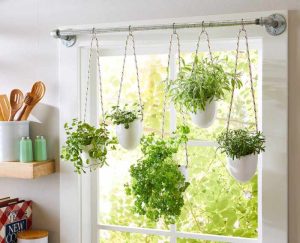
- Small-scale vertical gardensfor apartments or smaller rooms, using compact plants like succulents or herbs.
- Large, statement wallsin spacious living areas, incorporating a variety of textures and plant types for a lush and vibrant display.
- Geometric designsin minimalist offices, featuring strategically placed plants for a clean and modern look.
Plant Selection and Care
Choosing the right plants for your indoor plant wall is crucial for its success. Consider light levels, humidity, and maintenance requirements when selecting species.
Ideal plant species for indoor vertical gardens include:
- Low-light tolerant plants:Snake plants, ZZ plants, pothos.
- High-humidity tolerant plants:Ferns, orchids, peace lilies.
- Drought-tolerant plants:Succulents, cacti, sedum.
Preparing plants for installation involves ensuring they are healthy and well-established. This includes acclimating them to the indoor environment and carefully planting them in the chosen growing medium.
Maintaining the health and longevity of plants in an indoor plant wall requires regular care, including:
- Watering:Consistent watering is crucial, but avoid overwatering, which can lead to root rot.
- Fertilizing:Provide regular fertilization to support healthy growth.
- Pruning:Remove dead or dying leaves and stems to promote air circulation and prevent disease.
Troubleshooting common plant wall problems, such as wilting, pests, and diseases, requires careful observation and prompt action. Identifying the cause of the problem is essential for effective treatment.
Design and Installation, Indoor plant wall
Designing your indoor plant wall involves considering the space, desired aesthetic, and plant selection. Here are three sample layouts:
Design 1: Small Living Room
| Pothos | Spider Plant |
| ZZ Plant | Philodendron |
Design 2: Large Office Space
| Snake Plant | Peace Lily | Monstera | Philodendron |
Design 3: Restaurant Wall
| Trailing Ivy | Air Plants | Begonias | Calathea |
Installing a modular indoor plant wall system typically involves assembling the frame, inserting the planting pockets or felt panels, and then planting the chosen species. Detailed instructions are usually provided by the manufacturer.
Irrigation systems for indoor plant walls vary in complexity and cost. Options include:
- Drip irrigation:Delivers water directly to the roots of the plants.
- Soaker hoses:Provide consistent moisture to the growing medium.
- Manual watering:Requires regular hand-watering, but is the simplest and most affordable option.
Tools and materials needed for constructing an indoor plant wall typically include:
- Measuring tape and level
- Drill and screws
- Planting medium (soil, coco coir, etc.)
- Plants
- Irrigation system components (if applicable)
Environmental Impact and Benefits
Indoor plant walls offer several environmental benefits, including improved air quality and a reduction in the urban heat island effect.
The positive impact on air quality is significant, as plants absorb carbon dioxide and release oxygen. They also filter out various pollutants, contributing to a healthier indoor environment.
The aesthetic and psychological benefits are undeniable. The presence of greenery creates a calming and restorative atmosphere, reducing stress and improving overall well-being.
Indoor plant walls can contribute to sustainable interior design by reducing the need for artificial climate control and improving energy efficiency.
The environmental footprint of different materials and construction methods varies. Sustainable options include using recycled materials and locally sourced plants.
Maintenance and Sustainability
A regular maintenance schedule is essential for a thriving indoor plant wall.
A sample maintenance schedule includes:
- Weekly:Check for wilting, pests, and diseases; water as needed.
- Monthly:Fertilize; prune dead or damaged leaves.
- Quarterly:Inspect the irrigation system; repot plants if necessary.
Proper pruning and propagation techniques help maintain the health and density of the plant wall. Regular pruning encourages bushier growth and prevents overcrowding.
Sustainable practices include composting plant waste, using recycled materials, and selecting low-maintenance plant species.
Extending the lifespan of an indoor plant wall involves regular maintenance, proper plant selection, and addressing problems promptly.
Visual Representation
Imagine a modern living room bathed in soft sunlight. A large, lush indoor plant wall dominates one entire wall, a vibrant tapestry of green tones punctuated by the occasional splash of color from flowering plants. The interplay of light and shadow creates a dynamic visual effect, highlighting the texture of the leaves and the subtle variations in shades of green.
The wall feels alive, a breathing, growing element that softens the sharp lines of the modern furniture.Picture a minimalist office space, clean lines and neutral colors dominating the décor. A sleek, geometric indoor plant wall, constructed from a grid of polished metal, contrasts sharply with the organic forms of the carefully chosen plants.
The plants, primarily succulents and air plants, are arranged in a precise pattern, emphasizing the contrast between the clean lines of the structure and the natural, irregular shapes of the vegetation. The overall effect is one of sophisticated simplicity, a harmonious blend of nature and modern design.Envision a vibrant restaurant setting, buzzing with activity.
A colorful indoor plant wall, a riot of textures and shades of green, serves as a striking focal point. A mix of trailing vines, flowering plants, and ferns create a visually stimulating atmosphere, adding a touch of natural vibrancy to the energetic environment.
The diverse plant species and textures work together to create a lush and dynamic display, enhancing the overall dining experience.
Conclusion

Creating an indoor plant wall is a rewarding project that blends creativity, practicality, and a commitment to sustainability. By carefully considering plant selection, design, and maintenance, you can transform any interior space into a vibrant and healthy environment. Whether you opt for a minimalist design or a lush, overflowing wall, the benefits—aesthetic, environmental, and psychological—are undeniable.
So, embrace the challenge, and let your green thumb flourish!
Popular Questions
How much does an indoor plant wall cost?
Costs vary greatly depending on size, materials, plant choices, and whether you DIY or hire a professional. Expect a range from a few hundred to several thousand dollars.
How much light do indoor plant walls need?
It depends on the plant species. Some thrive in low light, while others need bright, indirect sunlight. Choose plants appropriate for the lighting conditions in your space.
How often should I water an indoor plant wall?
Watering frequency depends on the irrigation system and the plants. Regular monitoring is crucial; overwatering or underwatering can damage the plants. A drip irrigation system generally requires less frequent watering.
Can I build an indoor plant wall myself?
Yes, many modular systems are readily available for DIY installation. However, larger or more complex designs might require professional help.