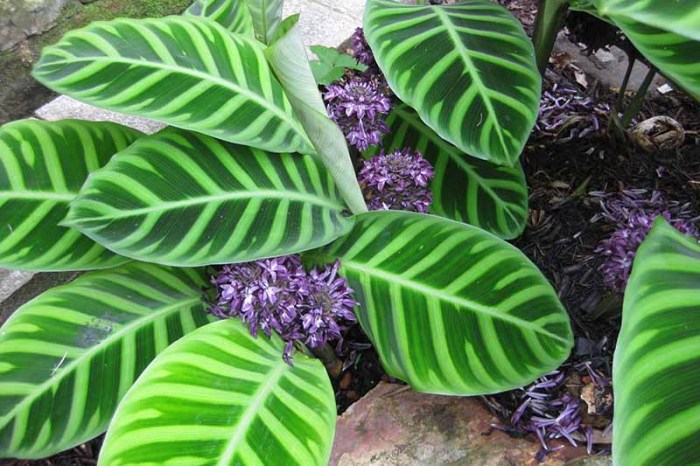
Calathea Zebrina plant care isn’t rocket science, but these striking plants, with their zebra-striped leaves, do demand a bit of understanding. Ignoring their specific needs can lead to unhappy plants, exhibiting droopy leaves or stunted growth. This guide dives into the essentials – light, water, soil, humidity, and more – ensuring your Calathea Zebrina thrives and becomes a vibrant centerpiece in your home.
We’ll cover everything from the ideal light conditions and watering schedule to understanding the signs of stress and tackling common pests. By the end, you’ll be equipped to provide the perfect care, fostering a healthy and beautiful Calathea Zebrina that rewards you with its stunning foliage for years to come.
Calathea Zebrina Light Requirements
Providing your Calathea Zebrina with the right amount of light is crucial for its vibrant health and striking leaf patterns. Too much or too little light can lead to a variety of problems, impacting both its growth and aesthetic appeal.
Understanding its light needs is key to keeping this beautiful plant thriving.
Ideal Light Conditions
Calathea Zebrina thrives in bright, indirect light. Direct sunlight should be avoided at all costs, as it can scorch the delicate leaves, causing unsightly brown patches and potentially hindering growth. Think of the dappled light you might find under the canopy of a large tree – that’s the kind of light your Calathea Zebrina will appreciate.
Effects of Insufficient and Excessive Light
Insufficient light leads to leggy growth, where the plant stretches towards the light source, resulting in weak stems and pale, less vibrant leaves. The characteristic zebra stripes might also fade. Conversely, excessive light will cause leaf burn, manifesting as brown, crispy edges and patches on the leaves.
The plant may also appear wilted or stressed.
Suitable Indoor Locations
East- or west-facing windows are generally ideal, providing ample bright, indirect light without the harshness of direct midday sun. A north-facing window might work in warmer climates, but you may need to supplement with artificial light during winter months.
Avoid placing your Calathea Zebrina near south-facing windows, especially during the hottest parts of the day.
Signs of Light Stress and Adjustments
Signs of light stress include pale leaves, leggy growth, leaf burn (brown patches), and a general lack of vibrancy. If you notice these symptoms, adjust the plant’s location. Move it further from the window or provide some light shade during peak sun hours.
If the leaves are pale, consider moving it closer to a light source, but ensure it remains protected from direct sunlight.
Calathea Zebrina Watering Needs
Watering your Calathea Zebrina correctly is essential for preventing both underwatering and overwatering, both of which can significantly impact its health. The key is to maintain consistently moist, but not soggy, soil.
Watering Frequency
The ideal watering frequency depends on several factors, including the season, the type of pot, and the environment. During warmer months, you may need to water more frequently, perhaps every 2-3 days, while in cooler months, once a week might suffice.
Always check the soil moisture before watering.
Signs of Underwatering and Overwatering
Underwatering causes the leaves to wilt and droop, the soil to become dry and cracked, and the plant to generally look dehydrated. Overwatering, on the other hand, leads to yellowing leaves, root rot (manifesting as a foul odor and mushy roots), and stunted growth.
The soil will remain consistently soggy.
Determining Soil Moisture
Before watering, stick your finger about an inch into the soil. If the soil feels dry to the touch, it’s time to water. Alternatively, you can use a moisture meter to accurately gauge the soil’s moisture content.
Proper Watering Technique
- Gently water the soil until water drains from the drainage holes.
- Allow excess water to drain completely. Never let the plant sit in standing water.
- Discard any excess water collected in the saucer beneath the pot.
- Water again only when the top inch of soil feels dry.
Calathea Zebrina Soil and Potting
The right soil composition is vital for a healthy Calathea Zebrina. Well-draining soil is key to preventing root rot, while a nutrient-rich mix ensures optimal growth.
Ideal Soil Composition
| Component | Percentage | Purpose | Considerations |
|---|---|---|---|
| Potting Mix | 50% | Provides essential nutrients and structure | Choose a high-quality, well-draining potting mix |
| Perlite | 25% | Improves drainage and aeration | Ensures the soil doesn’t become waterlogged |
| Peat Moss | 20% | Retains moisture and provides acidity | Avoid using peat moss if you prefer eco-friendly options |
| Coco Coir (optional) | 5% | Sustainable alternative to peat moss, retains moisture | A good substitute for peat moss |
Importance of Well-Draining Soil
Well-draining soil prevents water from accumulating around the roots, reducing the risk of root rot, a common problem for Calathea Zebrinas. The addition of perlite or other amendments significantly improves drainage.
Suitable Pot Types and Sizes
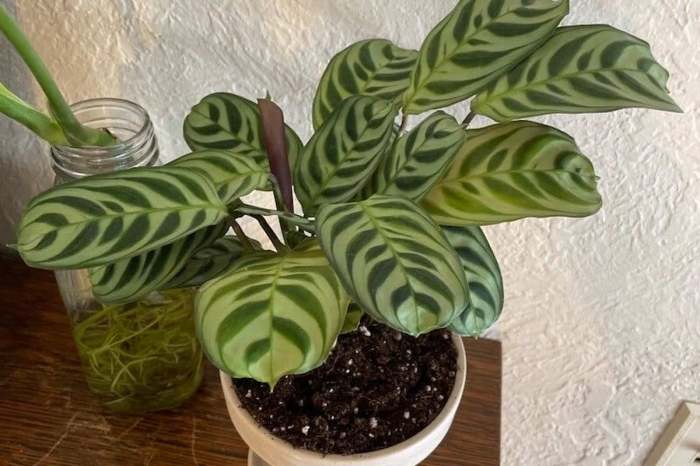
Terracotta pots are generally preferred for their breathability, which helps to prevent overwatering. Choose a pot that’s only slightly larger than the plant’s root ball, allowing for some room for growth but avoiding excessive space that could lead to overwatering.
Repotting a Calathea Zebrina
Repotting is typically done in spring or early summer, when the plant is actively growing. Gently remove the plant from its current pot, carefully loosen any tangled roots, and place it in a slightly larger pot with fresh potting mix.
Water thoroughly after repotting.
Calathea Zebrina Humidity and Temperature
Calathea Zebrina thrives in humid environments and prefers consistent temperatures. Fluctuations in either humidity or temperature can negatively impact its health and appearance.
Ideal Humidity and Temperature
The ideal humidity level is around 50-70%, while the ideal temperature range is between 65-80°F (18-27°C). Maintaining these conditions is crucial for optimal growth and prevents leaf curling, browning, and other stress symptoms.
Effects of Low Humidity and High Temperatures
Low humidity leads to dry, crispy leaf edges and overall wilting. High temperatures can exacerbate the effects of low humidity and stress the plant, leading to more severe leaf damage. Conversely, consistently low temperatures can stunt growth.
Methods for Increasing Humidity
- Grouping Plants:Clustering plants together increases the ambient humidity.
- Humidity Tray:Place the pot on a tray filled with pebbles and water, ensuring the pot’s base doesn’t sit directly in the water.
- Room Humidifier:A humidifier is the most effective method for maintaining consistent humidity levels.
- Regular Misting:Misting the leaves with water can provide temporary humidity relief, but it needs frequent repetition.
Maintaining Consistent Temperature and Humidity
Consistency is key. Avoid placing the plant near drafts, heating vents, or air conditioning units. Regularly monitor humidity and temperature levels and adjust accordingly using the methods described above. Consider using a thermometer and hygrometer to track these parameters.
Calathea Zebrina Fertilization and Nutrition
Proper fertilization provides essential nutrients for healthy growth and vibrant leaf coloration. However, over-fertilizing can be just as detrimental as under-fertilizing.
Fertilization Schedule
Fertilize your Calathea Zebrina during its active growing season (spring and summer) with a balanced liquid fertilizer diluted to half strength, approximately every 2-4 weeks. Reduce or cease fertilization during the dormant period (fall and winter).
Signs of Nutrient Deficiencies
Nutrient deficiencies manifest in various ways, including yellowing leaves, stunted growth, and pale coloration. If you suspect a nutrient deficiency, conduct a soil test to determine which nutrients are lacking and amend accordingly.
Types of Fertilizers
Balanced liquid fertilizers are ideal for Calathea Zebrinas. Avoid fertilizers high in nitrogen, as this can lead to excessive leaf growth at the expense of root development. Organic fertilizers are a good eco-friendly alternative.
Importance of Balanced Nutrition
Balanced nutrition ensures healthy growth, vibrant leaf coloration, and overall plant vigor. Providing the right balance of macronutrients (nitrogen, phosphorus, potassium) and micronutrients is essential for a thriving Calathea Zebrina.
Calathea Zebrina Propagation
Propagating your Calathea Zebrina allows you to expand your collection or share this beautiful plant with others. Division and stem cuttings are two common methods.
Propagation by Division
- Gently remove the plant from its pot, revealing a network of interconnected rhizomes. The rhizomes appear thick and fleshy, a pale cream color, with visible nodes from which new shoots emerge.
- Carefully separate the rhizomes, ensuring each section has several healthy shoots and roots. Use a sharp, clean knife or shears to make clean cuts.
- Plant each division in its own pot with fresh, well-draining potting mix. Water thoroughly and keep the soil consistently moist.
- Place the newly potted divisions in a warm, humid location with bright, indirect light.
Propagation from Stem Cuttings
This method is less reliable than division but can still be successful. Take stem cuttings with several leaves, remove the lower leaves, and dip the cut end in rooting hormone. Plant in a moist propagation mix and cover with a plastic bag to maintain humidity.
Comparison of Propagation Methods, Calathea zebrina plant care
Division generally offers higher success rates than stem cuttings, as it involves established roots and rhizomes. Stem cuttings require more patience and care, and the success rate can be variable depending on several factors.
Calathea Zebrina Pests and Diseases
Calathea Zebrinas are relatively hardy, but they can still be susceptible to certain pests and diseases. Early detection and prompt treatment are crucial for preventing serious problems.
Common Pests and Diseases
Common pests include spider mites, mealybugs, and aphids. These pests typically suck sap from the leaves, causing discoloration and wilting. Diseases are less common but can include root rot (caused by overwatering) and fungal leaf spots.
Preventing and Treating Pests and Diseases
- Regular Inspection:Regularly inspect your plant for signs of pests or diseases.
- Pest Control:Use insecticidal soap or neem oil to treat infestations. For severe infestations, consider using a systemic insecticide.
- Disease Control:Improve drainage to prevent root rot. Remove and destroy affected leaves to prevent the spread of fungal diseases.
- Preventative Measures:Maintain proper watering, humidity, and temperature levels to promote a healthy plant.
Organic and Chemical Control Options
Insecticidal soap and neem oil are effective organic options for pest control. Chemical insecticides should be used as a last resort and only according to label instructions. For fungal diseases, fungicides may be necessary, but ensure proper ventilation to prevent future issues.
Ultimate Conclusion: Calathea Zebrina Plant Care
Mastering Calathea Zebrina care is a journey, not a race. By paying attention to the details – the right light, consistent moisture, and appropriate humidity – you’ll unlock the full potential of this captivating plant. Remember, patience and observation are key.
With a little effort, your Calathea Zebrina will flourish, enriching your space with its unique beauty and rewarding your dedication with vibrant, healthy growth.
FAQ Section
What should I do if my Calathea Zebrina’s leaves are curling?
Curling leaves often indicate underwatering or low humidity. Check the soil moisture and increase humidity levels around the plant.
Why are the leaves of my Calathea Zebrina turning brown at the tips?
Brown leaf tips are usually caused by low humidity, fluoride in your water, or over-fertilization. Try increasing humidity, using filtered water, and reducing fertilizer application.
How often should I fertilize my Calathea Zebrina?
Fertilize every 2-4 weeks during the growing season (spring and summer) with a balanced, diluted liquid fertilizer. Reduce or stop fertilizing during winter.
My Calathea Zebrina is drooping. What’s wrong?
Drooping can be caused by underwatering, overwatering, or changes in light or temperature. Check the soil moisture, adjust the environment, and rule out pests or diseases.