Calathea peacock plant care isn’t as daunting as it might seem. These striking plants, with their iridescent, peacock-like leaves, add a touch of the exotic to any home. Understanding their light, water, and humidity needs is key to keeping them thriving.
This guide provides a practical, straightforward approach to ensuring your Calathea peacock flourishes, offering insights into everything from soil selection to pest control.
Originating from the rainforests of South America, these plants crave conditions that mimic their natural habitat. Their popularity stems from their captivating foliage, which displays stunning patterns that shift throughout the day. Proper care rewards you with a healthy, vibrant plant that will be a focal point in your space for years to come.
Calathea Peacock Plant Care
The Calathea peacock plant, with its stunning iridescent leaves, is a highly sought-after houseplant. Its captivating beauty and relatively manageable care requirements make it a popular choice for plant enthusiasts of all levels. This guide will delve into the specifics of providing optimal care for your Calathea peacock, ensuring its vibrant health and longevity.
Calathea Peacock Plant Introduction
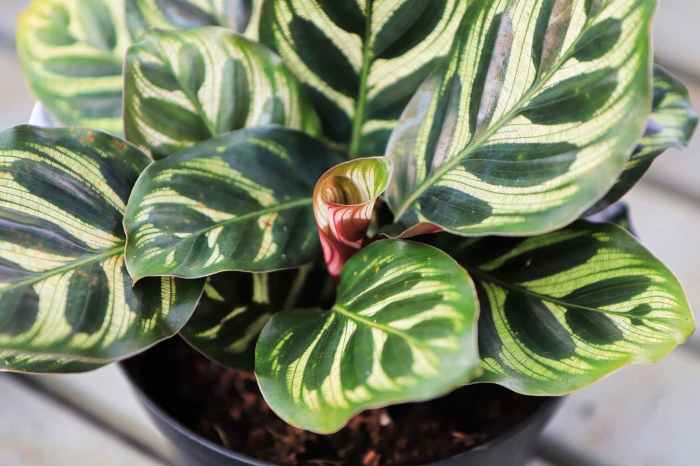
The Calathea peacock plant ( Calathea makoyana) is native to the tropical rainforests of Brazil. Its striking leaves are oval-shaped, displaying a deep green upper surface adorned with striking feather-like patterns in lighter shades of green. The undersides of the leaves are a rich purple.
This unique leaf coloration and pattern are what give the plant its common name. Its popularity stems from its visual appeal and the relatively manageable care requirements, making it a rewarding addition to any indoor space.
Light Requirements for Calathea Peacock Plants
Calathea peacock plants thrive in bright, indirect light. Direct sunlight can scorch their delicate leaves, resulting in unsightly brown patches. Conversely, insufficient light leads to leggy growth and a loss of the vibrant leaf coloration. To determine the right light level, observe your plant; if the leaves are drooping or losing their color, it may need more light.
If the leaves are browning, it may need less. A north- or east-facing window is usually ideal.
| Light Source | Pros | Cons | Suitability |
|---|---|---|---|
| Indirect Sunlight (East/North Facing Window) | Provides consistent, gentle light | May require supplemental light in winter | Excellent |
| Filtered Sunlight (West/South Facing Window with Sheer Curtain) | Good light intensity, avoids harsh direct rays | Requires careful monitoring to prevent scorching | Good with careful management |
| Artificial Light (Grow Lights) | Provides consistent light, useful in low-light environments | Requires specific light spectrum and timing | Suitable as supplemental light or in low-light locations |
| Direct Sunlight | High light intensity | High risk of leaf burn | Unsuitable |
Watering Calathea Peacock Plants
Proper watering is crucial for the health of your Calathea peacock plant. Underwatering leads to wilting and dry soil, while overwatering causes root rot and yellowing leaves. Allow the top inch or two of soil to dry out between waterings.
Water thoroughly until water drains from the drainage holes, then discard excess water from the saucer.
- Water when the top inch of soil is dry.
- Use lukewarm water, avoiding cold water.
- Avoid getting water on the leaves, as this can lead to fungal diseases.
- Check soil moisture regularly using your finger or a moisture meter.
- Adjust watering frequency based on the season and environmental conditions.
Soil and Potting for Calathea Peacock Plants
Well-draining soil is essential for preventing root rot. A peat-based potting mix amended with perlite or orchid bark provides excellent drainage and aeration. Repotting should be done every 1-2 years, or when the plant becomes root-bound. Choose a pot that is only slightly larger than the previous one, to avoid overwatering.
Terracotta pots are a good choice as they allow for better air circulation.
Temperature and Humidity for Calathea Peacock Plants
Calathea peacock plants thrive in warm temperatures between 65-80°F (18-27°C). They also require high humidity, ideally above 60%. To increase humidity, you can group plants together, use a humidifier, or place the pot on a pebble tray filled with water.
During winter months, when heating systems reduce humidity, extra measures may be needed. Consider increasing the frequency of misting or using a humidifier. In summer, ensure good air circulation to prevent fungal diseases.
Fertilizing and Nutrition for Calathea Peacock Plants
Regular fertilization provides essential nutrients for healthy growth. Use a balanced liquid fertilizer diluted to half strength every 2-4 weeks during the growing season (spring and summer). Reduce fertilization frequency during the fall and winter months. Signs of nutrient deficiency include yellowing leaves or stunted growth.
Common Pests and Diseases of Calathea Peacock Plants
Common pests include spider mites, mealybugs, and aphids. Diseases are less common but can include root rot and leaf spot. Regularly inspect your plant for signs of infestation or disease. Treat infestations promptly with insecticidal soap or neem oil.
| Problem | Cause | Solution |
|---|---|---|
| Leaf browning | Overwatering, underwatering, direct sunlight | Adjust watering, provide filtered light |
| Yellowing leaves | Overwatering, nutrient deficiency | Adjust watering, fertilize |
| Pest infestation (spider mites, mealybugs) | Infestation | Treat with insecticidal soap or neem oil |
Propagation Methods for Calathea Peacock Plants, Calathea peacock plant care
Calathea peacock plants can be propagated through division during repotting. Carefully separate the rhizomes, ensuring each division has healthy roots and leaves. Stem cuttings are less reliable.
Troubleshooting Common Problems with Calathea Peacock Plants
- Leaf Browning:Often caused by direct sunlight, underwatering, or overwatering. Adjust watering and light levels accordingly.
- Drooping Leaves:Usually indicates underwatering or insufficient humidity. Water thoroughly and increase humidity.
- Yellowing Leaves:Can be due to overwatering, nutrient deficiency, or root rot. Check soil moisture, fertilize, and repot if necessary.
- Leggy Growth:Usually a sign of insufficient light. Move the plant to a brighter location.
Visual Guide to Healthy Calathea Peacock Plants
A healthy Calathea peacock plant boasts vibrant, deep green leaves with distinct lighter green feather-like markings on the upper surface and rich purple undersides. Leaves are firm and upright, not drooping or wilting. Stress signs include leaf discoloration (browning or yellowing), wilting, and overall lack of vigor.
The ideal plant will exhibit consistent, healthy growth with new leaves emerging regularly.
Ultimate Conclusion
Mastering Calathea peacock plant care unlocks the potential for a truly captivating houseplant. By paying attention to light, watering, humidity, and nutrition, you can cultivate a thriving plant that showcases its unique beauty. Remember, consistent care and observation are your best tools.
With a little attention, your Calathea peacock will reward you with vibrant foliage and a touch of tropical elegance in your home.
Questions and Answers: Calathea Peacock Plant Care
How often should I mist my Calathea peacock?
Misting is beneficial, especially in dry environments. Aim for 1-2 times a week, but avoid over-misting, which can lead to fungal issues.
What should I do if my Calathea peacock’s leaves are curling?
Curling leaves often indicate underwatering or low humidity. Check the soil moisture and increase humidity levels.
Can I use tap water for my Calathea peacock?
It’s best to use filtered or distilled water, as tap water can contain minerals that harm the plant.
My Calathea peacock has brown leaf tips. What’s wrong?
Brown tips are usually caused by low humidity, infrequent watering, or fluoride in tap water. Address these factors to improve plant health.