Calathea rattlesnake plant benefits extend far beyond its striking appearance. This captivating plant, with its uniquely patterned leaves, offers a surprising array of advantages, from improving indoor air quality to boosting your mood. We’ll explore its air purification properties, aesthetic appeal, and the surprisingly simple care required to keep this beauty thriving in your home.
Discover why the Calathea rattlesnake plant is more than just a pretty face; it’s a valuable addition to any living space.
From its vibrant leaf patterns resembling a snake’s scales to its subtle, almost hypnotic, daily movements, the Calathea rattlesnake plant is a fascinating specimen. This guide will delve into the specifics of its care, its contribution to a healthier home environment, and the positive impact it can have on your wellbeing.
Calathea Rattlesnake Plant: Benefits and Care: Calathea Rattlesnake Plant Benefits
The Calathea rattlesnake plant, with its striking leaf patterns and captivating “praying” movements, is more than just a beautiful addition to your home. This guide delves into the various benefits of this popular houseplant, from its air-purifying qualities to its positive impact on mood and well-being, along with comprehensive care instructions to ensure its thriving growth.
Calathea Rattlesnake Plant Profile, Calathea rattlesnake plant benefits
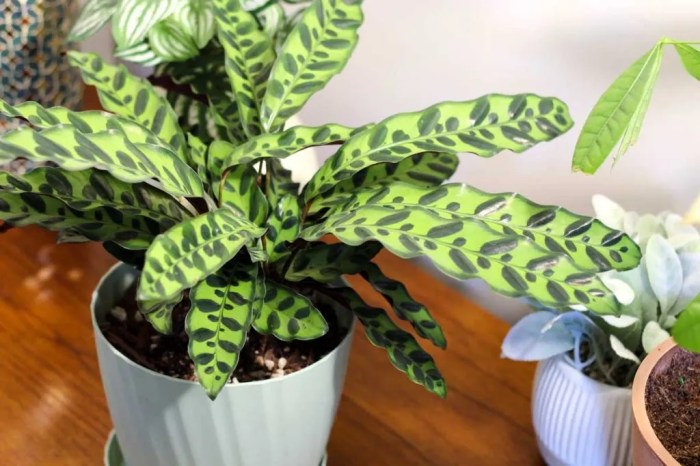
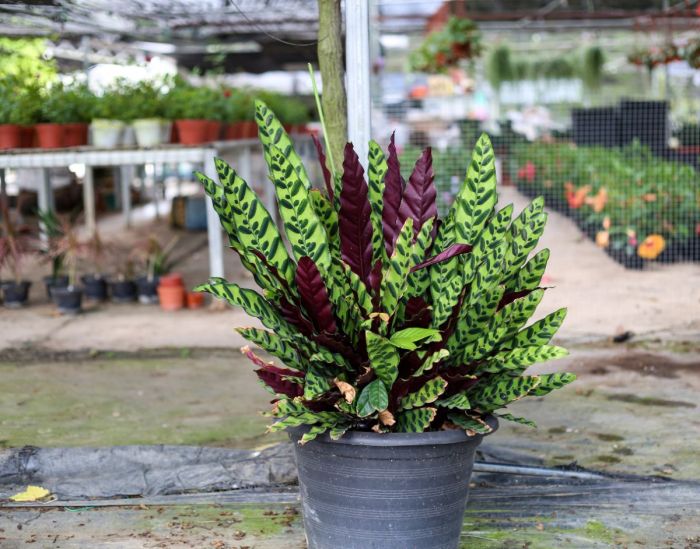
The Calathea lancifolia, commonly known as the rattlesnake plant, is a member of the Marantaceae family, renowned for its striking foliage. Its leaves are long and lanceolate, exhibiting a distinctive pattern of dark green oval shapes along a lighter green background, resembling a rattlesnake’s markings.
These leaves typically grow to be 6-12 inches long and 2-3 inches wide. The plant itself grows to a height of around 1-2 feet. Its growth habit is clumping, with new shoots emerging from the base. It thrives in humid environments, mimicking its native habitat in the rainforests of Brazil.
| Characteristic | Calathea Rattlesnake | Calathea Orbifolia | Calathea Medallion | Calathea Zebrina |
|---|---|---|---|---|
| Leaf Shape | Lanceolate, elongated | Large, round | Oval, broad | Elliptical, long |
| Leaf Pattern | Dark green ovals on lighter green | Striking silver-green stripes | Dark green and lighter green concentric circles | Dark green stripes on lighter green |
| Leaf Size | 6-12″ long, 2-3″ wide | 12-18″ long, 6-10″ wide | 6-8″ long, 4-6″ wide | 8-12″ long, 3-5″ wide |
| Growth Habit | Clumping | Clumping | Clumping | Clumping |
The rattlesnake plant thrives in bright, indirect light and consistently moist, well-draining soil. High humidity is crucial for its health; a humid environment mimics its natural rainforest habitat. Propagation is relatively straightforward:
- Division:During repotting, carefully divide the root ball, ensuring each section has several healthy stems and roots. Plant each section in its own pot.
- Cuttings:Take stem cuttings with several nodes (leaf joints). Root these cuttings in water or moist potting mix. Maintain high humidity and warmth until roots develop.
Air Purification Capabilities of the Calathea Rattlesnake Plant
While definitive scientific studies specifically on the Calathea rattlesnake plant’s air purification abilities are limited, research on other Calathea species and houseplants in general suggests a positive impact on indoor air quality. Like many houseplants, it is believed to contribute to air purification through the process of transpiration, releasing moisture into the air and potentially absorbing some pollutants.
| Plant Name | Air Purifying Compounds | Effectiveness (Relative) |
|---|---|---|
| Calathea Rattlesnake (estimated) | Likely contributes to humidity and potentially absorbs VOCs | Moderate |
| Spider Plant | Various VOCs | High |
| Snake Plant | Carbon dioxide, formaldehyde | High |
The specific compounds released by the Calathea rattlesnake plant contributing to air purification are not fully documented. However, like other plants, it likely contributes to increased humidity and may absorb volatile organic compounds (VOCs) present in the air to a certain extent.
Aesthetic and Psychological Benefits
The Calathea rattlesnake plant’s unique leaf patterns and vibrant green hues add a touch of the exotic to any interior space. Its striking appearance complements a variety of design styles, from modern minimalist settings to more traditional or bohemian interiors.
The plant’s movement, as its leaves fold and unfold throughout the day, adds a dynamic and captivating element.
Studies have shown that houseplants can reduce stress levels and improve mood. The Calathea rattlesnake plant, with its visual appeal and calming presence, contributes to this effect. The act of caring for the plant itself can be therapeutic, fostering a sense of connection and responsibility.
Imagine the rhythmic unfolding of the rattlesnake plant’s leaves, a gentle dance of vibrant green against the soft light filtering through a nearby window. The deep, rich hues of the foliage create a sense of tranquility, while the intricate patterns captivate the eye, drawing focus and calming the mind.
Its presence brings a touch of the rainforest into the home, a vibrant reminder of nature’s quiet beauty.
Calathea Rattlesnake Plant Care and Maintenance
Providing optimal care for your Calathea rattlesnake plant ensures its health and vibrant growth. Following these guidelines will help maintain its beauty and longevity:
- Watering:Water thoroughly when the top inch of soil feels dry. Avoid overwatering, which can lead to root rot.
- Light:Bright, indirect light is ideal. Avoid direct sunlight, which can scorch the leaves.
- Humidity:High humidity is crucial. Use a humidifier, pebble tray, or group plants together to increase humidity.
- Soil:Well-draining potting mix is essential. A mix of peat moss, perlite, and orchid bark works well.
Common problems and their solutions:
| Problem | Solution |
|---|---|
| Wilting leaves | Check for underwatering or overwatering. Adjust watering accordingly and ensure proper drainage. |
| Brown leaf tips | Increase humidity. This often indicates low humidity. |
| Pest infestation (e.g., spider mites) | Inspect leaves regularly. Treat infestations with insecticidal soap or neem oil. |
| Leaf discoloration | Check for light issues. Too much direct sun can cause bleaching, while insufficient light can cause pale leaves. |
Illustrative Description of the Calathea Rattlesnake Plant
The leaves of the Calathea rattlesnake plant are a study in contrasts. Their smooth, almost velvety texture is immediately noticeable. The deep, emerald green of the oval markings stands out sharply against the lighter, almost lime-green background, creating a striking visual effect.
These dark ovals, reminiscent of a rattlesnake’s pattern, are elongated and slightly irregular, adding to the plant’s unique charm. The leaves are lanceolate, tapering to a point, and grow in a dense, upward-arching pattern.
The plant’s overall form is a dense clump of leaves, gradually increasing in size as it matures. Young plants are compact, while mature plants can reach a respectable height and spread. The most captivating aspect of the Calathea rattlesnake plant is its nyctinastic movement – its leaves gracefully fold upward in the evening, resembling praying hands, and unfurl again during the day, a mesmerizing display of nature’s subtle rhythms.
Last Point
The Calathea rattlesnake plant isn’t just a visually stunning addition to your home; it’s a hardworking, mood-boosting, air-purifying powerhouse. With its relatively low-maintenance care requirements and significant benefits, it’s an excellent choice for plant enthusiasts of all levels. So, embrace the beauty and the benefits – bring a Calathea rattlesnake plant into your life and enjoy the positive transformation.
FAQ Corner
What’s the best way to water a Calathea rattlesnake plant?
Water thoroughly when the top inch of soil is dry, avoiding overwatering which can lead to root rot. Allow excess water to drain completely.
How much sunlight does a Calathea rattlesnake plant need?
Bright, indirect light is ideal. Avoid direct sunlight which can scorch the leaves.
Why are my Calathea’s leaves curling?
Curling leaves often indicate underwatering, low humidity, or temperature fluctuations. Check soil moisture, increase humidity (e.g., with a humidifier or pebble tray), and ensure consistent temperatures.
What are common pests that affect Calathea rattlesnake plants?
Spider mites and mealybugs are common. Regularly inspect your plant and use insecticidal soap or neem oil to treat infestations.