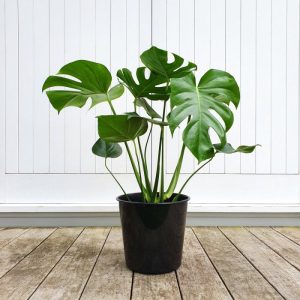
Indoor plant fertilizer is crucial for thriving houseplants. This guide dives into the world of plant nutrition, covering everything from choosing the right fertilizer to mastering application techniques. We’ll explore different fertilizer types – organic, inorganic, slow-release – detailing their nutrient compositions and suitability for various plants.
Understanding your plant’s needs and the best fertilization methods will dramatically improve their health and growth.
We’ll also tackle common problems like fertilizer burn and nutrient deficiencies, providing practical solutions to keep your indoor jungle lush and vibrant. Whether you’re a seasoned plant parent or a budding green thumb, this guide will equip you with the knowledge to nurture your indoor plants to their full potential.
Indoor Plant Fertilizers: A Comprehensive Guide
Keeping your indoor plants thriving requires more than just water and sunlight. Providing the right nutrients through fertilization is crucial for healthy growth and vibrant blooms. This guide delves into the world of indoor plant fertilizers, covering everything from choosing the right type to mastering application techniques and troubleshooting common problems.
Types of Indoor Plant Fertilizers
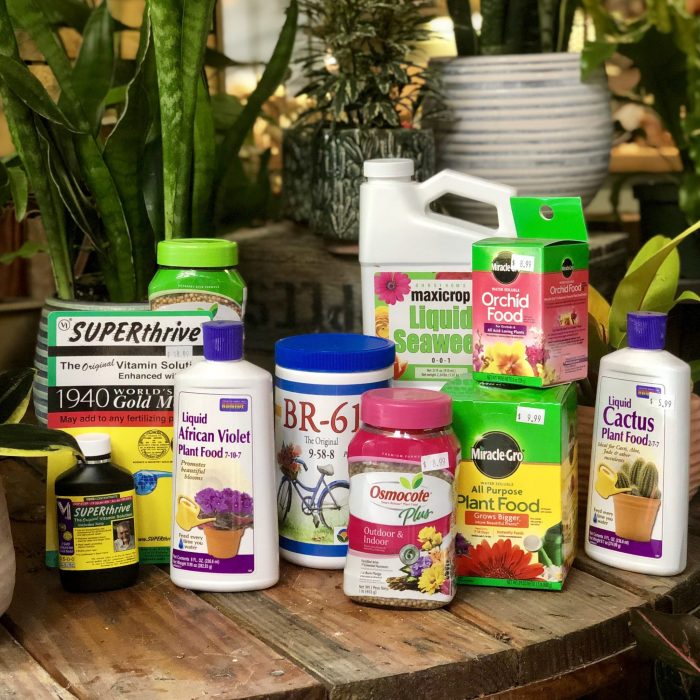
Indoor plant fertilizers come in various forms, each with its own composition, nutrient profile, and application method. Understanding these differences is key to selecting the best fertilizer for your specific needs.
| Fertilizer Type | Nutrient Composition | Plant Suitability | Pros/Cons |
|---|---|---|---|
| Organic (e.g., compost, worm castings) | Variable, but generally rich in organic matter and micronutrients. N-P-K ratios vary widely. | Most indoor plants, especially those preferring slightly acidic soil. | Pros: Slow-release, improves soil structure, environmentally friendly. Cons: Nutrient release can be inconsistent, may require more frequent application than inorganic fertilizers. |
| Inorganic (e.g., water-soluble salts) | Specific N-P-K ratios, often supplemented with micronutrients. | Most indoor plants, but specific ratios should be chosen based on plant needs. | Pros: Quick nutrient release, readily available nutrients. Cons: Can lead to salt buildup if overused, less environmentally friendly than organic options. |
| Slow-Release (e.g., coated granules) | Contains nutrients encapsulated in a coating that gradually dissolves, releasing nutrients over time. N-P-K ratios vary. | Most indoor plants, convenient for busy schedules. | Pros: Less frequent application, consistent nutrient release. Cons: Can be more expensive than other options, nutrient release rate may not perfectly match plant needs. |
Choosing the Right Fertilizer
Selecting the appropriate fertilizer involves considering several key factors to ensure optimal plant health and avoid potential problems.
Factors such as plant type (flowering, foliage, succulent, etc.), growth stage (seedling, vegetative, flowering), soil type (pH level, drainage), and pot size all influence fertilizer choice and application. For example, flowering plants generally require a higher phosphorus content (the middle number in the N-P-K ratio) to promote blooming, while foliage plants benefit from a higher nitrogen content (the first number) for lush leaf growth.
Determining the correct concentration and application frequency is crucial. Over-fertilization can lead to “fertilizer burn,” while under-fertilization can result in nutrient deficiencies. Always follow the manufacturer’s instructions, adjusting based on your plant’s specific needs and the type of fertilizer used.
Start with a weaker solution than recommended and gradually increase the concentration as needed.
Application Methods and Techniques
Several methods exist for applying indoor plant fertilizers, each with its own set of advantages and disadvantages. Choosing the right method depends on the type of fertilizer and your plant’s specific needs.
- Watering:Liquid fertilizers are diluted with water and applied directly to the soil during regular watering. This is a common and generally effective method for most fertilizers.
- Foliar Feeding:Liquid fertilizers are sprayed directly onto the leaves. This method is useful for quickly delivering nutrients to plants that are showing signs of deficiency, but should be done in the morning to avoid fungal growth.
- Top Dressing:Granular fertilizers are sprinkled on top of the soil. This method is particularly suitable for slow-release fertilizers and allows for gradual nutrient release.
When mixing liquid fertilizers, always follow the manufacturer’s instructions carefully. Use clean water and a clean container to avoid contamination. For granular fertilizers, gently work the granules into the top layer of soil after application to ensure proper contact with the roots.
Potential Problems and Solutions
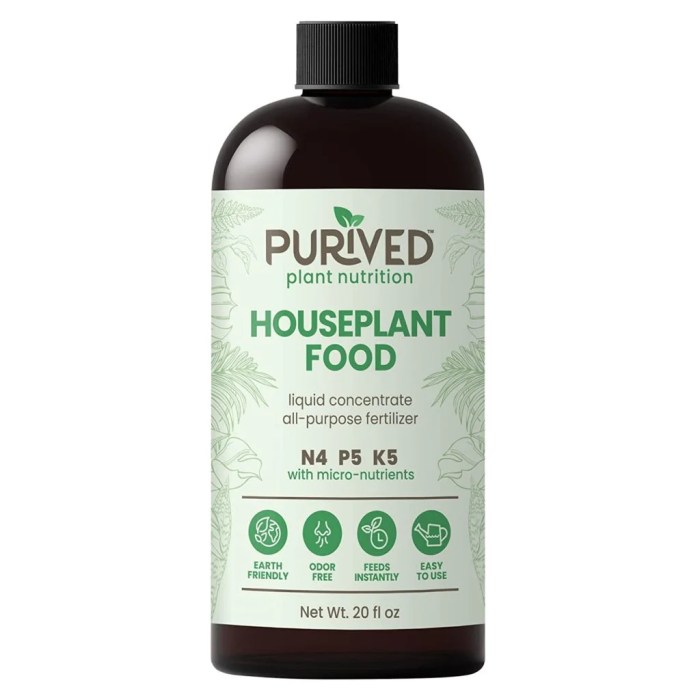
Improper fertilizer use can lead to several problems, including fertilizer burn, nutrient deficiencies, and salt buildup. Recognizing the symptoms and implementing corrective measures is essential for maintaining healthy plants.
- Fertilizer Burn:Symptoms include wilting, leaf browning, and tip burn. Solution: Flush the soil with copious amounts of water to leach out excess salts. Reduce fertilizer concentration or frequency in future applications.
- Nutrient Deficiencies:Symptoms vary depending on the deficient nutrient. For example, nitrogen deficiency can cause yellowing leaves, while phosphorus deficiency can lead to stunted growth. Solution: Apply a fertilizer that contains the missing nutrient(s). Soil testing can help identify specific deficiencies.
- Salt Buildup:Symptoms include white crust on the soil surface and stunted growth. Solution: Flush the soil with water to remove excess salts. Use less fertilizer or choose a slow-release option.
Proper soil drainage and aeration are crucial for preventing fertilizer-related problems. Well-draining soil allows excess water and salts to escape, preventing buildup and root damage.
Organic vs. Inorganic Fertilizers
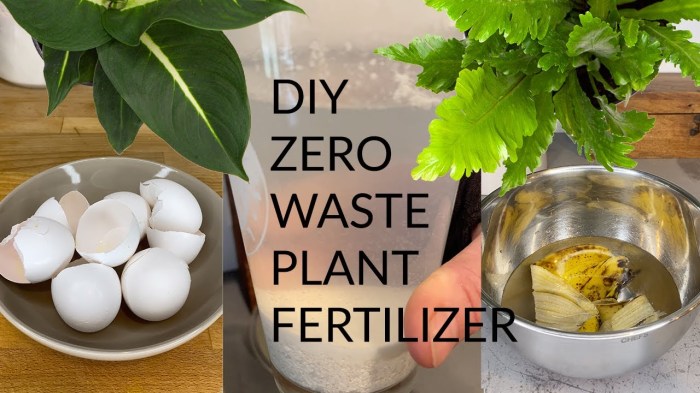
Both organic and inorganic fertilizers offer benefits and drawbacks for indoor plants. The best choice depends on your priorities and gardening philosophy.
Organic fertilizers, such as compost and worm castings, improve soil structure and provide slow-release nutrients. They are environmentally friendly but can be less predictable in their nutrient release. Inorganic fertilizers, such as water-soluble salts, provide readily available nutrients but can lead to salt buildup if overused and are less environmentally friendly in their production.
Fertilizing Specific Plant Types, Indoor plant fertilizer
Different types of indoor plants have varying nutrient requirements and responses to fertilization. Tailoring your approach to each plant type is crucial for optimal growth.
| Plant Type | Fertilizer Recommendation | Application Frequency | Potential Problems |
|---|---|---|---|
| Flowering Plants | Balanced fertilizer with higher phosphorus (e.g., 10-20-10) | Every 2-4 weeks during the flowering season | Nutrient deficiencies leading to fewer blooms, fertilizer burn |
| Foliage Plants | Balanced fertilizer with higher nitrogen (e.g., 20-10-10) | Every 2-4 weeks during active growth | Nutrient deficiencies leading to pale leaves, fertilizer burn |
| Succulents & Cacti | Low-nitrogen, slow-release fertilizer | Once or twice during the growing season | Root rot from overwatering and over-fertilizing |
Ultimate Conclusion
Mastering the art of indoor plant fertilization is a rewarding journey. By understanding the nuances of different fertilizer types, application methods, and potential pitfalls, you can cultivate a thriving indoor garden. Remember, observation is key – pay attention to your plants’ signals and adjust your fertilization strategy accordingly.
With a little knowledge and care, your indoor plants will flourish, bringing beauty and tranquility to your home.
Quick FAQs
Can I over-fertilize my indoor plants?
Yes, over-fertilizing is a common problem. It can lead to fertilizer burn, damaging roots and leaves. Always follow the instructions on the fertilizer packaging.
How often should I fertilize my indoor plants?
Fertilizing frequency depends on the plant type, growth stage, and fertilizer type. Generally, during the growing season (spring and summer), fertilize every 2-4 weeks. Reduce or stop fertilizing during dormancy (fall and winter).
What should I do if I suspect my plants have nutrient deficiencies?
Observe your plants for symptoms like yellowing leaves, stunted growth, or discoloration. A soil test can help identify specific deficiencies. Amend your fertilization strategy accordingly, potentially using a balanced fertilizer or a supplement targeting the deficient nutrient.
What’s the difference between liquid and granular fertilizers?
Liquid fertilizers are readily available to plants, providing a quick boost. Granular fertilizers release nutrients more slowly, requiring less frequent applications. Choose the type that best suits your needs and plant type.