Olive tree indoor plant cultivation offers a unique challenge and reward. Bringing the Mediterranean’s iconic tree into your home requires understanding its specific needs, from light and temperature to watering and fertilization. This guide dives deep into the art of successfully growing an olive tree indoors, covering everything from propagation and repotting to troubleshooting common problems and maximizing its aesthetic appeal within your interior design.
We’ll explore the various olive tree varieties suitable for indoor environments, detailing their individual care requirements and growth habits. Learn practical techniques for propagation, pruning, and encouraging flowering and even fruiting. We’ll also address common issues like pest infestations and nutrient deficiencies, providing solutions to keep your indoor olive tree thriving.
Olive Tree Indoor Plant Care
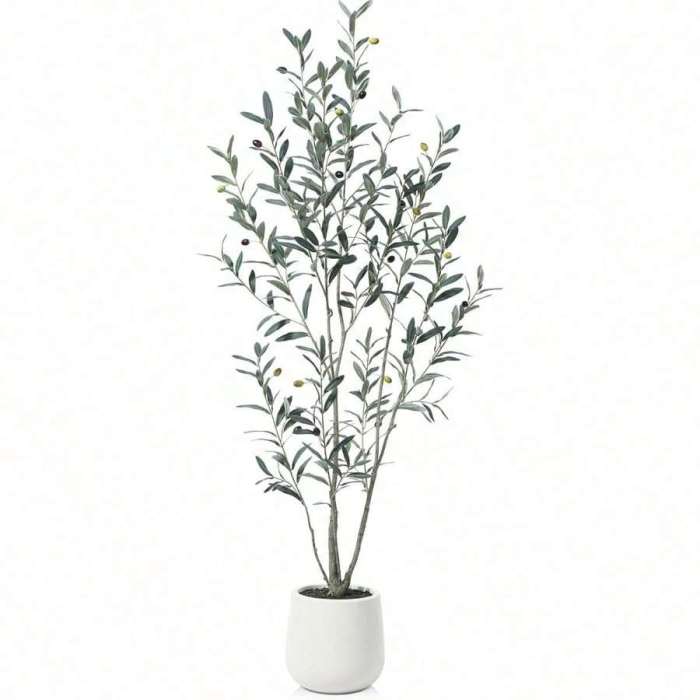
Bringing the Mediterranean charm of an olive tree indoors is achievable with the right care. These resilient trees, known for their longevity and beauty, can thrive in a home environment given the appropriate conditions. This section details the key aspects of successful indoor olive tree cultivation.
Ideal Indoor Environment for Olive Trees
Olive trees, originating from sunny Mediterranean climates, require ample sunlight, moderate temperatures, and low humidity to flourish indoors. They need at least six hours of direct sunlight daily, ideally from a south-facing window. Temperatures should ideally range between 65-75°F (18-24°C) during the day and slightly cooler at night.
Avoid placing them near drafts or heating vents. While they tolerate low humidity, occasional misting can be beneficial, especially during drier months.
Optimal Soil and Potting Mix
Well-draining soil is crucial for olive trees to prevent root rot. A potting mix consisting of equal parts potting soil, perlite, and coarse sand provides excellent drainage and aeration. Avoid heavy clay soils that retain too much moisture.
Watering Schedule for Indoor Olive Trees
Watering should be infrequent but thorough. Allow the top inch or two of soil to dry out completely between waterings. During the growing season (spring and summer), watering may be needed more frequently, while in winter, watering can be reduced significantly.
The size of the pot also influences watering needs; larger pots retain moisture longer.
Fertilizing Indoor Olive Trees
Feed your olive tree with a balanced, slow-release fertilizer during the growing season (spring and summer). Follow the instructions on the fertilizer packaging carefully, as over-fertilizing can harm the tree. Reduce or cease fertilization during the dormant period (autumn and winter).
Common Problems: Pests and Diseases
Indoor olive trees can be susceptible to pests such as scale insects and mealybugs, and diseases like leaf spot. Regularly inspect your tree for signs of infestation or disease. Treat infestations promptly with insecticidal soap or neem oil. Fungal diseases often require fungicides.
Good air circulation helps prevent many problems.
Comparison of Olive Tree Varieties for Indoor Cultivation, Olive tree indoor plant
| Variety | Size | Light Needs | Care Notes |
|---|---|---|---|
| Olea europaea ‘Little Ollie’ | Small, compact | High | Easy to care for, ideal for beginners |
| Olea europaea ‘Arbosana’ | Medium | High | Produces olives, requires more space |
| Olea europaea ‘Mission’ | Large (with pruning) | High | Requires significant pruning to maintain indoor size, produces olives |
| Olea europaea ‘Frantoio’ | Medium | High | Produces olives, requires consistent care |
Propagation and Growth
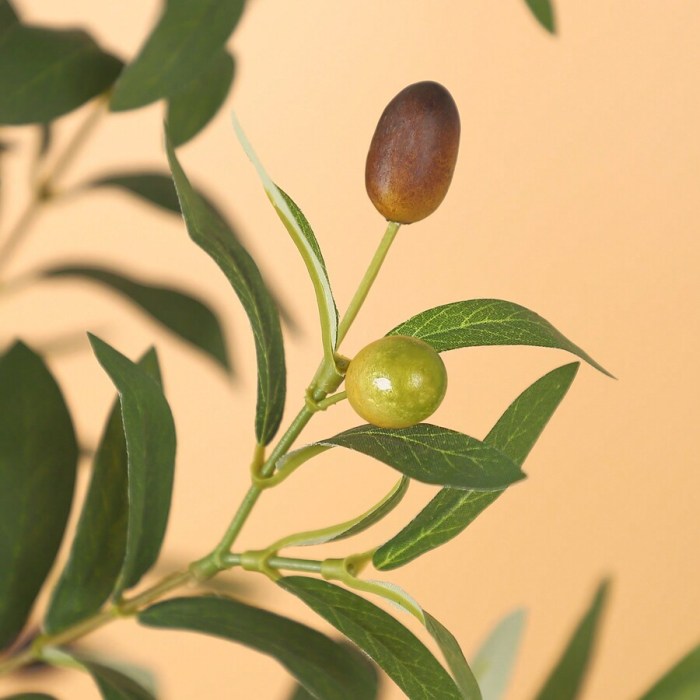
Propagating olive trees indoors allows you to expand your collection or share these beautiful plants. Repotting is essential for healthy growth and maintaining the tree’s vigor.
Olive Tree Propagation Methods
Olive trees can be propagated through cuttings and grafting. Cuttings are a more common method for home growers. Grafting requires more skill and specialized tools.
Step-by-Step Guide: Propagating from Cuttings
- Take a 6-8 inch cutting from a healthy, non-flowering stem in spring or summer.
- Remove the lower leaves.
- Dip the cut end in rooting hormone.
- Plant the cutting in a well-draining potting mix.
- Keep the soil moist but not soggy.
- Provide bright, indirect light.
- Rooting typically takes several weeks to months.
Repotting an Indoor Olive Tree
Repotting is typically done every 2-3 years, or when the roots become root-bound. The best time is during spring. Choose a pot slightly larger than the previous one.
Growth Rate and Size
Indoor olive trees have a relatively slow growth rate. Their size is influenced by factors such as pot size, light exposure, and pruning.
Pruning Techniques
Regular pruning helps maintain the olive tree’s shape and size, preventing it from becoming too large for the indoor space. Prune lightly in late winter or early spring.
Encouraging Flowering and Fruiting
While challenging indoors, flowering and fruiting can be encouraged by providing optimal light, temperature, and fertilization. Mature trees are more likely to produce fruit.
Aesthetics and Design
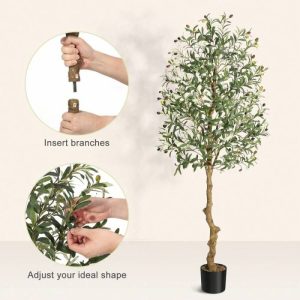
Olive trees add a touch of rustic elegance and sophistication to any indoor space. Their silvery-green foliage and gnarled trunks create a unique visual appeal.
Incorporating Olive Trees into Interior Design
Olive trees complement various interior design styles, from minimalist to Mediterranean. Their natural texture and form add warmth and character to a room.
Creative Display Ideas
Display your olive tree in a decorative pot or on a stand that complements its style. Consider using materials like terracotta, ceramic, or wood.
Visually Appealing Arrangements
Pair your olive tree with other drought-tolerant plants for a cohesive arrangement. Consider plants with contrasting textures and colors.
Olive Tree in a Modern Living Room
Imagine a modern living room with clean lines and neutral colors. A medium-sized olive tree in a sleek, dark grey ceramic pot sits on a minimalist stand near a large window. The sunlight filters through the leaves, casting dappled shadows on the light grey walls.
The overall feel is one of calm sophistication, with the olive tree serving as a natural focal point. Textural elements, such as a woven rug and linen cushions, complement the olive tree’s rough bark.
Troubleshooting and Solutions
Addressing common problems promptly is key to maintaining a healthy indoor olive tree. Early detection and intervention are crucial for preventing significant damage.
Common Problems and Their Solutions
- Leaf drop:Often caused by underwatering, overwatering, or temperature fluctuations. Adjust watering and ensure stable temperatures.
- Yellowing leaves:Can indicate nutrient deficiencies, overwatering, or pests. Check for pests, adjust watering, and fertilize if needed.
- Stunted growth:May result from insufficient light, poor soil drainage, or lack of fertilization. Improve light exposure, repot if necessary, and fertilize appropriately.
Pest Infestation Solutions
Scale insects and mealybugs can be treated with insecticidal soap or neem oil. Thorough application is crucial.
Disease Diagnosis and Treatment
Leaf spot and other fungal diseases may require fungicide treatment. Ensure good air circulation to prevent fungal growth.
Troubleshooting Guide
| Problem | Cause | Solution |
|---|---|---|
| Leaf Drop | Underwatering, Overwatering, Temperature Fluctuations | Adjust watering, maintain stable temperatures |
| Yellowing Leaves | Nutrient Deficiencies, Overwatering, Pests | Check for pests, adjust watering, fertilize |
| Stunted Growth | Insufficient Light, Poor Drainage, Lack of Fertilization | Improve light, repot, fertilize |
| Pest Infestation (Scale, Mealybugs) | Infestation | Insecticidal soap, Neem oil |
| Fungal Diseases (Leaf Spot) | Fungal Infection | Fungicide, improve air circulation |
Ending Remarks
Successfully cultivating an olive tree indoors transforms your living space into a miniature Mediterranean oasis. By following the guidelines Artikeld in this guide, you can enjoy the beauty and longevity of this resilient plant. Remember, patience and consistent care are key to nurturing a healthy, thriving olive tree within your home, rewarding you with a stunning, living piece of nature.
FAQ Resource
Can I grow an olive tree from a seed?
Yes, but it’s a lengthy process and the resulting tree may not be identical to the parent plant. Cuttings are generally a more reliable method for propagation.
How often should I prune my indoor olive tree?
Light pruning in spring and fall to maintain shape and remove dead or diseased branches is sufficient. Avoid heavy pruning.
Why are the leaves on my olive tree turning yellow?
Yellowing leaves can indicate overwatering, underwatering, nutrient deficiency, or pest infestation. Check your watering routine, soil condition, and inspect for pests.
What kind of light does an indoor olive tree need?
Olive trees need at least 6 hours of bright, indirect sunlight daily. A south-facing window is ideal, but protect from harsh direct sunlight.