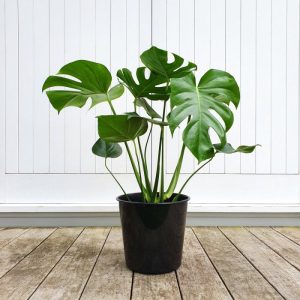
Indoor tree plants are experiencing a surge in popularity, transforming homes into lush, vibrant sanctuaries. This isn’t just a fleeting trend; it’s a reflection of our growing desire to connect with nature and improve our indoor environments. From the towering majesty of a fiddle-leaf fig to the delicate beauty of a bamboo palm, these living sculptures offer a unique blend of aesthetic appeal and environmental benefits.
This guide delves into the world of indoor tree plants, covering everything from selecting the perfect specimen to mastering the art of care and maintenance.
We’ll explore the various types of indoor trees, categorized by their light needs, and detail their individual care requirements. We’ll also discuss how to incorporate these plants into your home décor, enhancing your living spaces with their natural elegance.
Finally, we’ll touch upon the significant environmental impact of indoor trees, highlighting their air-purifying qualities and contribution to a healthier home environment.
Indoor Tree Plant Popularity and Trends
Indoor tree plants have exploded in popularity, transforming from a niche hobby to a mainstream interior design element. Their ability to bring a touch of nature indoors, coupled with their air-purifying qualities, has made them highly sought after. This growing interest reflects a broader societal shift towards biophilic design, incorporating natural elements into living spaces for improved well-being.
Current Popularity and Trends
The current popularity of indoor tree plants is undeniable, evident in the increased sales figures reported by plant nurseries and online retailers. Social media platforms are flooded with images of stylishly decorated homes featuring various indoor tree species. Three significant trends over the past five years include a move towards larger, statement plants; an increased interest in rare and unusual varieties; and a growing demand for easy-to-care-for, low-maintenance options.
Compared to other indoor plants, such as succulents or flowering plants, indoor trees offer a unique visual impact, creating a focal point within a room. While smaller plants might be more numerous, the demand and price point for larger indoor trees suggest a significant shift in consumer preferences.
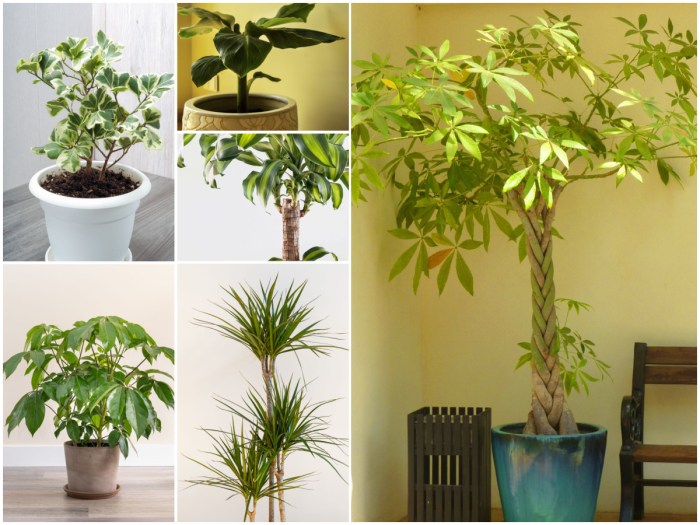
Top Five Popular Indoor Tree Plants
| Plant Name | Key Features | Light Requirements | Care Notes |
|---|---|---|---|
| Ficus Lyrata (Fiddle Leaf Fig) | Large, violin-shaped leaves; dramatic silhouette | Bright, indirect light | Prefers consistently moist soil, avoid overwatering |
| Dracaena Marginata (Dragon Tree) | Slender trunk; spiky, vibrant green leaves | Bright, indirect light; tolerates low light | Drought-tolerant; water when soil is dry |
| Schefflera Arboricola (Dwarf Umbrella Tree) | Umbrella-like leaves; compact growth habit | Bright, indirect light; tolerates some shade | Prefers consistently moist soil; prone to root rot if overwatered |
| Zamia Furfuracea (Cardboard Palm) | Unique, stiff, textured leaves; slow-growing | Bright, indirect light | Drought-tolerant; water sparingly |
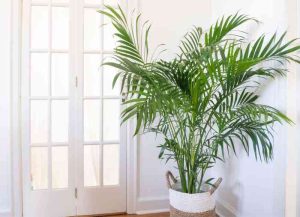
| Parlor Palm (Chamaedorea elegans) | Feathery fronds; air-purifying qualities | Medium to bright indirect light | Prefers consistently moist soil, but well-draining |
Types of Indoor Tree Plants by Light Requirements
Categorizing indoor trees based on their light needs simplifies plant selection and ensures success. Understanding a plant’s light requirements is crucial for its health and longevity. Incorrect light exposure can lead to leaf drop, stunted growth, or even plant death.
Indoor Tree Plants by Light Requirement
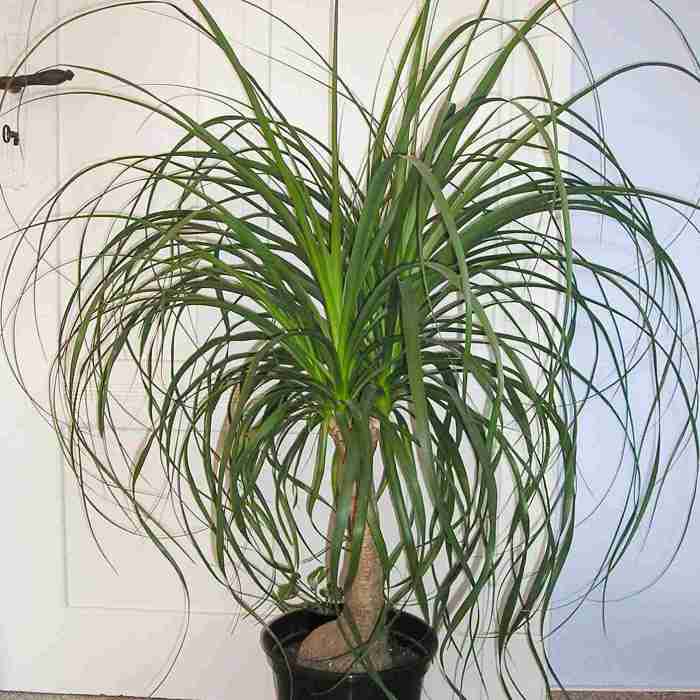
- Low Light: Zamia Furfuracea (Cardboard Palm): This slow-growing palm tolerates low-light conditions and features unique, stiff, textured leaves. Its low-maintenance nature makes it ideal for beginners.
- Medium Light: Parlor Palm (Chamaedorea elegans): This popular palm thrives in medium to bright indirect light and boasts feathery fronds. Known for its air-purifying qualities, it’s a great choice for improving indoor air quality. Its leaves are delicate and arching, offering a softer texture compared to some other indoor trees.
- High Light (Bright, Indirect): Ficus Lyrata (Fiddle Leaf Fig): This dramatic tree features large, violin-shaped leaves and requires bright, indirect light. It prefers consistently moist soil but is susceptible to root rot if overwatered. The leaves are firm and leathery, giving a polished look. Dracaena Marginata (Dragon Tree):This striking tree has a slender trunk and spiky, vibrant green leaves.
While it tolerates low light, it thrives in bright, indirect light. Its leaves are thin and pointed, adding a different textural element to a room. Schefflera Arboricola (Dwarf Umbrella Tree):This compact tree boasts umbrella-like leaves and tolerates some shade, although it prefers bright, indirect light.
Its leaves are palmate and glossy, offering a vibrant green hue.
Care and Maintenance of Indoor Tree Plants
Proper care is essential for the health and longevity of indoor tree plants. A consistent watering schedule, well-draining soil, and vigilance against pests and diseases are crucial factors. Ignoring these aspects can lead to various problems, impacting the aesthetic appeal and overall well-being of the plant.
Watering Schedule and Soil Drainage
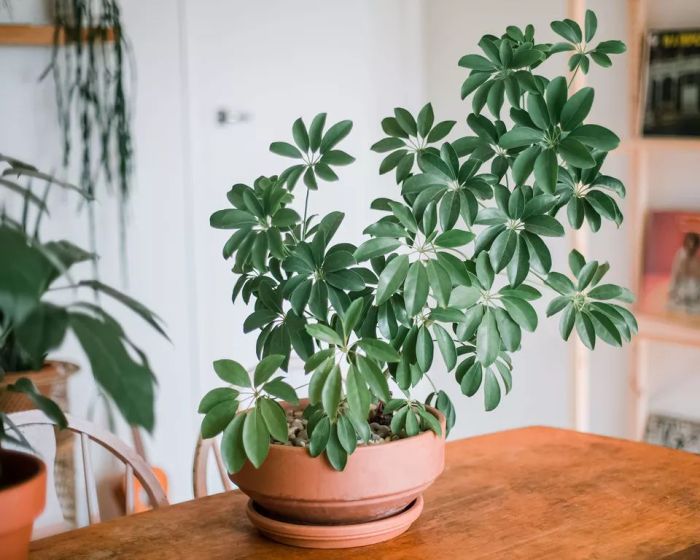
Optimal watering schedules vary depending on the plant species, pot size, and environmental conditions. Generally, allow the top inch or two of soil to dry out before watering thoroughly. Overwatering is a common problem, leading to root rot and other issues.
Proper soil drainage is crucial to prevent waterlogging. Use a well-draining potting mix and ensure the pot has drainage holes.
Pest and Disease Problems
Common pests include spider mites, mealybugs, and scale insects. Regularly inspect your plants for signs of infestation and treat promptly with insecticidal soap or neem oil. Fungal diseases can also affect indoor tree plants, often caused by overwatering or poor air circulation.
Ensure good air circulation and avoid overhead watering.
Beginner’s Care Guide
| Task | Frequency | Method | Notes |
|---|---|---|---|
| Watering | When top inch of soil is dry | Water thoroughly until water drains from the bottom | Avoid overwatering |
| Fertilizing | Every 2-4 weeks during growing season | Use a balanced liquid fertilizer | Reduce or stop fertilizing during winter months |
| Cleaning Leaves | As needed | Wipe leaves with a damp cloth | Removes dust and improves photosynthesis |
| Pest Inspection | Weekly | Check for signs of pests | Treat promptly if pests are found |
Indoor Tree Plants and Home Decor
Indoor tree plants are versatile design elements, enhancing various room styles and adding a touch of nature. The choice of pot size and material further impacts the overall aesthetic. Consider the room’s size, style, and existing décor when selecting a tree and its container.
Incorporating Indoor Trees into Home Decor
A large Ficus Lyrata in a minimalist, modern living room creates a striking focal point, complementing clean lines and neutral colors. In a bohemian setting, a collection of smaller, varied indoor trees in mismatched pots adds a relaxed, eclectic vibe.
A single, tall Dracaena Marginata in a sleek, ceramic pot can elevate a modern bedroom’s sophistication. Larger pots provide stability and a more substantial presence, while smaller pots offer flexibility and allow for grouping. Materials like terracotta, ceramic, and woven baskets each bring a unique textural element to the overall design.
Choosing the Right Size and Type
For smaller rooms, opt for compact trees like the Schefflera Arboricola or a small Parlor Palm. Larger rooms can accommodate statement pieces such as a Ficus Lyrata or a taller Dracaena Marginata. Consider the ceiling height and available floor space when selecting the size of the tree.
Environmental Impact of Indoor Tree Plants
Indoor tree plants offer numerous environmental benefits, contributing to improved indoor air quality and humidity. However, considerations regarding potting soil and potential challenges in maintaining them are important factors to address.
Air Purification and Humidity
Many indoor tree plants, such as the Parlor Palm and Snake Plant, possess air-purifying qualities, effectively removing toxins and improving indoor air quality. They also contribute to increased humidity levels, creating a more comfortable and healthier indoor environment.
Potting Soil and Environmental Challenges
The environmental impact of potting soil varies depending on its composition. Opt for peat-free alternatives to minimize the environmental impact. Maintaining indoor tree plants can present challenges, including the potential for pest infestations and the need for regular watering and fertilization.
Improper care can lead to plant stress, potentially impacting its air-purifying capabilities.
Final Summary
Bringing the tranquility and beauty of nature indoors with indoor tree plants offers more than just aesthetic enhancement; it’s an investment in well-being and a sustainable lifestyle. By understanding their unique needs and incorporating them thoughtfully into your home, you can create a space that is both visually stunning and environmentally beneficial.
Whether you’re a seasoned plant enthusiast or a beginner just starting out, this guide provides the essential knowledge to cultivate thriving indoor trees and enjoy their numerous rewards for years to come. Remember, the journey of nurturing these living companions is as rewarding as the final result.
Essential FAQs
How often should I fertilize my indoor tree plants?
Fertilize during the growing season (spring and summer) every 2-4 weeks with a balanced liquid fertilizer diluted to half strength.
How do I know if my indoor tree needs repotting?
Check the roots. If they’re circling the pot or growing out of the drainage holes, it’s time for a larger pot.
What should I do if my indoor tree plant starts dropping leaves?
Several factors can cause leaf drop, including underwatering, overwatering, insufficient light, or pests. Inspect the plant carefully and adjust care accordingly.
Can I propagate my indoor tree plant?
Many indoor tree plants can be propagated from cuttings. Research your specific plant to determine the best method.