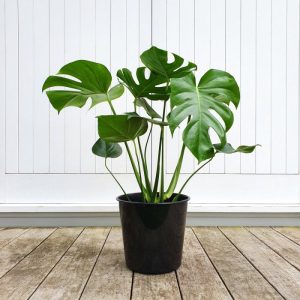
Tall indoor plants dramatically transform a space, adding vertical interest and a touch of the outdoors. From the majestic majesty of a fiddle-leaf fig to the elegant lines of a bamboo palm, these towering green companions offer more than just visual appeal; they can improve air quality, boost mood, and create a calming atmosphere.
This guide delves into everything you need to know about selecting, placing, caring for, and propagating these impressive houseplants, ensuring your leafy giants thrive.
Popular Tall Indoor Plants
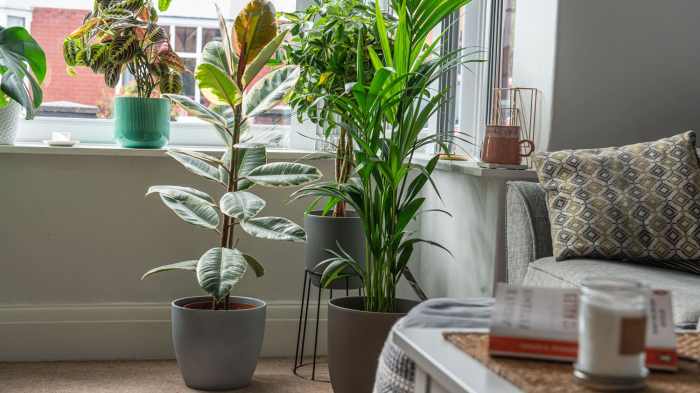
Bringing the outdoors in with tall indoor plants offers a multitude of benefits, from enhancing aesthetics to improving air quality. Choosing the right plants, however, requires understanding their specific needs and how they interact with your living space. This section explores popular species, their care requirements, and design considerations for incorporating them into your home or office.
Popular Tall Indoor Plant Species
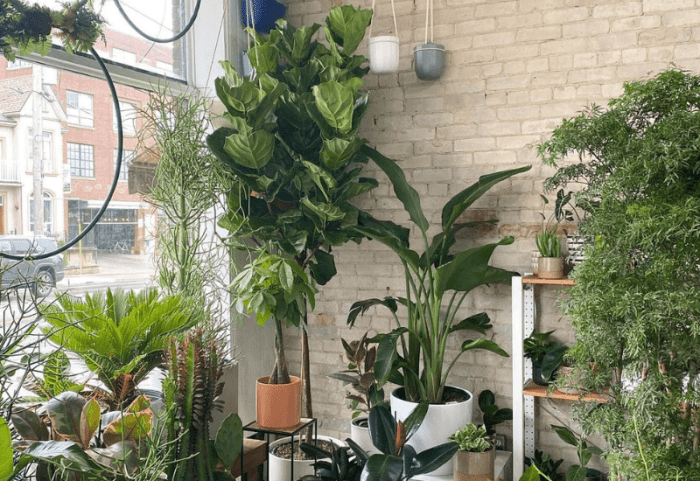
Several tall indoor plants thrive in home and office environments, each with unique characteristics. The following table summarizes their ideal growing conditions, providing a helpful guide for selection.
| Plant Name | Scientific Name | Light Requirements | Water Requirements |
|---|---|---|---|
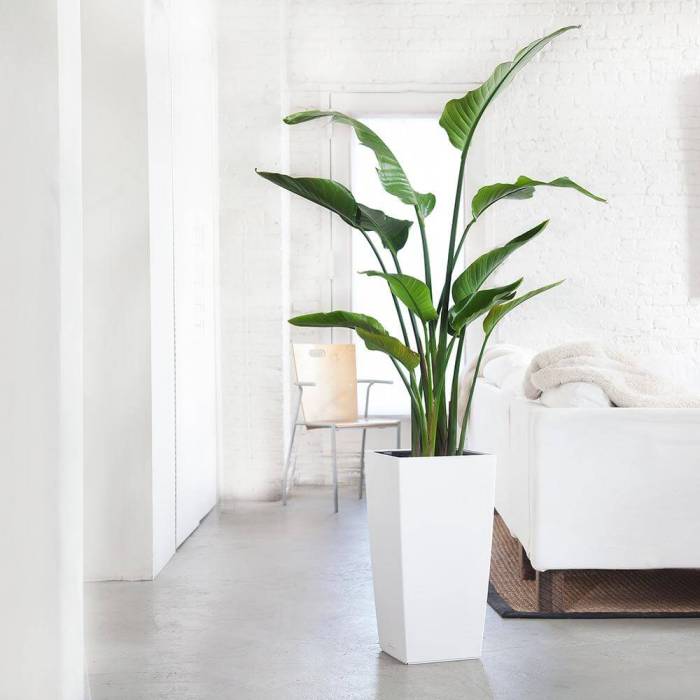
| Bird of Paradise | Strelitzia reginae | Bright, indirect light | Water thoroughly when the top inch of soil is dry |
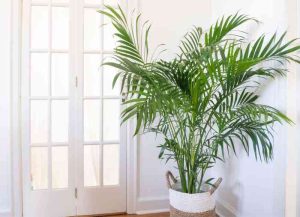
| Kentia Palm | Howea forsteriana | Bright, indirect light; tolerates low light | Water when the top inch of soil is dry; avoid overwatering |
| Bamboo Palm | Chamaedorea seifrizii | Low to medium indirect light | Keep soil consistently moist, but not soggy |
| Fiddle-leaf Fig | Ficus lyrata | Bright, indirect light | Water when the top inch of soil is dry; allow soil to dry slightly between waterings |
| Snake Plant | Sansevieria trifasciata | Low to bright indirect light; tolerates low light conditions | Water sparingly; allow soil to dry completely between waterings |
| ZZ Plant | Zamioculcas zamiifolia | Low to bright indirect light; tolerates very low light | Water infrequently; allow soil to dry completely between waterings |
| Dracaena Marginata | Dracaena marginata | Bright, indirect light | Water when the top inch of soil is dry; avoid overwatering |
| Areca Palm | Dypsis lutescens | Bright, indirect light | Water regularly, keeping the soil consistently moist but not waterlogged |
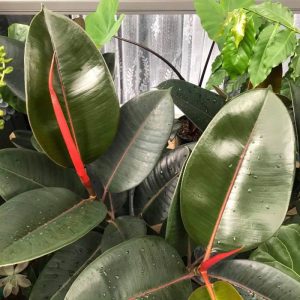
| Rubber Plant | Ficus elastica | Bright, indirect light | Water when the top inch of soil is dry; allow the soil to dry slightly between waterings |
| Chinese Evergreen | Aglaonema | Low to medium indirect light | Water when the top inch of soil is dry; avoid overwatering |
Maintenance requirements vary significantly. While some, like ZZ plants and Snake Plants, tolerate neglect, others, such as Fiddle-leaf Figs and Bird of Paradise plants, demand more attention regarding watering and light conditions. Regular observation and adjustment based on the plant’s specific needs are key to success.
Tall Plant Placement and Design Considerations
Strategic placement of tall plants significantly impacts a room’s aesthetic and spatial perception. They can create focal points, define areas, and enhance the overall flow of a space. Careful consideration of height, texture, and the plant’s light requirements is crucial.
For instance, in a living room, a tall Fiddle-leaf Fig positioned in a corner, bathed in bright indirect light, can serve as a striking focal point. Complementing it with a smaller, texturally contrasting plant, like a fern, can add depth and visual interest.
Alternatively, a grouping of three plants – a tall, slender Dracaena Marginata, a fuller Areca Palm, and a trailing pothos – placed near a window can create a lush, inviting atmosphere. The varying heights and textures create a dynamic display that doesn’t overwhelm the space.
The overall aesthetic is one of natural vibrancy and balanced elegance.
Tall Plant Care and Maintenance
Effective watering is paramount. Overwatering leads to root rot, while underwatering causes wilting and leaf drop. The best approach is to check the soil moisture before watering; water thoroughly only when the top inch of soil is dry. Regularly inspect plants for pests (like spider mites or mealybugs) and diseases (like fungal leaf spots).
Prompt treatment with appropriate insecticides or fungicides is necessary. Yellowing leaves often indicate overwatering, underwatering, or nutrient deficiencies.
Repotting a large indoor plant is a multi-step process: 1. Gently remove the plant from its pot. 2. Loosen the root ball slightly. 3.
Place a layer of fresh potting mix in a slightly larger pot. 4. Position the plant, filling the remaining space with potting mix. 5. Water thoroughly.
A regular maintenance checklist should include fertilizing during the growing season (spring and summer) and pruning to maintain shape and remove dead or damaged leaves.
Propagation and Growth of Tall Indoor Plants
Tall indoor plants can be propagated through various methods, each with its advantages and disadvantages. Stem cuttings are a common method for many plants, like Dracaenas and Ficus. Division is suitable for plants with multiple stems or crowns, such as some palms.
Growing from seeds is a more time-consuming process, requiring patience and specific germination techniques. Light, nutrients, and temperature significantly influence growth rates. Generally, brighter light and adequate nutrients promote faster growth.
Propagation success rates and time vary widely depending on the method and plant species. Cuttings often have a high success rate and relatively quick establishment, while seed propagation may have lower success rates and take significantly longer to mature.
Tall Plants and Indoor Air Quality
Many tall indoor plants contribute to improved indoor air quality by absorbing certain pollutants. While the extent of this effect is often debated, studies suggest that plants can contribute to a healthier indoor environment. Specific plants known for their air-purifying capabilities include Snake Plants, ZZ Plants, and various types of palms.
These plants absorb volatile organic compounds (VOCs) present in many household products.
- Snake Plant (Sansevieria trifasciata): Highly effective at removing formaldehyde and benzene.
- ZZ Plant (Zamioculcas zamiifolia): Tolerates low light and filters toxins.
- Areca Palm (Dypsis lutescens): Excellent at removing xylene and toluene.
- Bamboo Palm (Chamaedorea seifrizii): Removes formaldehyde and benzene.
- Rubber Plant (Ficus elastica): Removes formaldehyde and other VOCs.
Final Wrap-Up
Successfully cultivating tall indoor plants is a rewarding experience, enriching your home with both beauty and a sense of accomplishment. By understanding their individual needs, implementing proper care techniques, and appreciating their aesthetic impact, you can create a vibrant and healthy indoor environment.
Remember, with a little attention and care, your tall indoor plants will not only survive but flourish, becoming cherished additions to your living space for years to come.
General Inquiries
How often should I rotate my tall indoor plants?
Rotating your tall indoor plants every week or two helps ensure even growth and prevents them from leaning towards the light source.
What are the signs of overwatering?
Yellowing lower leaves, mushy stems, and a perpetually soggy soil are all indicators of overwatering.
How can I prevent pests on my tall indoor plants?
Regularly inspect your plants for pests, wipe down leaves with a damp cloth, and consider using insecticidal soap or neem oil if necessary.
Can I use tap water for my tall indoor plants?
Ideally, use filtered or distilled water, as tap water can contain minerals that may harm your plants. Let tap water sit out overnight to allow chlorine to dissipate.