Purple Calathea plant care: These striking plants, with their vibrant, often purple-hued leaves, are increasingly popular houseplants. Their dramatic foliage and relatively manageable care requirements make them a rewarding addition to any home. But understanding their specific needs is key to keeping them thriving.
This guide will walk you through everything you need to know, from light and watering to soil and pest control, ensuring your purple calathea flourishes.
From their native tropical rainforests to your living room, these plants bring a touch of the exotic indoors. We’ll explore the best ways to replicate their natural environment, helping you avoid common pitfalls and cultivate a healthy, vibrant plant.
We’ll cover everything from choosing the right pot to dealing with pests and diseases, ensuring your purple calathea becomes a beautiful, long-lasting addition to your home.
Purple Calathea Plants: A Comprehensive Care Guide
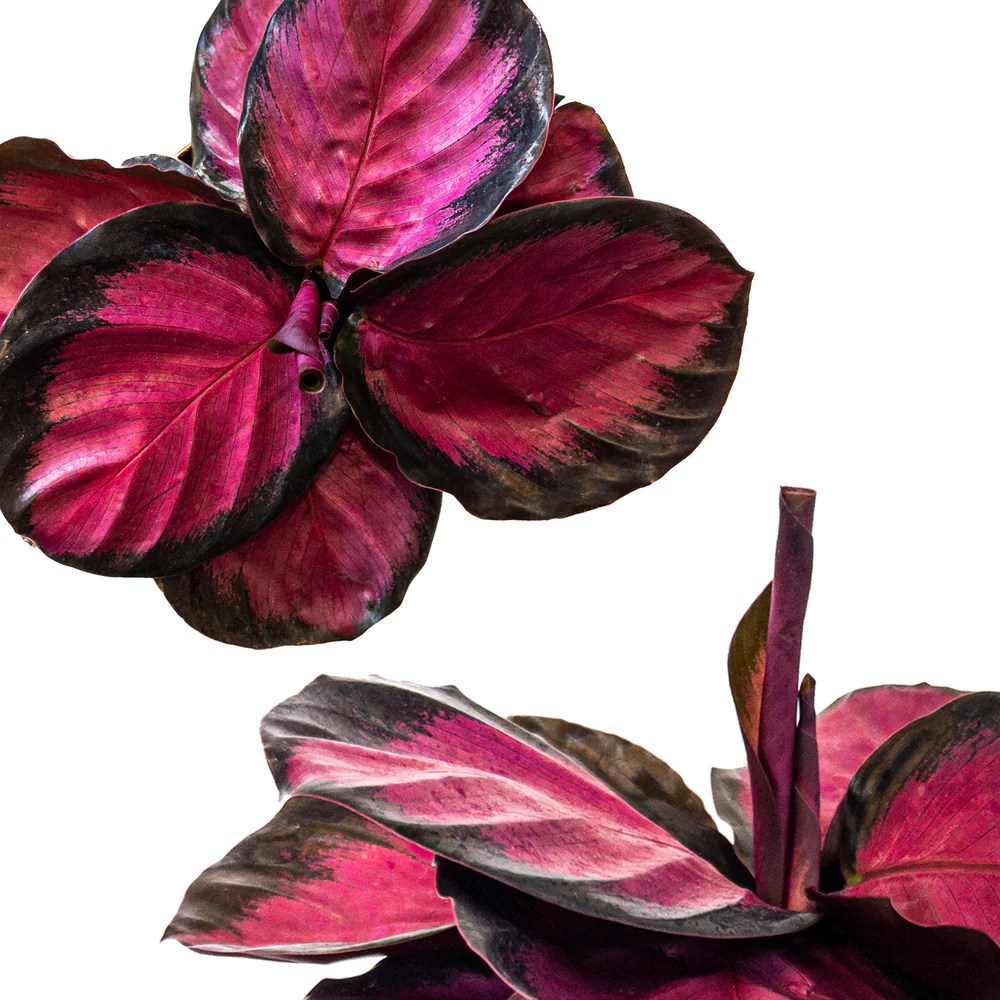
Purple calatheas, with their striking foliage and captivating patterns, have quickly become a favorite among houseplant enthusiasts. Their dramatic leaf coloration, ranging from deep purples to vibrant greens, adds a touch of exotic beauty to any indoor space. This guide provides a detailed overview of caring for these stunning plants, ensuring they thrive in your home.
Introduction to Purple Calathea Plants, Purple calathea plant care
Purple calatheas, belonging to the Calatheagenus, are known for their incredibly diverse leaf patterns and colors, often featuring deep purples, rich greens, and striking veins. Variations exist within the species, with some displaying predominantly purple undersides and others exhibiting purple markings on their upper surfaces.
These plants are native to the tropical rainforests of South America, where they thrive in shaded, humid environments. Their increasing popularity stems from their unique beauty, relatively low maintenance compared to other tropical plants, and the air-purifying qualities often attributed to them.
Light Requirements for Purple Calatheas
Purple calatheas thrive in bright, indirect light. Direct sunlight can scorch their delicate leaves, causing browning and wilting. Insufficient light, on the other hand, leads to leggy growth and a loss of vibrant leaf coloration. Signs of light stress include pale leaves, elongated stems, and a general lack of vigor.
To correct light issues, adjust the plant’s position or supplement with grow lights.
| Light Source | Pros | Cons | Considerations |
|---|---|---|---|
| East-facing window | Provides gentle morning sun, good indirect light | May become too intense during midday | Monitor for scorching, adjust position as needed |
| North-facing window (in temperate climates) | Consistent, soft indirect light | May be too low in light intensity | Supplement with grow lights if necessary |
| Grow lights | Provides consistent, controlled light | Requires initial investment | Choose a full-spectrum grow light for optimal results |
| West-facing window (filtered) | Bright, indirect light during the afternoon | Can be intense, especially in summer | Use sheer curtains to diffuse sunlight |
Watering and Humidity Needs
Proper watering is crucial for healthy purple calatheas. Overwatering leads to root rot, while underwatering results in wilting and leaf browning. Signs of underwatering include dry soil, drooping leaves, and crispy leaf edges. Overwatering manifests as yellowing leaves, soggy soil, and a foul odor.
Purple calatheas prefer consistently moist, but not waterlogged, soil. They also require high humidity levels, typical of their rainforest habitat.
Here’s a step-by-step guide for watering:
- Check the soil moisture before watering. Stick your finger about an inch into the soil; if it feels dry, it’s time to water.
- Water thoroughly until water drains from the drainage holes.
- Empty any excess water from the saucer to prevent root rot.
- Water less frequently during winter months when growth slows down.
- Increase humidity by using a humidity tray, humidifier, or grouping plants together.
Soil and Fertilizer Recommendations
Purple calatheas thrive in well-draining, nutrient-rich soil that retains some moisture. Proper fertilization provides essential nutrients for healthy growth and vibrant leaf color. Over-fertilization can damage the roots, so use a balanced, diluted fertilizer.
| Potting Mix | Pros | Cons | Suitable For |
|---|---|---|---|
| Peat-based potting mix | Good moisture retention, readily available | Can become compacted, requires frequent watering | Beginner growers, frequent watering schedules |
| Orchid bark mix | Excellent drainage, airy | Dries out quickly, requires frequent watering | Experienced growers, those in drier climates |
| Coco coir mix | Good water retention, sustainable | Can be dense, requires careful watering | Those seeking eco-friendly options |
| Custom blend (peat moss, perlite, orchid bark) | Tailored to specific needs, excellent drainage and moisture retention | Requires more effort to prepare | Experienced growers seeking optimal results |
Common Problems and Pest Control
Common pests include spider mites, mealybugs, and aphids. Diseases are less frequent but can include root rot from overwatering. Nutrient deficiencies manifest as yellowing leaves, stunted growth, or discoloration. Early detection and prompt action are crucial for effective pest and disease control.
Troubleshooting Guide:
- Problem:Yellowing leaves. Possible Causes:Overwatering, root rot, nutrient deficiency. Solution:Check soil moisture, improve drainage, fertilize appropriately.
- Problem:Brown leaf edges. Possible Causes:Underwatering, low humidity, fluoride toxicity. Solution:Water regularly, increase humidity, use filtered water.
- Problem:Spider mites. Possible Causes:Low humidity, dry air. Solution:Increase humidity, use insecticidal soap.
Propagation Methods
Purple calatheas can be propagated through division during repotting or by stem cuttings. Division involves separating the plant into smaller sections, each with its own roots. Stem cuttings involve taking a section of stem with leaves and rooting it in water or moist soil.
Division generally offers a higher success rate.
Visual representation of stem cutting propagation (Imagine a step-by-step illustrated guide here showing: 1. Selecting a healthy stem cutting; 2. Removing lower leaves; 3. Placing the cutting in water or moist soil; 4. Providing humidity and warmth; 5.
Observing root development).
Maintaining a Healthy Purple Calathea
Preventative care includes regular inspection for pests and diseases, proper watering and fertilization, and providing optimal light and humidity conditions. Repotting should be done when the plant becomes root-bound, typically every 1-2 years, using a slightly larger pot. Select a pot with drainage holes to prevent waterlogging.
Closure: Purple Calathea Plant Care
Mastering purple calathea care isn’t about complex techniques, but rather about understanding the plant’s fundamental needs. By providing the right light, water, and nutrients, and by paying attention to its subtle cues, you can cultivate a thriving, beautiful plant that will reward you with its stunning foliage for years to come.
Remember, consistent attention and a bit of patience are the keys to success. Don’t be afraid to experiment and find what works best for your plant and your environment.
Questions and Answers
What’s the best way to clean the leaves of my purple calathea?
Gently wipe the leaves with a damp, soft cloth. Avoid harsh chemicals or abrasive materials.
My purple calathea’s leaves are drooping. What should I do?
Check for underwatering, overwatering, or insufficient humidity. Adjust your watering and humidity levels accordingly.
How often should I repot my purple calathea?
Repot every 1-2 years, or when the roots become root-bound.
Can I propagate my purple calathea from leaf cuttings?
Leaf cuttings are generally less successful than stem cuttings or division. Stem cuttings are the recommended method.