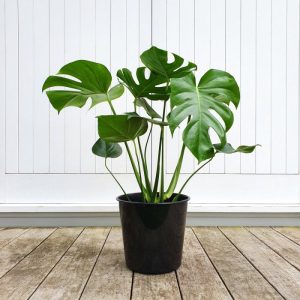
Indoor bamboo plants bring a touch of the tropics to any home, offering a calming presence and a vibrant green accent. But beyond their aesthetic appeal lies a world of care and cultivation that ensures their thriving. This guide delves into the diverse world of indoor bamboo, exploring various species, their unique needs, and the secrets to successful propagation and long-lasting beauty.
From selecting the perfect bamboo variety to mastering the art of repotting and troubleshooting common problems, we’ll equip you with the knowledge to nurture your indoor bamboo into a lush and healthy centerpiece. Whether you’re a seasoned plant enthusiast or a beginner, this guide provides a comprehensive roadmap to enjoying the serene beauty of indoor bamboo.
Indoor Bamboo Plants: A Comprehensive Guide
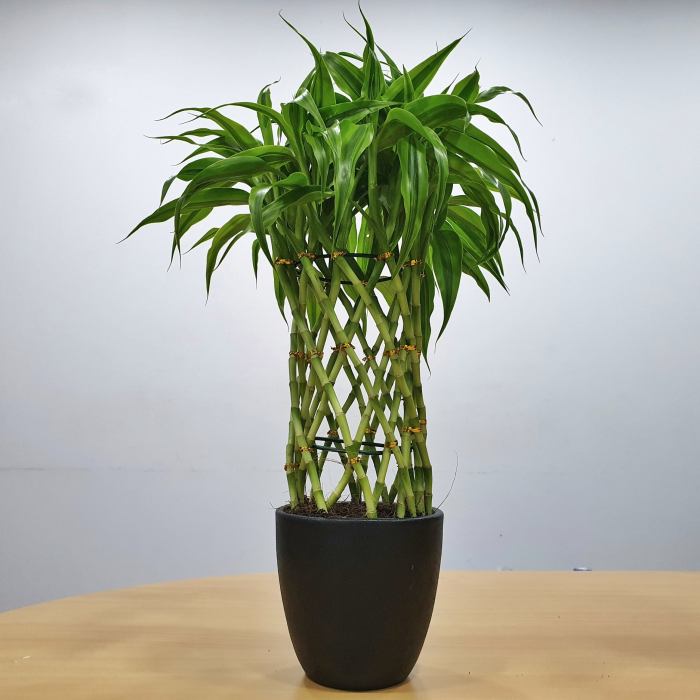
Bringing the serene beauty of bamboo indoors is easier than you might think. These versatile plants offer a touch of tranquility and natural elegance to any space. This guide will explore the various types of indoor bamboo, their care requirements, propagation methods, and design applications, equipping you with the knowledge to successfully cultivate these stunning plants in your home.
Types of Indoor Bamboo Plants
Several bamboo varieties thrive indoors, each boasting unique characteristics. Let’s delve into five popular choices, examining their growth habits and care needs.
- Lucky Bamboo (Dracaena sanderiana): Not a true bamboo, but often mistaken for one, Lucky Bamboo is incredibly popular for its resilience and adaptability. It features slender, bright green stalks that can be grown in water or soil. It tolerates low light conditions but thrives in bright, indirect light.
Regular water changes are essential when grown in water, while soil-grown plants need consistent moisture but not waterlogged conditions.
- Buddha Belly Bamboo (Bambusa ventricosa): Known for its distinctive swollen nodes along its culms (stems), Buddha Belly Bamboo adds a unique sculptural element to any room. It prefers bright, indirect light and well-draining soil. Overwatering should be avoided to prevent root rot.
- Black Bamboo (Phyllostachys nigra): While some varieties of black bamboo can grow quite large, certain cultivars remain compact enough for indoor cultivation. Its striking dark culms provide a dramatic contrast against lighter backgrounds. It needs bright, indirect light and consistent moisture, but well-draining soil is crucial.
- Golden Bamboo (Phyllostachys aurea): This fast-growing bamboo displays vibrant yellow-green culms, adding a cheerful touch to indoor spaces. It thrives in bright, indirect light and well-draining soil, requiring regular watering but avoiding waterlogging. Regular pruning is needed to maintain its size and shape.
- Dwarf Bamboo (various species):Several bamboo species are naturally dwarf and perfectly suited for indoor environments. These often maintain a compact size, making them ideal for smaller spaces. Specific light and water requirements vary depending on the exact species, but generally, they prefer bright, indirect light and consistently moist (but not soggy) soil.
| Variety | Light Needs | Water Requirements | Ideal Temperature |
|---|---|---|---|
| Lucky Bamboo | Bright, indirect light | Consistent moisture (water changes if in water) | 65-75°F (18-24°C) |
| Buddha Belly Bamboo | Bright, indirect light | Well-draining soil, avoid overwatering | 65-80°F (18-27°C) |
| Black Bamboo | Bright, indirect light | Consistent moisture, well-draining soil | 60-75°F (15-24°C) |
| Golden Bamboo | Bright, indirect light | Consistent moisture, well-draining soil | 65-80°F (18-27°C) |
| Dwarf Bamboo | Bright, indirect light | Consistent moisture, well-draining soil | 60-75°F (15-24°C) |
Caring for Indoor Bamboo
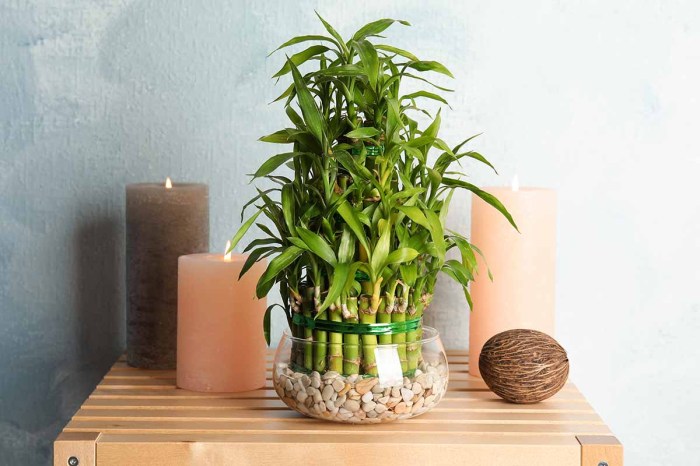
Providing optimal growing conditions is crucial for healthy indoor bamboo. This involves careful attention to light, temperature, humidity, watering, and fertilization.
Indoor bamboo generally thrives in bright, indirect light. Direct sunlight can scorch their leaves. A temperature range of 65-80°F (18-27°C) is ideal, although some varieties tolerate slightly cooler temperatures. Maintaining moderate humidity levels is beneficial; you can increase humidity by placing the plant on a pebble tray or using a humidifier.
Water thoroughly when the top inch of soil feels dry. Avoid overwatering, which can lead to root rot. Fertilize monthly during the growing season (spring and summer) with a balanced liquid fertilizer diluted to half strength.
Common problems include root rot (caused by overwatering), yellowing leaves (often due to insufficient light or nutrient deficiencies), and pest infestations (such as spider mites or mealybugs). Regular inspection and prompt treatment are key to preventing these issues.
Repotting Indoor Bamboo: A Step-by-Step Guide, Indoor bamboo plant
- Choose a pot slightly larger than the current one, ensuring adequate drainage holes.
- Prepare a well-draining potting mix, such as a blend of potting soil, perlite, and peat moss.
- Gently remove the bamboo from its current pot, loosening the roots if necessary.
- Inspect the roots for any signs of rot or damage, trimming away any affected areas.
- Place a layer of potting mix in the new pot.
- Position the bamboo plant in the center and fill the pot with the remaining potting mix, gently firming it around the roots.
- Water thoroughly after repotting.
Propagation of Indoor Bamboo
Indoor bamboo can be propagated through stem cuttings and division. Both methods offer opportunities to expand your collection.
- Stem Cuttings:
- Materials:Sharp knife or shears, rooting hormone (optional), potting mix, small pot.
- Steps:Cut a healthy stem section with several nodes. Dip the cut end in rooting hormone (optional). Plant in moist potting mix. Keep consistently moist but not waterlogged. New growth indicates successful rooting.
- Division:
- Materials:Sharp knife or shears, potting mix, new pots.
- Steps:Carefully remove the plant from its pot. Separate the plant into multiple sections, each with its own roots and stems. Plant each section in its own pot with fresh potting mix.
Indoor Bamboo Plant Design and Placement
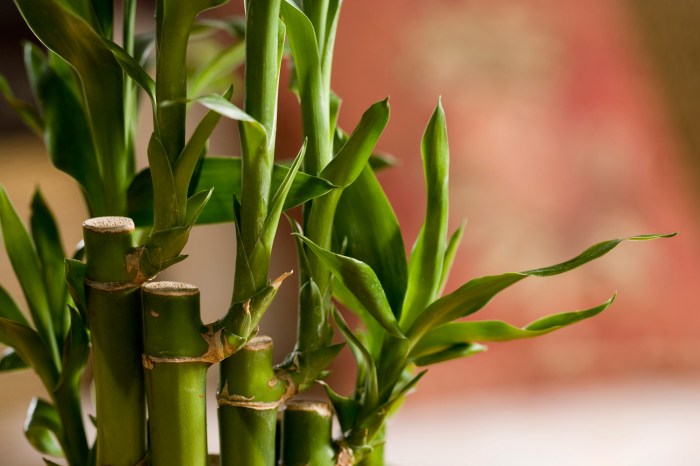
Indoor bamboo’s elegant lines and lush foliage complement various decor styles. Its verticality adds visual interest to any room.
In a modern setting, a single, slender Lucky Bamboo in a minimalist ceramic pot can create a clean, sophisticated look. In a minimalist space, a grouping of three different bamboo varieties—a taller Buddha Belly Bamboo, a medium-sized Golden Bamboo, and a shorter Black Bamboo—in a corner of a living room creates a dynamic visual focal point.
The size and color contrast of these plants would enhance the overall aesthetic. In traditional settings, a larger, more established Buddha Belly Bamboo in a woven basket can add a touch of rustic charm.
Potential Problems and Solutions
While relatively easy to care for, indoor bamboo can encounter issues. Preventative care is crucial for maintaining their health.
| Problem | Cause | Solution | Prevention |
|---|---|---|---|
| Yellowing Leaves | Insufficient light, nutrient deficiencies, overwatering, underwatering | Adjust lighting, fertilize, adjust watering schedule | Provide adequate light, regular fertilization, consistent watering |
| Leaf Browning | Direct sunlight, low humidity, fluoride in water | Relocate to indirect light, increase humidity, use filtered water | Avoid direct sunlight, maintain humidity, use filtered water |
| Root Rot | Overwatering, poor drainage | Repot in well-draining soil, allow soil to dry between waterings | Use well-draining soil, avoid overwatering |
| Pest Infestations | Infestation of pests | Treat with insecticidal soap or neem oil | Regular inspection, promptly treat any infestations |
Last Recap
Cultivating indoor bamboo is a rewarding journey, blending the simple joy of nurturing living things with the aesthetic enhancement they bring to your living space. By understanding their specific needs and employing the techniques Artikeld in this guide, you can transform your home with the vibrant green presence of healthy, thriving bamboo.
Remember, consistent care and attention will be rewarded with years of enjoyment from these elegant plants. So, choose your favorite variety, get started, and watch your indoor bamboo flourish!
FAQ Overview: Indoor Bamboo Plant
How often should I water my indoor bamboo?
Water when the top inch of soil feels dry. Overwatering is a common problem, leading to root rot.
What kind of light does indoor bamboo need?
Bright, indirect light is ideal. Avoid direct sunlight, which can scorch the leaves.
Why are my bamboo leaves turning yellow?
Yellowing leaves can indicate overwatering, underwatering, nutrient deficiency, or pest infestation. Check the soil moisture and look for pests.
Can I propagate indoor bamboo from cuttings?
Yes, stem cuttings are a common and effective method. Ensure the cutting has at least one node and plant it in moist soil.