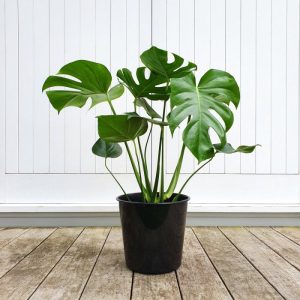
Indoor plant trellises: They’re more than just plant supports; they’re design elements that can transform a space. From sleek metal structures to rustic wooden designs, the right trellis can elevate your indoor jungle, providing crucial support for climbing plants and adding a touch of elegance to your home.
This guide dives into everything you need to know about choosing, installing, and creatively using indoor plant trellises to create a thriving and aesthetically pleasing indoor garden.
We’ll cover the various types of trellises available, helping you match the perfect support to your specific plants and space. We’ll also explore installation techniques, maintenance tips, and creative design ideas to help you integrate your trellises seamlessly into your existing decor.
Get ready to discover the world of indoor plant trellises and unlock the full potential of your indoor greenery!
Indoor Plant Trellises: A Comprehensive Guide
Indoor plant trellises offer a stylish and practical solution for supporting climbing and vining plants, enhancing their growth and adding visual interest to your home. This guide provides a detailed overview of trellis types, selection, installation, maintenance, creative uses, and DIY projects to help you maximize the beauty and health of your indoor greenery.
Types of Indoor Plant Trellises
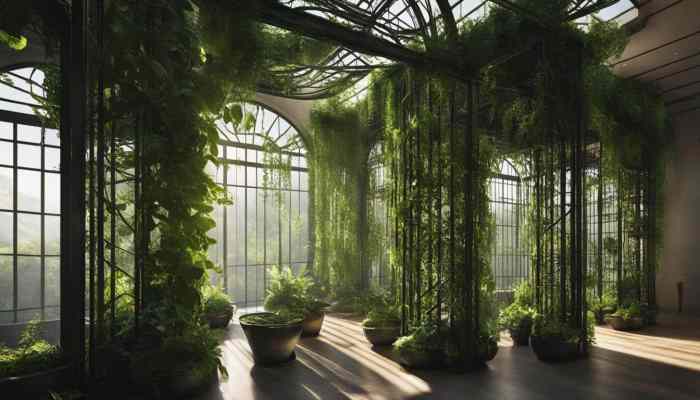
Various trellis materials and designs cater to different plant types and aesthetic preferences. The choice depends on factors like plant weight, growth habit, and your interior design style.
| Material | Durability | Aesthetics | Price |
|---|---|---|---|
| Wood | High; can last for years with proper care. | Classic, natural look; can be stained or painted. | Medium to High |
| Metal | High; resistant to rust if properly treated. | Modern, sleek look; available in various finishes. | Medium to High |
| Plastic | Moderate; prone to breaking under stress. | Versatile; available in various colors and designs. | Low |
| Macrame | Moderate; durability depends on knotting and material. | Bohemian, textured look; adds a handcrafted feel. | Medium |
Different trellis designs cater to specific plant growth habits.
- Vertical Trellises:Ideal for climbing plants like pothos, philodendrons, and monsteras, providing ample vertical space for growth. They can be free-standing or wall-mounted.
- Horizontal Trellises:Suitable for trailing plants like string of pearls or spider plants, allowing them to cascade gracefully. They can be shelf-mounted or suspended.
- A-Frame Trellises:Provide a sturdy support structure for larger climbing plants, offering a visually interesting focal point. They work well in corners or as room dividers.
- Wall-Mounted Trellises:Space-saving option perfect for smaller plants or areas with limited floor space. They can be easily installed on walls using screws or adhesive.
Choosing the Right Trellis for Your Plants
Selecting the appropriate trellis involves considering several key factors to ensure optimal plant support and aesthetic harmony.
Factors like plant size, growth habit (vining, climbing, trailing), pot size, and available space all play a crucial role. For instance, a small, trailing plant will not need a large, elaborate trellis. Conversely, a vigorous climbing plant will require a sturdy, spacious structure.
- Vining Plants (e.g., Pothos, Philodendron):Vertical or A-frame trellises are best.
- Climbing Plants (e.g., Passion Flower, Stephanotis):Sturdy vertical or A-frame trellises are necessary for support.
- Trailing Plants (e.g., String of Pearls, Spider Plant):Horizontal or wall-mounted trellises allow for graceful cascading.
A decision tree can help visualize the selection process. Consider plant size (small, medium, large), growth habit (vining, climbing, trailing), and available space (small, medium, large). Based on these three factors, you can choose the best trellis type.
Installing and Maintaining Indoor Plant Trellises
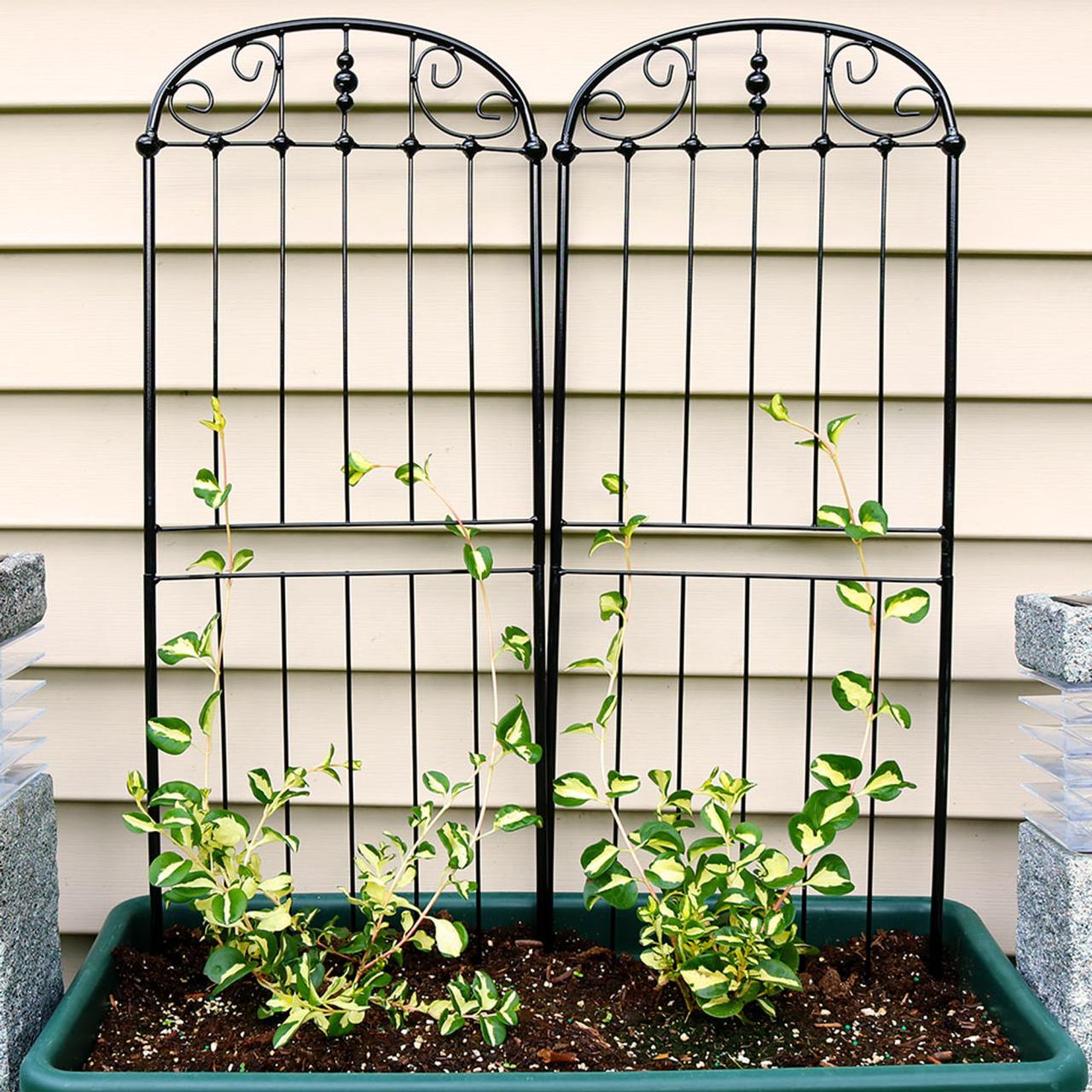
Proper installation and maintenance are key to ensuring the longevity and effectiveness of your trellis. Secure attachment and regular cleaning prevent damage and maintain the trellis’s structural integrity.
- Choose the right location:Consider sunlight, proximity to other furniture, and overall aesthetics.
- Securely attach the trellis:Use appropriate fasteners for the trellis material and mounting surface (e.g., screws for wood, adhesive for plastic).
- Gently train the plant:Guide the stems and vines along the trellis, using plant ties as needed.
- Regularly inspect and clean:Remove dust and debris, and repair any damage promptly.
Creative Uses and Design Ideas for Indoor Plant Trellises
Beyond their primary function, trellises can add significant aesthetic value to a space. They can be incorporated into various interior design schemes and even repurposed for other uses.
- Living Room:An A-frame trellis with a large climbing plant can serve as a stunning room divider, separating the seating area from other zones.
- Bedroom:A small, wall-mounted trellis with a trailing plant can add a touch of serenity above a bedside table.
- Office:A vertical trellis with a pothos can create a calming focal point, reducing visual clutter.
DIY Indoor Plant Trellis Projects
Creating your own trellis allows for customization and cost savings. Repurposing everyday items or using basic crafting techniques can yield unique and functional designs.
A simple wooden trellis can be constructed using readily available materials like wood planks, screws, and wood glue. Detailed instructions, including a materials list and step-by-step guide with illustrative descriptions (imagine detailed descriptions of cutting wood to size, assembling the frame, and securing it), would be provided in a comprehensive DIY guide.
Repurposing old ladders or creating a macrame trellis using cotton cord and basic knotting techniques (imagine detailed descriptions of the knotting process, such as square knots and half-hitches, and how to create a stable structure) are also viable options for a unique and personalized touch.
Last Point: Indoor Plant Trellis
Creating a thriving indoor garden isn’t just about healthy plants; it’s about creating a beautiful and functional space. Indoor plant trellises are key to achieving both. By understanding the different types of trellises, considering your plants’ needs, and embracing creative design ideas, you can transform your indoor space into a lush, vibrant oasis.
So, choose your trellis, get planting, and enjoy the rewarding experience of watching your plants flourish!
FAQ Corner
Can I use a trellis with any type of indoor plant?
While trellises are great for climbing and vining plants, not all plants benefit from them. Consider your plant’s growth habit before choosing a trellis.
How often should I clean my indoor plant trellis?
Cleaning frequency depends on the material. Dust wooden trellises regularly with a soft cloth. Metal and plastic trellises can be wiped down with a damp cloth.
What if my plant outgrows its trellis?
You might need to upgrade to a larger trellis or consider training the plant to grow in a different direction. Pruning can also help manage size.
Are indoor plant trellises difficult to install?
Installation varies depending on the trellis type and your chosen mounting method. Many are straightforward to install, but always follow instructions carefully.