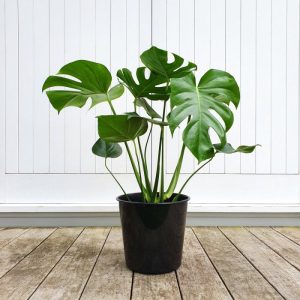
Colocasia indoor plant cultivation offers a rewarding experience, transforming your home with vibrant foliage. These striking plants, known for their dramatic leaves, aren’t as finicky as you might think. This guide delves into the specifics of successfully growing colocasia indoors, from selecting the right variety and ensuring ideal conditions to troubleshooting common problems and showcasing creative design ideas.
Whether you’re a seasoned plant parent or a beginner, we’ll equip you with the knowledge to cultivate thriving colocasia indoors.
We’ll cover everything from propagation techniques and soil requirements to pest control and aesthetic integration within your home. We’ll explore various colocasia types suited to indoor life, providing detailed care instructions to ensure your plants flourish. Get ready to bring the tropical beauty of colocasia into your living space!
Colocasia Plant Overview
Colocasias, also known as elephant ears, are striking tropical plants prized for their large, heart-shaped leaves. Several varieties are well-suited for indoor cultivation, offering a touch of the exotic to your home. Understanding their needs is key to successful indoor growing.
Colocasia Varieties for Indoor Growing
Several Colocasia cultivars thrive indoors. Popular choices include ‘Black Magic’ with its deep purple foliage, ‘Illustris’ showcasing its striking green and white variegation, and ‘Pink China’ with its characteristic pink petioles. Smaller varieties like ‘Mojito’ are also excellent choices for smaller spaces.
Ideal Growing Conditions for Indoor Colocasia
Providing the right environment is crucial for healthy indoor Colocasia growth. These plants prefer bright, indirect light, avoiding direct sunlight which can scorch their leaves. Warm temperatures between 65-80°F (18-27°C) are ideal, and consistently high humidity (above 50%) is essential to prevent leaf browning.
Colocasia Propagation Methods
Colocasias can be propagated through division of tubers or stem cuttings. Each method has its pros and cons, affecting success rate, ease of propagation, time to maturity, and resources needed.
| Method | Success Rate | Ease | Time Required | Materials Needed |
|---|---|---|---|---|
| Tuber Division | High | Easy | Several weeks to months | Sharp knife, potting mix, pots |
| Stem Cuttings | Moderate | Moderate | Several weeks to months | Sharp knife, rooting hormone (optional), potting mix, pots |
Colocasia Plant Care
Providing proper care ensures your Colocasia thrives indoors. This includes careful planting, regular monitoring for pests and diseases, appropriate watering, and fertilization.
Planting a Colocasia Tuber Indoors
- Select a pot with drainage holes, slightly larger than the tuber.
- Fill the pot with a well-draining potting mix.
- Plant the tuber with the “eyes” (growing points) facing upwards.
- Cover with a thin layer of soil.
- Water gently and place in a warm, bright location.
Common Colocasia Problems
- Pests:Aphids, spider mites, mealybugs. Regular inspection and treatment with insecticidal soap or neem oil are crucial.
- Diseases:Root rot (caused by overwatering), fungal leaf spots (caused by poor air circulation and humidity). Ensure proper watering and air circulation.
Watering Colocasia
Water thoroughly when the top inch of soil feels dry. Avoid overwatering, which leads to root rot. The frequency depends on factors like pot size, soil type, and ambient temperature and humidity. Well-draining soil is essential.
Fertilizing Colocasia
Feed your Colocasia with a balanced liquid fertilizer every 2-4 weeks during the growing season (spring and summer). Reduce or cease fertilization during the dormant period (fall and winter).
Colocasia Plant Aesthetics & Design
Colocasias add a unique aesthetic appeal to various indoor settings. Their striking foliage lends itself to a range of design styles.
Indoor Planting Schemes with Colocasia
- Modern Minimalist:A single, perfectly formed ‘Black Magic’ Colocasia in a sleek, white ceramic pot, contrasting its dark leaves against a clean backdrop.
- Tropical Lush:A grouping of various Colocasia varieties, combined with other tropical plants like ferns and philodendrons, in a large terracotta pot, creating a vibrant jungle scene.
- Bohemian:A ‘Pink China’ Colocasia in a rustic, woven basket, paired with macrame wall hangings and textured textiles, creating a relaxed, eclectic feel.
Colocasia in Different Indoor Spaces
Colocasias can enhance various indoor spaces. In living rooms, they create a focal point. In bathrooms, they thrive in the humid environment. In bedrooms, they add a touch of calming greenery.
Colocasia in a Decorative Pot
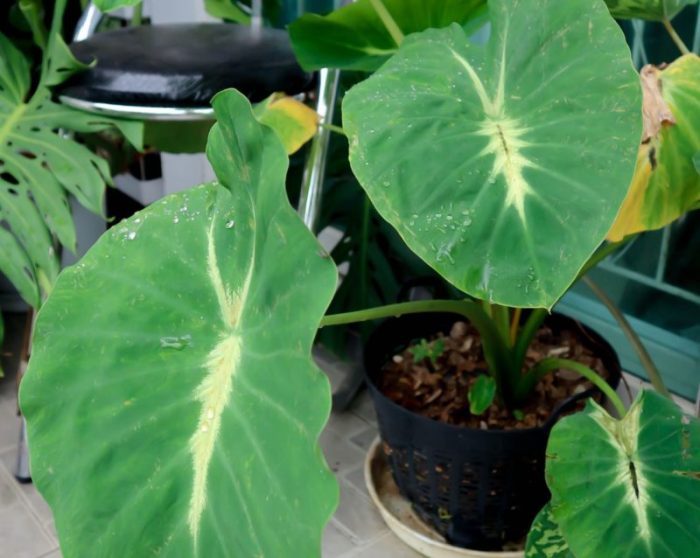
Imagine a ‘Illustris’ Colocasia, its vibrant leaves cascading from a mid-sized (12-inch diameter) matte grey ceramic pot. The pot’s simple design complements the plant’s striking foliage, creating a visually appealing contrast.
Colocasia Plant and its Environment
The pot size and material, as well as the potting mix, significantly influence Colocasia growth and health. Optimal lighting is also crucial.
Impact of Pot Size and Material, Colocasia indoor plant
Larger pots provide more space for root development, promoting larger plants. Terracotta pots allow for better aeration but can dry out faster than plastic or ceramic pots. Choosing the right pot depends on the plant size and your watering habits.
Growth in Different Potting Mixes
A well-draining potting mix is essential to prevent root rot. A mix of peat moss, perlite, and coco coir provides good drainage and aeration. Avoid heavy clay-based soils which retain too much moisture.
Optimal Indoor Lighting
Bright, indirect light is crucial. East or west-facing windows provide ideal light. Supplement with artificial grow lights during winter months or if natural light is limited. Avoid direct sunlight, which can burn the leaves.
Troubleshooting Colocasia Issues
Addressing problems promptly is key to maintaining healthy Colocasias. Recognizing symptoms and implementing appropriate treatments are crucial.
Common Colocasia Diseases
| Disease | Symptoms | Causes | Treatment |
|---|---|---|---|
| Root Rot | Wilting, yellowing leaves, soft stems | Overwatering, poor drainage | Reduce watering, improve drainage, potentially repot in fresh soil |
| Fungal Leaf Spots | Brown or black spots on leaves | High humidity, poor air circulation | Improve air circulation, treat with fungicide |
Common Colocasia Pests
- Aphids:Small, soft-bodied insects that suck sap from leaves. Control with insecticidal soap or neem oil.
- Spider Mites:Tiny mites that create webbing on leaves. Control with insecticidal soap or miticides.
- Mealybugs:Small, white, cottony insects that cluster on leaves and stems. Control with insecticidal soap or neem oil.
Solutions for Common Problems
Yellowing leaves often indicate overwatering or underwatering. Drooping leaves can be caused by underwatering, insufficient light, or temperature fluctuations. Stunted growth may result from nutrient deficiencies or rootbound conditions. Addressing the underlying cause is crucial.
Summary: Colocasia Indoor Plant
Successfully cultivating colocasia indoors adds a touch of exotic elegance to your home. By following the guidelines Artikeld in this guide – understanding light needs, proper watering techniques, and effective pest management – you can enjoy the vibrant beauty of these plants year-round.
Remember, attentive care and a little patience will reward you with healthy, thriving colocasia that brighten your indoor oasis. Experiment with different design schemes and pot choices to personalize your indoor jungle and create a space that reflects your unique style.
Q&A
What are the signs of overwatering a colocasia?
Yellowing leaves, soggy soil, and a foul odor from the soil are all indicators of overwatering.
Can I use tap water for my colocasia?
It’s best to use filtered or distilled water, as tap water can contain minerals that may harm your plant.
How often should I fertilize my indoor colocasia?
Feed your colocasia every 2-4 weeks during the growing season (spring and summer) with a balanced liquid fertilizer.
How do I repot a colocasia?
Repot when roots become root-bound, generally every 1-2 years, using a slightly larger pot and fresh potting mix.
What should I do if my colocasia leaves are drooping?
Drooping leaves can indicate underwatering, overwatering, or insufficient light. Check the soil moisture and adjust watering accordingly; also, ensure adequate light.