Amaryllis care indoor plant: These stunning blooms, known for their vibrant colors and impressive size, can thrive indoors with the right care. This guide will walk you through everything from selecting the perfect bulb to ensuring your amaryllis continues to flourish year after year, covering essential aspects like potting, watering, lighting, and pest control.
Get ready to bring the beauty of the amaryllis into your home!
Successfully cultivating amaryllis indoors requires understanding their specific needs. From choosing a healthy bulb and providing the correct potting mix to mastering the art of watering and fertilization, each step plays a crucial role in the plant’s overall health and blooming success.
This comprehensive guide aims to equip you with the knowledge to nurture your amaryllis and enjoy its spectacular flowers for years to come.
Amaryllis Bulb Selection and Preparation
Choosing the right amaryllis bulb and preparing it properly is crucial for a successful indoor bloom. A healthy bulb will reward you with stunning flowers, while a poor choice can lead to disappointment. Let’s delve into the specifics.
Amaryllis Bulb Quality Characteristics
High-quality amaryllis bulbs are firm, plump, and heavy for their size. Avoid bulbs that are soft, shriveled, or have any signs of mold or rot. The bulb’s base should be solid and free from damage. A healthy bulb will have visible neck growth, indicating readiness to sprout.
The larger the bulb’s circumference, the more flower stalks it’s likely to produce.
Bulb Preparation Before Planting
Before planting, carefully inspect the bulb. Remove any damaged or diseased scales using a sharp, clean knife. Discard any loose or decaying material. This prevents the spread of disease and encourages healthy growth. Gently remove any loose papery coverings around the base.
This allows for better root development.
Amaryllis Bulb Sizes and Bloom Times, Amaryllis care indoor plant
Amaryllis bulbs come in various sizes, generally categorized by circumference. Larger bulbs (12-14 cm circumference or greater) typically produce more flower stalks and bloom sooner than smaller bulbs (8-10 cm circumference). Smaller bulbs may take a little longer to bloom, but they will still produce beautiful flowers.
The bloom time also depends on growing conditions, like temperature and light.
Potting and Planting Your Amaryllis
Proper potting is key to successful amaryllis cultivation. The right pot and potting mix ensure good drainage and prevent root rot, common problems for these bulbs.
Ideal Pot Size and Type
Choose a pot that’s just slightly larger than the bulb’s diameter. A 6-8 inch pot is generally suitable for most amaryllis bulbs. Terracotta pots are ideal as they allow for better air circulation and prevent waterlogging. Ensure the pot has drainage holes to prevent water buildup at the base.
Creating a Well-Draining Potting Mix
A well-draining potting mix is essential for amaryllis. A good mix consists of equal parts potting soil, perlite, and coarse sand. This combination ensures proper aeration and drainage, preventing root rot. Avoid using heavy clay-based soils, as they retain too much moisture.
Planting Depth and Orientation
Plant the amaryllis bulb with about one-third of it above the soil surface. The pointed end of the bulb should face upwards. This ensures proper root development and emergence of the flower stalk. Gently firm the soil around the bulb, but don’t pack it too tightly.
Potting Mix Comparison Table
| Potting Mix | Drainage | Aeration | Suitability for Amaryllis |
|---|---|---|---|
| Potting soil only | Poor | Poor | Not Recommended |
| Potting soil + Perlite | Good | Good | Recommended |
| Potting soil + Perlite + Coarse Sand | Excellent | Excellent | Highly Recommended |
| Peat Moss Based Mix | Fair | Fair | Use with caution, amend with perlite |
Light and Temperature Needs for Indoor Amaryllis
Amaryllis thrive under specific light and temperature conditions. Understanding these requirements is vital for promoting healthy growth and abundant blooms.
Optimal Light Conditions
Amaryllis need bright, indirect light. A south-facing window (in the Northern Hemisphere) is ideal, but avoid direct sunlight, which can scorch the leaves. During winter months, supplemental grow lights may be necessary to ensure adequate light exposure. Aim for at least 6 hours of bright, indirect light daily.
Light Deficiency and Excess Issues
Insufficient light can lead to weak stems, pale leaves, and fewer flowers. Excessive light can cause leaf scorch and stunted growth. Monitor your amaryllis carefully and adjust its position as needed to maintain optimal light levels.
Ideal Temperature Range
Amaryllis prefer daytime temperatures between 65-75°F (18-24°C) and slightly cooler nighttime temperatures around 60-65°F (15-18°C). Avoid placing them near drafts or heating vents, which can cause sudden temperature fluctuations.
Light and Temperature Needs by Growth Stage
| Growth Stage | Ideal Temperature (°C) | Light Requirements |
|---|---|---|
| Bulb Development | 15-20 | Bright, indirect light |
| Flowering | 18-24 | Bright, indirect light (6+ hours) |
| Leaf Growth | 18-24 | Bright, indirect light |
| Dormancy | 10-15 | Minimal light |
Watering and Fertilizing Your Amaryllis
Proper watering and fertilizing are essential for healthy amaryllis growth and abundant blooms. Let’s explore the best practices.
Watering Schedule
Water your amaryllis thoroughly when the top inch of soil feels dry. Avoid overwatering, which can lead to root rot. During the flowering stage, increase watering slightly. Reduce watering during dormancy.
Signs of Underwatering and Overwatering
Underwatering leads to wilting leaves and dry soil. Overwatering causes yellowing leaves, soft stems, and potential root rot. Monitor the soil moisture regularly and adjust your watering schedule accordingly.
Choosing and Applying Fertilizers
Use a balanced liquid fertilizer diluted to half strength every two weeks during the active growth phase (from sprouting to flowering). Avoid fertilizing during dormancy.
Determining Fertilization Timing
Observe your amaryllis for signs of nutrient deficiency, such as pale leaves or stunted growth. If you notice these symptoms, apply fertilizer according to the package instructions. Avoid over-fertilizing, which can harm the plant.
Pest and Disease Management
Amaryllis, like other houseplants, are susceptible to pests and diseases. Early detection and preventative measures are crucial for maintaining healthy plants.
Common Pests and Diseases
Common pests include aphids, spider mites, and mealybugs. Common diseases include fungal leaf spots and root rot. These problems can significantly impact the health and appearance of your amaryllis.
Preventative Measures
Preventative measures include providing proper air circulation, avoiding overwatering, and maintaining a clean growing environment. Regularly inspect your amaryllis for any signs of pests or diseases.
Organic and Chemical Control
For pest control, consider using insecticidal soap or neem oil. For fungal diseases, use a fungicide according to the product instructions. Always follow the instructions carefully and consider the environmental impact.
Pest and Disease Control Table
| Pest/Disease | Symptoms | Control Strategies |
|---|---|---|
| Aphids | Small, soft-bodied insects; sticky leaves | Insecticidal soap, neem oil |
| Spider Mites | Fine webbing, yellow stippling on leaves | Insecticidal soap, neem oil, miticides |
| Mealybugs | White, cottony masses on leaves and stems | Isopropyl alcohol, insecticidal soap |
| Root Rot | Yellowing leaves, soft stems, foul odor | Improve drainage, fungicide |
After Blooming Care for Your Amaryllis
Once your amaryllis finishes blooming, proper care is essential for encouraging reblooming and maintaining the bulb’s health.
Post-Flowering Care
Continue to water and fertilize your amaryllis as needed until the leaves naturally begin to die back. This typically occurs several weeks after flowering. Once the leaves have yellowed and withered, reduce watering significantly.
Encouraging Reblooming
To encourage reblooming, allow the amaryllis to enter a dormancy period. This involves reducing watering and withholding fertilizer. Store the bulb in a cool, dark, and dry place for several months (usually 8-10 weeks).
Bulb Storage During Dormancy
After the foliage dies back, carefully remove the bulb from the pot. Remove any remaining soil and allow the bulb to dry for a few days. Store the bulb in a cool, dark, and dry location in a paper bag or container with good ventilation.
Dividing and Propagating Amaryllis Bulbs
After several years, you may notice smaller bulbs forming around the main bulb. These can be carefully separated and planted individually to propagate new amaryllis plants. This is best done during the dormancy period.
Troubleshooting Common Amaryllis Problems
Even with proper care, you may encounter some challenges. This section provides solutions to common amaryllis issues.
Troubleshooting Guide
- Yellowing Leaves:Potential causes include overwatering, underwatering, nutrient deficiency, or pest infestation. Solutions: Adjust watering, fertilize, check for pests.
- Drooping Flowers:Possible causes are underwatering, insufficient light, or temperature fluctuations. Solutions: Water thoroughly, improve lighting, maintain stable temperatures.
- Lack of Bloom:Potential causes include insufficient light, improper dormancy, or a small/weak bulb. Solutions: Improve lighting, ensure proper dormancy, use a larger bulb next time.
- Soft or Rotting Bulbs:Overwatering is the most likely culprit. Solutions: Improve drainage, allow soil to dry completely between waterings, use a well-draining potting mix.
- Leaf Spots:Possible causes include fungal diseases. Solutions: Improve air circulation, apply a fungicide.
Visual Guide to a Healthy Amaryllis
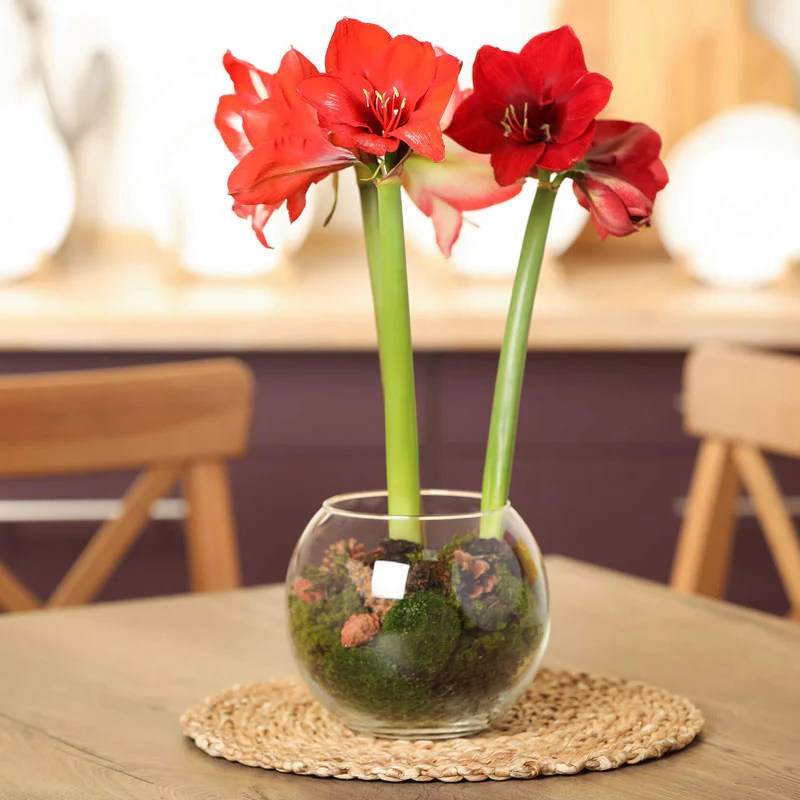
A healthy amaryllis boasts vibrant green, upright leaves with a firm texture. The stem supporting the flower(s) is strong and erect. The flowers themselves are fully formed, with rich colors and no signs of wilting or damage. The overall appearance is robust and vigorous.
The leaves are smooth and free of blemishes. The stem is sturdy and shows no signs of bending or weakness.
Signs of stress or disease can include yellowing or browning leaves, soft or mushy stems, drooping flowers, or the presence of pests. Fungal diseases may manifest as spots or discoloration on leaves. Pests, such as aphids or spider mites, are visible upon close inspection.
Last Word
Mastering amaryllis care indoors is a rewarding experience, bringing the vibrant beauty of these magnificent flowers into your home. By following the guidelines Artikeld in this guide, from bulb selection to post-bloom care, you can ensure your amaryllis thrives, rewarding you with stunning blooms season after season.
Remember, attentive observation and a little patience are key to successful amaryllis cultivation. So, choose your bulb, get potting, and enjoy the spectacular show!
Key Questions Answered: Amaryllis Care Indoor Plant
Can I grow amaryllis from seed?
Yes, but it’s a much longer process than growing from a bulb and the resulting plant may not bloom for several years.
What should I do if my amaryllis isn’t blooming?
Check for sufficient light, proper watering, and adequate fertilization. Insufficient light is a common cause of non-blooming.
How long do amaryllis blooms last?
Amaryllis blooms typically last for several weeks, depending on the variety and growing conditions.
Can I repot my amaryllis after it blooms?
Yes, you can repot your amaryllis after it finishes blooming and before the leaves start to die back, using fresh potting mix.
My amaryllis leaves are yellowing. What’s wrong?
Yellowing leaves can indicate overwatering, underwatering, or nutrient deficiencies. Check your watering schedule and consider fertilizing.