Fertilizer for amaryllis plants is crucial for vibrant blooms and healthy growth. Getting the balance right means understanding the specific nutrient needs of your amaryllis at different stages of its life cycle – from the initial bulb development to its stunning flowering period and eventual dormancy.
This guide dives into the specifics of choosing, applying, and troubleshooting fertilization for these magnificent plants, ensuring you cultivate healthy, beautiful amaryllis for years to come.
We’ll explore various fertilizer types, from granular to liquid and slow-release options, detailing their pros and cons and the best application methods for each. We’ll also tackle common issues like over-fertilization and nutrient deficiencies, providing practical solutions and preventative measures.
Whether you’re a seasoned gardener or a first-time amaryllis grower, this comprehensive guide will equip you with the knowledge to nurture your plants to their full potential.
Amaryllis Fertilizer: A Comprehensive Guide
Amaryllis, with their stunning trumpet-shaped blooms, demand specific care to thrive. Proper fertilization plays a crucial role in achieving vigorous growth, abundant flowering, and healthy bulb development. This guide details the essential aspects of fertilizing amaryllis, from understanding their nutrient needs to troubleshooting common problems.
Amaryllis Nutrient Requirements
Amaryllis plants require a balanced diet of essential macronutrients (nitrogen, phosphorus, and potassium) and micronutrients for optimal growth. Nutrient needs vary significantly throughout their life cycle, impacting bulb size, flower production, and overall plant health.
During the bulbing stage, a focus on phosphorus promotes strong root development and bulb formation. As the plant enters the flowering stage, nitrogen becomes more important for foliage growth and vibrant blooms. Finally, during dormancy, fertilization should be minimal to allow the bulb to rest and conserve energy.
Nutrient deficiencies can manifest in various ways. Nitrogen deficiency leads to pale, yellowing leaves, while phosphorus deficiency stunts growth and reduces flowering. Potassium deficiency can cause weak stems and leaf margins to brown and die back.
| Growth Stage | Optimal NPK Ratio | Description | Example |
|---|---|---|---|
| Bulbing | 1-2-3 | Emphasis on phosphorus for bulb development. | A 10-20-30 granular fertilizer diluted appropriately. |
| Flowering | 2-1-2 | Balanced nutrition supporting both foliage and bloom production. | A balanced liquid fertilizer with equal parts NPK. |
| Dormancy | 0-0-0 | Minimal to no fertilization; allow the bulb to rest. | No fertilizer application during this period. |
Types of Amaryllis Fertilizers
Several fertilizer types are suitable for amaryllis, each with its advantages and disadvantages. The best choice depends on your experience level, the growth stage of the plant, and your personal preferences.
- Granular Fertilizers:These offer slow-release nutrition, minimizing the risk of over-fertilization. However, they require more initial effort in application.
- Liquid Fertilizers:Provide immediate nutrient uptake, making them ideal for quick responses during the flowering stage. They require more frequent application and careful dilution.
- Slow-Release Fertilizers:These release nutrients gradually over time, reducing the frequency of application and minimizing the chance of nutrient burn.
Choosing the right fertilizer involves considering the amaryllis’ growth stage and soil conditions. For example, granular fertilizers are suitable for the bulbing stage, while liquid fertilizers are better for the flowering stage. Soil testing can also guide fertilizer selection, ensuring optimal nutrient levels.
Amaryllis Fertilizer Application Techniques
Correct application is key to effective fertilization. Granular fertilizers should be sprinkled around the base of the plant, avoiding direct contact with the bulb. Liquid fertilizers must be diluted according to package instructions before application. Dosage should be adjusted based on plant size and pot size; smaller plants require less fertilizer.
- Bulbing Stage:Apply a low-nitrogen, high-phosphorus granular fertilizer once a month.
- Flowering Stage:Use a balanced liquid fertilizer every two weeks, following dilution instructions carefully.
- Dormancy Stage:Withhold all fertilizer applications.
Potential Fertilizer Problems and Solutions, Fertilizer for amaryllis plants
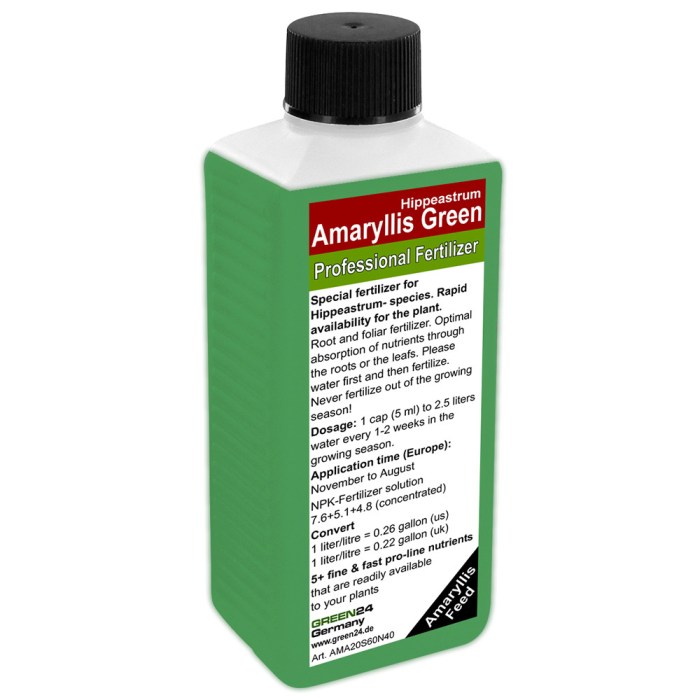
Over-fertilization can lead to salt buildup in the soil, causing leaf burn and stunted growth. Conversely, nutrient deficiencies manifest as yellowing leaves, weak stems, and reduced flowering. Identifying and addressing these issues promptly is crucial for maintaining healthy amaryllis.
| Problem | Symptoms | Solution | Prevention |
|---|---|---|---|
| Over-fertilization | Brown leaf tips, stunted growth, salt deposits on soil surface | Flush soil with plenty of water to leach out excess salts. Reduce fertilizer application. | Follow fertilizer instructions carefully, avoid over-application. |
| Nitrogen Deficiency | Pale yellow leaves, stunted growth | Apply a nitrogen-rich fertilizer. | Regular soil testing and balanced fertilization. |
| Phosphorus Deficiency | Stunted growth, poor flowering | Apply a phosphorus-rich fertilizer. | Ensure adequate phosphorus in the soil. |
Organic vs. Synthetic Fertilizers
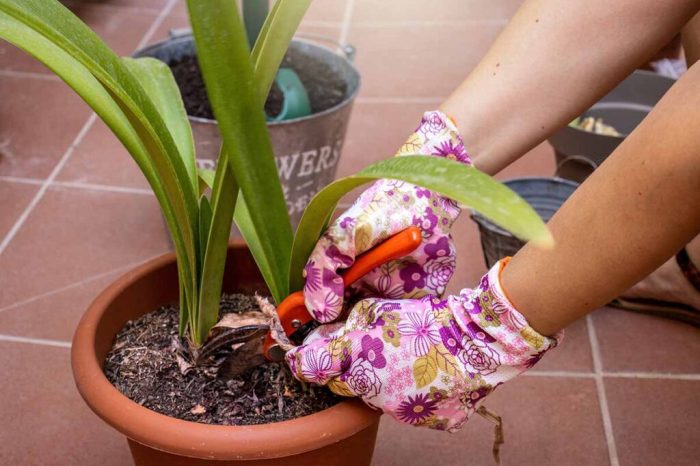
Both organic and synthetic fertilizers can successfully nourish amaryllis. Organic fertilizers, such as compost or bone meal, release nutrients slowly and improve soil structure. Synthetic fertilizers provide a more immediate and precise nutrient supply. The choice depends on personal preference and environmental concerns.
Organic fertilizers have a lower environmental impact but may require more frequent application. Synthetic fertilizers can be more efficient but may have potential negative environmental consequences if misused.
Illustrative Examples of Healthy and Unhealthy Amaryllis Plants
A healthy amaryllis displays vibrant green foliage, strong stems, and large, numerous blooms. The leaves are firm and upright, not drooping or yellowing. The flower stalks are sturdy, supporting the heavy blossoms. In contrast, an unhealthy amaryllis exhibits pale, yellowing leaves, weak stems, and fewer, smaller blooms.
The leaves may be drooping or wilting, and the flower stalks may be weak and bending.
Imagine a healthy amaryllis: its leaves are a deep, rich green, almost glowing. The stems are thick and erect, easily supporting the large, vibrant blooms. Perhaps eight to ten stunning, deep red flowers burst forth, each petal perfectly formed.
Now contrast this with an unhealthy amaryllis: the leaves are a pale, sickly yellow-green, some showing brown edges. The stems are thin and weak, barely supporting a few small, pale blooms, their petals somewhat shriveled. The overall appearance is limp and lackluster.
Closing Summary: Fertilizer For Amaryllis Plants
Successfully fertilizing your amaryllis plants is all about understanding their needs at each growth stage. By carefully selecting the right fertilizer type, applying it correctly, and monitoring your plants for signs of deficiency or over-fertilization, you can ensure robust growth, abundant blooms, and the long-term health of your amaryllis.
Remember, a little knowledge goes a long way in nurturing these stunning plants, resulting in a spectacular display of vibrant color and elegant form. Happy gardening!
Answers to Common Questions
Can I use coffee grounds as fertilizer for amaryllis?
While coffee grounds add organic matter, they’re not a complete fertilizer and shouldn’t be your sole source of nutrients. Use them sparingly as a soil amendment, supplementing with a balanced fertilizer.
How often should I fertilize my amaryllis during dormancy?
During dormancy (typically fall and winter), you should not fertilize your amaryllis. The plant is resting and doesn’t need extra nutrients.
My amaryllis leaves are yellowing. What’s wrong?
Yellowing leaves can indicate several issues, including nutrient deficiencies (especially nitrogen), overwatering, or pests. Check your fertilization practices, watering habits, and inspect for pests before taking action.
What should I do if I accidentally over-fertilize my amaryllis?
Immediately flush the soil with plenty of water to leach out excess salts. Avoid fertilizing for a while, allowing the plant to recover. Monitor for signs of stress and adjust your watering schedule accordingly.