How to care for amaryllis plants indoors is more than just watering; it’s about understanding these striking blooms’ needs. From selecting the perfect bulb and potting mix to mastering light, temperature, and fertilization, we’ll guide you through each stage of their indoor life cycle.
This isn’t just about keeping them alive—it’s about nurturing them to their full, vibrant potential, resulting in a stunning display of blooms that will brighten your home. We’ll cover everything from troubleshooting common problems to ensuring your amaryllis thrives year after year.
Selecting and Potting Amaryllis Bulbs
Choosing the right amaryllis bulb and potting it correctly are crucial for successful indoor cultivation. A healthy bulb will produce a vibrant bloom, while improper potting can lead to stunted growth or even failure to flower. This section details the process, from bulb selection to different potting methods.
Choosing Healthy Amaryllis Bulbs
When selecting amaryllis bulbs, look for firm, plump bulbs that are free from blemishes, soft spots, or signs of mold. The larger the bulb, the more likely it is to produce multiple flower stalks. The base of the bulb should be solid and not mushy.
Avoid bulbs with any discoloration or unusual growths.
Potting an Amaryllis Bulb
Amaryllis bulbs need a pot that’s just slightly larger than the bulb itself, allowing for root growth but preventing the bulb from sitting too loosely in the soil. A 6-8 inch pot is generally suitable for a standard-sized bulb. Use a well-draining potting mix; a mix of peat moss, perlite, and vermiculite works well.
Plant the bulb with the pointed end facing upwards, burying it about one-third to one-half of its depth in the potting mix.
Potting Methods Comparison
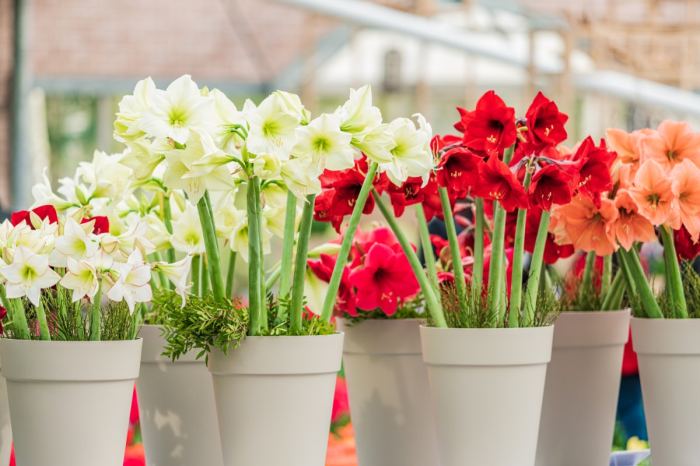
Several potting methods exist, each with its own advantages and disadvantages. Planting directly into the final pot is the most common approach. However, some gardeners prefer to start in a smaller pot and transplant once roots develop. The latter method can offer better control over watering and may reduce the risk of root rot.
Pot Material Comparison
| Material | Pros | Cons | Cost |
|---|---|---|---|
| Terracotta | Good drainage, breathable | Can dry out quickly, prone to breakage | Moderate |
| Plastic | Lightweight, inexpensive, retains moisture | Can retain too much moisture, less breathable | Low |
| Glazed ceramic | Attractive, retains moisture | Poor drainage, can overheat in direct sunlight | High |
| Wooden | Aesthetically pleasing, biodegradable | Requires special treatment to prevent rot, can be expensive | High |
Providing Adequate Light and Temperature
Amaryllis thrive in specific light and temperature conditions. Understanding these needs is crucial for successful indoor growing. This section details the optimal environment for indoor amaryllis cultivation.
Ideal Light Conditions
Amaryllis need bright, indirect sunlight. Direct sunlight can scorch their leaves. An east- or west-facing window is generally ideal, providing ample light without the harsh intensity of a south-facing window. In low-light conditions, supplemental grow lights can be used to ensure sufficient light exposure.
Impact of Temperature Fluctuations
Consistent temperatures are vital for healthy amaryllis growth and flowering. Ideal temperatures range from 65-75°F (18-24°C) during the day and slightly cooler at night. Avoid placing the plant near heating vents or drafty areas, as temperature fluctuations can stress the plant and affect blooming.
Maintaining Optimal Conditions
Maintaining the ideal environment involves careful placement of the plant and monitoring the temperature and light levels. Regularly check the temperature using a thermometer and adjust the plant’s position as needed. Supplemental lighting can be used to compensate for low light levels, especially during winter months.
Suitable Indoor Locations
| Location | Light | Temperature |
|---|---|---|
| East-facing window | Bright, indirect morning sun | Moderate |
| West-facing window | Bright, indirect afternoon sun | Moderate |
| South-facing window (with sheer curtain) | Filtered sunlight | Warm |
| Interior room (with grow light) | Supplemental light | Consistent |
Watering and Fertilizing Amaryllis
Proper watering and fertilization are essential for healthy amaryllis growth and abundant blooms. This section provides a detailed guide on these crucial aspects of amaryllis care.
Watering Schedule
Water the amaryllis thoroughly when the top inch of soil feels dry to the touch. During the active growth phase (budding and flowering), watering may be more frequent. Reduce watering after flowering, allowing the soil to dry out slightly between waterings.
Avoid letting the pot sit in standing water, as this can lead to root rot.
Importance of Drainage
Good drainage is crucial to prevent overwatering and root rot. Ensure the pot has drainage holes and use a well-draining potting mix. Excess water should drain freely from the bottom of the pot. Never allow the amaryllis to sit in standing water.
Fertilizing Guide, How to care for amaryllis plants indoors
Use a balanced liquid fertilizer diluted to half strength every two weeks during the active growth phase. Avoid fertilizing during dormancy. Over-fertilizing can damage the bulb and reduce flowering. A balanced liquid fertilizer is recommended to provide all the essential nutrients for healthy growth.
Fertilization Techniques Comparison
Liquid fertilizers are easily applied and readily absorbed by the plant. Granular fertilizers offer a slow-release option, but require careful application to avoid burning the roots. Both methods provide essential nutrients, but the choice depends on personal preference and convenience.
Amaryllis After Blooming Care
Once the amaryllis has finished blooming, proper care is essential for the bulb’s health and future flowering. This section Artikels the necessary steps for post-bloom care.
Post-Bloom Care Steps
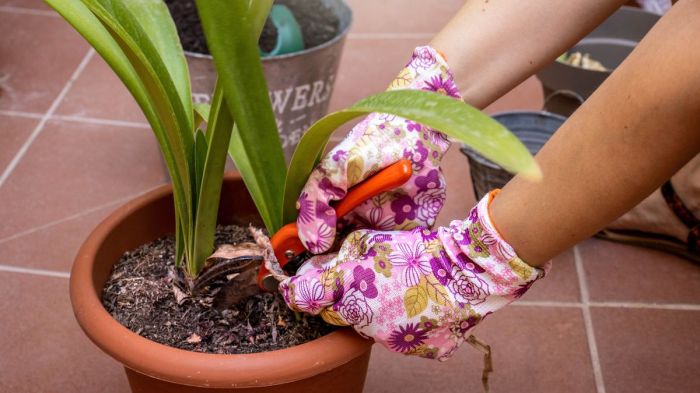
- Cut back the spent flower stalks at their base, once they begin to wilt and dry.
- Continue to water and fertilize the plant moderately, allowing the foliage to remain until it naturally yellows and dies back. This process replenishes the bulb.
- Once the foliage has completely died back, gradually reduce watering. Allow the soil to dry completely.
- Store the pot in a cool, dark, dry location (around 50-55°F or 10-13°C) for 8-10 weeks. This period of dormancy allows the bulb to rest and recharge.
- After dormancy, repot the bulb in fresh potting mix and resume watering and fertilizing, returning it to a sunny location to stimulate new growth and flowering.
Troubleshooting Common Problems
Amaryllis plants, while relatively easy to care for, can be susceptible to certain problems. Recognizing these issues early and implementing appropriate solutions is crucial for maintaining healthy plants.
Common Amaryllis Problems
Yellowing leaves often indicate overwatering or underwatering, while lack of blooms may be due to insufficient light, improper fertilization, or insufficient dormancy. Pest infestations, such as spider mites or mealybugs, can also affect amaryllis. Early detection and treatment are crucial to prevent significant damage.
Problem Solutions and Prevention
Adjust watering practices to address yellowing leaves. Ensure adequate light and fertilization for blooming. Regularly inspect the plant for pests and treat infestations promptly with appropriate insecticides. Preventative measures include maintaining good air circulation and ensuring proper drainage to minimize the risk of diseases and pest infestations.
Common Diseases and Treatments
Common diseases include fungal infections like root rot and leaf spot. Root rot is usually caused by overwatering, while leaf spot can be caused by fungal pathogens or bacterial infections. Appropriate fungicides or bactericides can be used to treat these diseases.
Good sanitation practices are crucial in preventing the spread of disease.
Problem, Cause, and Solution Summary
| Problem | Cause | Solution |
|---|---|---|
| Yellowing leaves | Overwatering, underwatering, nutrient deficiency | Adjust watering, fertilize appropriately |
| Lack of blooms | Insufficient light, improper fertilization, insufficient dormancy | Provide more light, fertilize correctly, ensure adequate dormancy |
| Pest infestation | Infestation by spider mites, mealybugs, etc. | Treat with appropriate insecticides |
| Root rot | Overwatering, poor drainage | Improve drainage, reduce watering |
Illustrative Examples of Healthy and Unhealthy Amaryllis Plants: How To Care For Amaryllis Plants Indoors
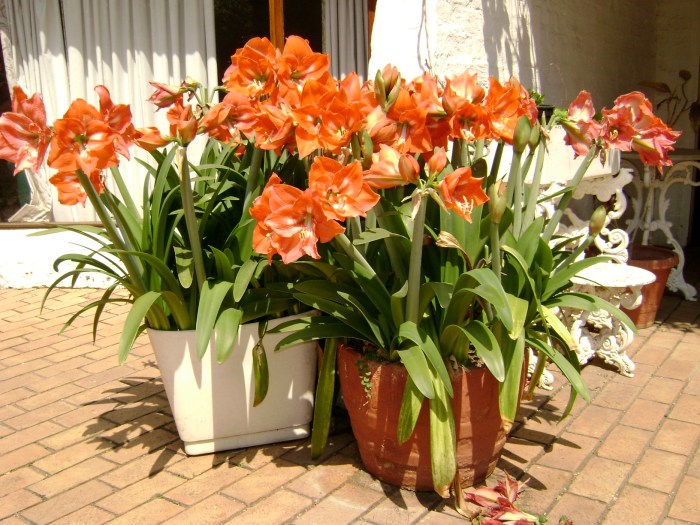
Visual assessment is a key component of amaryllis care. Understanding the characteristics of healthy and unhealthy plants allows for early detection of problems and timely intervention.
Healthy Amaryllis Characteristics
A healthy amaryllis plant displays vibrant green, firm leaves. The stem is strong and upright, supporting the flower stalks without wilting. The flowers are large, well-formed, and brightly colored, exhibiting their characteristic trumpet shape. The overall appearance is vigorous and lush.
Unhealthy Amaryllis Characteristics
An unhealthy amaryllis plant may show signs of disease or pest damage. Leaves might be yellowed, wilted, or spotted. The stem may be weak or leaning. Flowers may be small, deformed, or discolored. The overall appearance is stunted and unhealthy.
Signs of pest infestation, such as webbing or small insects, might also be visible.
Visual Health Assessment
Regularly inspect the amaryllis plant for any signs of distress. Check the leaves for discoloration, wilting, or spots. Examine the stem for strength and uprightness. Assess the flowers for size, shape, and color. Early detection of problems through visual assessment allows for prompt intervention, preventing further damage.
Last Point
Mastering the art of indoor amaryllis care unlocks a rewarding experience. By following these guidelines—from choosing the right bulb and pot to understanding their light and water needs—you’ll be well-equipped to cultivate these magnificent flowers. Remember, attention to detail, especially during the crucial after-bloom period, ensures your amaryllis will return year after year, rewarding you with breathtaking blooms.
Enjoy the beauty and satisfaction of successfully growing amaryllis indoors!
FAQ Summary
Can I use tap water to water my amaryllis?
It’s best to use filtered or distilled water to avoid chlorine and mineral buildup which can harm your plant. Let the water sit out for a day to allow chlorine to dissipate.
My amaryllis isn’t blooming. What’s wrong?
Several factors can cause this, including insufficient light, incorrect watering, or a lack of dormancy. Ensure your plant receives adequate sunlight, water it appropriately, and allow for a period of rest after blooming.
What are the signs of pest infestation?
Look for small insects, discoloration on leaves, or webbing. Common pests include aphids, mealybugs, and spider mites. Treat infestations promptly with insecticidal soap or neem oil.
How long do amaryllis blooms last?
Amaryllis blooms typically last for several weeks, depending on the variety and growing conditions. Proper care can extend their flowering period.