Care of amaryllis plant after blooming is crucial for its continued health and future flowering. This guide delves into the post-bloom care of your amaryllis, from proper watering and fertilizing techniques to understanding dormancy and successfully encouraging reblooming. We’ll cover everything you need to know to keep your amaryllis thriving, year after year.
Following the vibrant display of your amaryllis blooms, the plant enters a new phase requiring specific attention. Understanding the physiological changes the bulb undergoes is key to providing optimal care. This involves adjusting watering schedules, providing the right nutrients, and ensuring proper storage during dormancy.
Proper care now will significantly impact the plant’s health and its chances of producing stunning blooms again next season.
Amaryllis Bulb After Bloom: Post-Bloom Care
Once your amaryllis has finished its spectacular flowering display, it enters a phase of physiological change, preparing for a period of dormancy. Understanding these changes is key to ensuring your bulb’s health and future blooms. Proper care during this post-bloom period is crucial for encouraging reblooming and maintaining the bulb’s vigor.
Amaryllis Bulb Physiological Changes After Flowering
After flowering, the amaryllis bulb redirects its energy from producing flowers to storing nutrients in its bulb for future growth. The leaves remain active, continuing photosynthesis to replenish these reserves. The stem, having fulfilled its purpose, will naturally start to wither and die back.
This is a normal process and not a cause for alarm.
Watering an Amaryllis Bulb After Blooming
Watering after blooming requires a careful approach. Overwatering can lead to rot, while underwatering can weaken the bulb.
- Continue watering regularly, but reduce the frequency. Allow the top inch or two of soil to dry out between waterings.
- Avoid letting the soil become completely dry, as this can stress the bulb.
- Use lukewarm water to avoid shocking the bulb.
- Water at the base of the plant, avoiding wetting the foliage to prevent fungal diseases.
Fertilizing the Amaryllis Bulb After Flowering
While the amaryllis is still actively growing leaves, it benefits from a light feeding to replenish its energy stores. Avoid high-nitrogen fertilizers, which promote leaf growth at the expense of flower production.
- Use a balanced, water-soluble fertilizer diluted to half strength.
- Apply fertilizer every 2-3 weeks while the leaves are still green and actively growing.
- Discontinue fertilizing once the leaves begin to yellow and die back.
Leaf Care and Maintenance
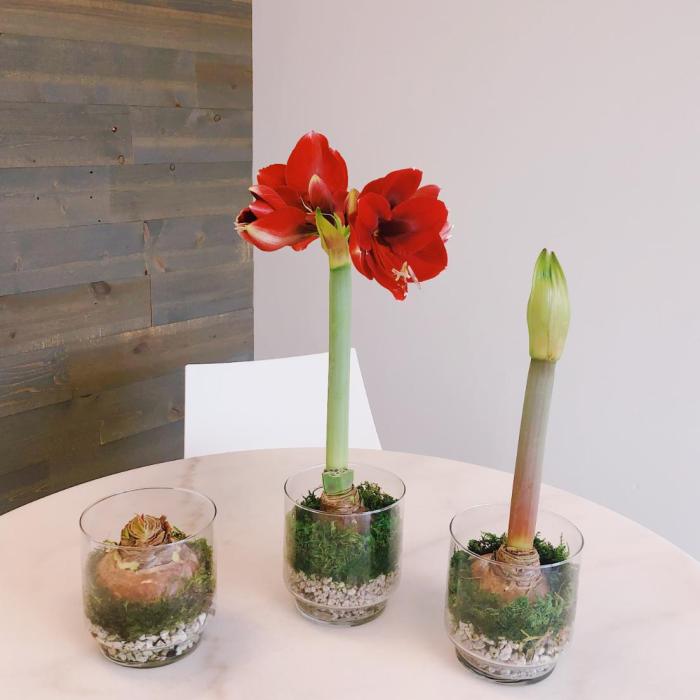
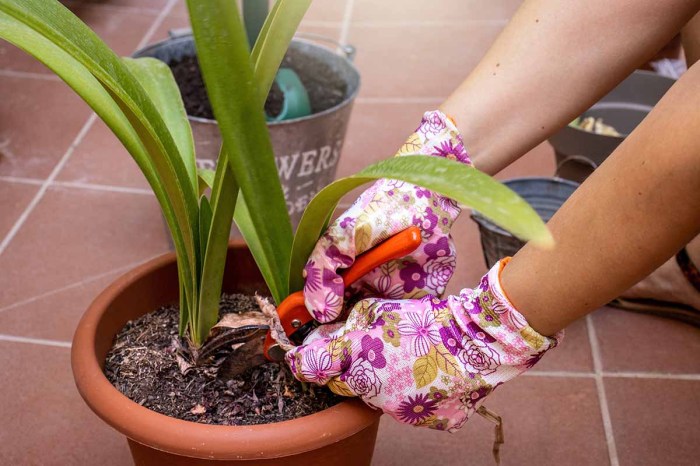
Maintaining healthy foliage is vital for the amaryllis bulb’s health, as the leaves are responsible for producing the energy the bulb needs for future growth and flowering. Proper leaf care helps prevent diseases and ensures the bulb stores enough energy for the next blooming season.
Preventing Common Leaf Diseases
Amaryllis leaves can be susceptible to various fungal and bacterial diseases. Good air circulation and avoiding overhead watering are crucial preventative measures. Inspect leaves regularly for signs of disease (spots, discoloration, wilting). Prompt treatment is key to preventing widespread infection.
Amaryllis Leaf Care Product Comparison
| Product Type | Brand Example | Key Ingredients | Benefits |
|---|---|---|---|
| Balanced Liquid Fertilizer | Miracle-Gro | NPK (e.g., 10-10-10) | Provides essential nutrients for healthy leaf growth. |
| Neem Oil | Safer Brand | Neem oil extract | Natural insecticide and fungicide; controls pests and diseases. |
| Copper Fungicide | Bonide | Copper compounds | Treats fungal leaf diseases. |
| Insecticidal Soap | Monterey | Potassium salts of fatty acids | Controls soft-bodied insects like aphids. |
Amaryllis Bulb Storage: Preparing for Dormancy: Care Of Amaryllis Plant After Blooming
After the leaves have completely died back, the amaryllis bulb enters a period of dormancy. Proper storage during this time is essential for successful reblooming the following year. This involves gradually reducing watering and providing suitable storage conditions.
Gradually Reducing Watering to Induce Dormancy
Once the leaves start to yellow and die back, gradually reduce watering. The goal is to allow the soil to dry out completely before storing the bulb, preventing rot during dormancy. Avoid watering completely for a week or two before storage.
Optimal Conditions for Storing Amaryllis Bulbs
The ideal storage environment is cool, dark, and dry. These conditions mimic the natural environment where the bulbs would experience dormancy. Temperatures between 50-55°F (10-13°C) are optimal. Humidity is not a critical factor, but excessive moisture should be avoided.
Visual Guide to Storing Amaryllis Bulbs
Once the foliage has completely withered and dried, carefully remove the bulb from the pot. Gently brush away any loose soil. Inspect the bulb for any signs of disease or damage. Place the bulb in a paper bag or a cardboard box, ensuring good air circulation.
Store in a cool, dark, and dry location (e.g., a basement, garage, or cool closet) for 8-10 weeks.
Repotting and Soil Considerations
Repotting your amaryllis after flowering is optional, but it can be beneficial if the bulb has become root-bound or the soil is depleted. Choosing the right soil mix and pot size is crucial for the bulb’s health and future growth.
Benefits and Drawbacks of Repotting
Repotting provides fresh, nutrient-rich soil, which promotes better growth. It also allows for inspection of the bulb and roots for any signs of disease or damage. However, repotting can stress the bulb if done improperly, so it’s best to only repot if necessary.
Ideal Soil Composition and Pot Size
A well-draining potting mix is crucial. A mix of peat moss, perlite, and compost provides excellent drainage and aeration. Choose a pot only slightly larger than the bulb; overcrowding can lead to rot, while an excessively large pot can lead to poor flowering.
Potting Mix Comparison
| Potting Mix Type | Pros | Cons | Suitable for Amaryllis? |
|---|---|---|---|
| Peat-based mix | Good drainage, moisture retention | Can become compacted | Yes, with added perlite |
| Coco coir mix | Excellent drainage, lightweight | May dry out quickly | Yes, with added compost |
| All-purpose potting mix | Readily available | May not drain well enough | No, unless amended with perlite or similar |
| Cactus and succulent mix | Excellent drainage | May be too low in nutrients | Yes, with added compost or fertilizer |
Troubleshooting Common Post-Bloom Issues
Even with proper care, amaryllis bulbs can encounter problems after flowering. Identifying and addressing these issues promptly is vital to the bulb’s health and future blooming cycles.
Identifying and Addressing Common Problems
Yellowing leaves can indicate underwatering, nutrient deficiency, or disease. Stem rot is usually caused by overwatering and poor drainage. Pest infestations (e.g., aphids, mealybugs) can be controlled with insecticidal soap or neem oil. Early detection and treatment are crucial.
Solutions for Common Amaryllis Diseases
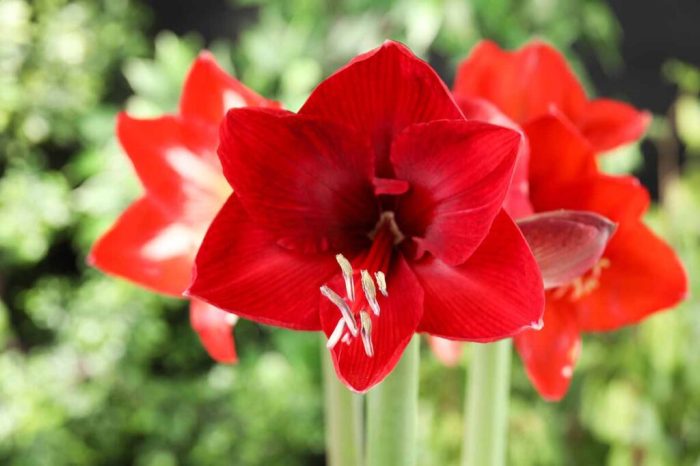
Fungal diseases often manifest as spots or discoloration on the leaves. Bacterial diseases can cause soft, mushy areas on the bulb or stem. Treat fungal diseases with appropriate fungicides. Bacterial diseases are harder to treat, and often require removing the affected parts.
Preventing Future Issues, Care of amaryllis plant after blooming
Proper watering, good air circulation, and regular inspection are key to preventing problems. Avoid overwatering, and ensure the soil drains well. Inspect the plant regularly for signs of pests or diseases, and treat them promptly. Providing appropriate light, temperature, and humidity during the growing season will also help prevent future problems.
Encouraging Reblooming
With proper care, amaryllis bulbs can reliably rebloom year after year. Understanding the factors that influence reblooming and following a few key steps can significantly increase your chances of enjoying another stunning display of flowers.
Factors Influencing Amaryllis Reblooming
The bulb’s size, the amount of energy stored during the growing season, and the provision of appropriate environmental conditions during dormancy and the subsequent growing season all play crucial roles in encouraging reblooming. Larger, healthier bulbs are more likely to rebloom.
Step-by-Step Guide to Increase Reblooming Chances
- Provide adequate light during the growing season.
- Fertilize regularly while the plant is actively growing.
- Allow the bulb to enter a period of dormancy.
- Store the bulb in a cool, dark, and dry location for 8-10 weeks.
- Repot the bulb in fresh, well-draining potting mix after dormancy.
- Resume watering and fertilizing once new growth appears.
Essential Environmental Conditions for Reblooming
Providing adequate light (at least 6 hours of sunlight per day), maintaining consistent watering, and avoiding temperature extremes are all essential for encouraging reblooming. A cool period during dormancy is crucial for initiating the next flowering cycle.
Final Summary
Mastering the art of post-bloom amaryllis care unlocks the potential for years of vibrant blooms. By following the guidelines Artikeld – from adjusting watering and fertilization to understanding dormancy and repotting techniques – you’ll not only maintain the health of your plant but also significantly increase its chances of reblooming.
Remember, attentive care after flowering is the key to a long and beautiful relationship with your amaryllis.
Clarifying Questions
How long does it take for an amaryllis to go dormant after blooming?
Usually 6-8 weeks after flowering, depending on growing conditions.
Can I use regular houseplant fertilizer on my amaryllis?
It’s best to use a balanced, water-soluble fertilizer specifically formulated for bulbs or flowering plants. Avoid over-fertilizing.
What should I do if my amaryllis leaves start yellowing?
Yellowing leaves can indicate overwatering, underwatering, or nutrient deficiencies. Check your watering schedule and consider fertilizing. Inspect for pests.
My amaryllis bulb feels soft. What’s wrong?
Softness often signals rot, usually caused by overwatering. Remove any affected areas and ensure better drainage.