Where to plant amaryllis? It’s a question many budding gardeners grapple with. These stunning blooms, known for their vibrant colors and trumpet-shaped flowers, thrive in specific conditions. Getting the location right is crucial for healthy growth and abundant blossoms.
This guide delves into the ideal growing conditions, both indoors and outdoors, to help you cultivate these beauties successfully.
From understanding optimal temperature and sunlight needs to selecting the perfect soil and container, we’ll cover every aspect of amaryllis planting. We’ll also discuss various planting techniques, post-planting care, and even explore the unique requirements of different amaryllis varieties. Whether you’re a seasoned gardener or a complete beginner, this comprehensive guide will equip you with the knowledge to nurture your amaryllis to their full potential.
Ideal Growing Conditions for Amaryllis
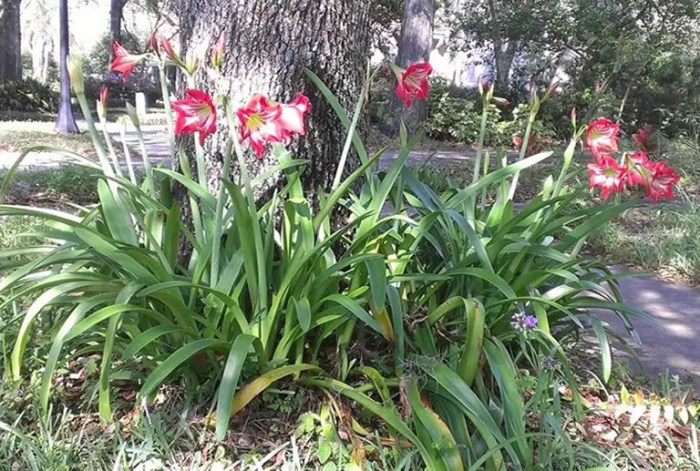
Amaryllis bulbs thrive when provided with the right conditions. Understanding their needs for temperature, sunlight, and soil is key to successful blooming. Let’s delve into the specifics to ensure your amaryllis flourishes.
Optimal Temperature Range for Amaryllis Growth
Amaryllis bulbs prefer a moderate temperature range. Ideal daytime temperatures fall between 65-75°F (18-24°C), while nighttime temperatures should ideally remain slightly cooler, around 60-65°F (15-18°C). Temperatures consistently below 50°F (10°C) can hinder growth, and prolonged exposure to temperatures above 80°F (27°C) may stress the plant.
Sunlight Requirements for Amaryllis Bulbs
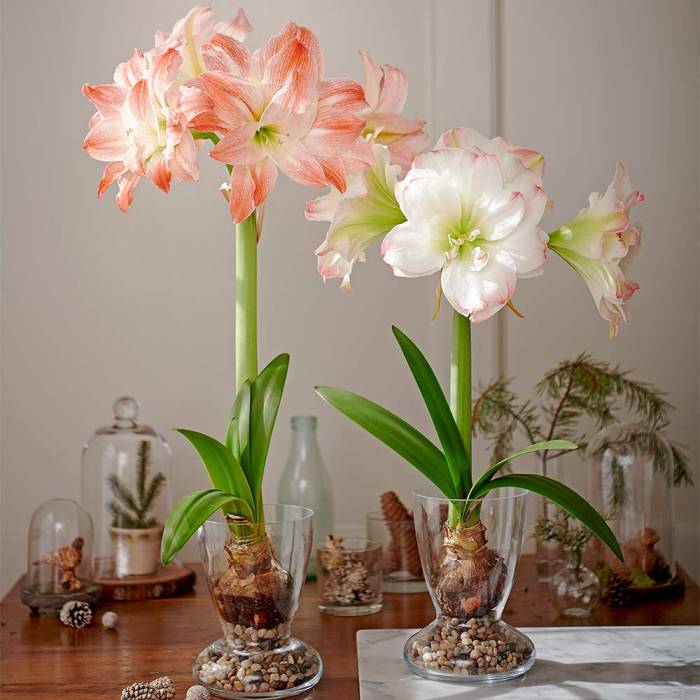
Amaryllis bulbs require ample sunlight to bloom successfully. They need at least 6-8 hours of direct sunlight daily. However, intense afternoon sun, particularly in hot climates, can scorch the leaves. Consider providing some shade during the hottest part of the day if necessary.
Ideal Soil Type and Drainage for Amaryllis
Well-draining soil is crucial for amaryllis. Poor drainage can lead to root rot, a common problem for these bulbs. The ideal soil is a loose, well-aerated mix that retains some moisture but allows excess water to drain readily.
Preparing the Soil for Planting Amaryllis Bulbs
Preparing the soil involves ensuring it’s loose, well-draining, and rich in nutrients. Here’s a step-by-step guide:
- Select a pot with drainage holes, or amend heavy clay soil outdoors with compost and perlite.
- Fill the pot or planting area with a suitable amaryllis potting mix (see table below).
- Gently loosen the soil to ensure good aeration.
- Water the soil thoroughly before planting the bulb.
Soil Mix Comparison for Amaryllis
| Soil Mix | Pros | Cons | Suitability |
|---|---|---|---|
| Potting mix + perlite | Excellent drainage, good aeration | May require more frequent watering | Indoor & Outdoor |
| Cactus & succulent mix | Excellent drainage | Can be too dry for amaryllis; may need amendments | Outdoor (with amendments) |
| Garden soil + compost + perlite | Nutrient-rich, good drainage (if amended properly) | Can become compacted; requires careful amendment | Outdoor |
| Peat moss + perlite + vermiculite | Retains moisture, good aeration | Can be acidic; may need pH adjustment | Indoor |
Choosing the Right Planting Location
The choice between indoor and outdoor planting depends on your climate and personal preferences. Each option presents advantages and disadvantages.
Indoor vs. Outdoor Planting Advantages and Disadvantages
Indoor Planting:Advantages include greater control over temperature and light, protection from harsh weather. Disadvantages include the need for supplemental lighting in winter and potentially less robust growth due to limited space.
Outdoor Planting:Advantages include more natural light and space for larger plants. Disadvantages include susceptibility to weather extremes, pests, and diseases. Successful outdoor planting requires a climate with mild winters and protection from strong winds and frost.
Selecting an Indoor Location for Amaryllis
Choose a sunny location near a south-facing window (in the Northern Hemisphere) or a west-facing window. Ensure adequate ventilation to prevent fungal diseases. Avoid placing the plant near heating vents or cold drafts.
Suitable Outdoor Locations for Amaryllis
Outdoor amaryllis need a location with at least 6 hours of direct sunlight daily, preferably morning sun. Choose a spot sheltered from strong winds and frost. A raised bed or well-drained slope can help prevent root rot.
Container Options for Amaryllis
Containers should be at least as wide as the bulb’s diameter. Terracotta pots are good for drainage, while plastic pots retain moisture longer. Ensure pots have drainage holes to prevent waterlogging.
Visual Guide to Ideal Planting Locations
Indoor:Imagine a sunny windowsill in a south-facing room (Northern Hemisphere), with the plant positioned to receive ample light but not directly in the path of intense sun. The surrounding area should be well-ventilated but free from drafts.
Outdoor:Picture a sheltered location in a garden bed or raised planter, receiving morning sun and some afternoon shade. The soil should be well-drained and the surrounding area should be protected from strong winds.
Planting Techniques and Procedures
Proper planting techniques are essential for successful amaryllis growth. The steps differ slightly depending on whether you’re planting in a pot or directly in the ground.
Planting Amaryllis Bulbs in Pots
- Choose a pot with drainage holes, slightly larger than the bulb.
- Fill the pot with a well-draining potting mix.
- Plant the bulb with one-third to one-half of it above the soil surface.
- Water gently after planting.
- Place the pot in a sunny location.
Planting Amaryllis Bulbs Directly in the Ground, Where to plant amaryllis
- Prepare the soil by amending heavy clay soil with compost and perlite to improve drainage.
- Dig a hole twice as deep as the bulb’s diameter.
- Plant the bulb with the pointed end facing upwards.
- Cover the bulb with soil, leaving one-third to one-half of it exposed.
- Water gently after planting.
Correct Depth and Spacing for Amaryllis Bulbs
Plant bulbs approximately one-third to one-half above the soil surface, regardless of planting method. Spacing should allow for adequate air circulation and prevent overcrowding. Allow at least 4-6 inches between bulbs.
Proper Handling and Planting Technique
Handle bulbs gently to avoid damaging the roots or the bulb itself. Avoid excessive handling and planting too deeply. Plant bulbs with the pointed end facing upwards.
Common Mistakes to Avoid When Planting Amaryllis
- Planting the bulb too deeply.
- Using poorly draining soil.
- Overwatering.
- Not providing enough sunlight.
- Failing to support tall stalks.
Post-Planting Care and Maintenance
Ongoing care is crucial for healthy amaryllis growth and blooming. This includes proper watering, fertilization, and pest control.
Watering Requirements for Amaryllis
Water thoroughly when the top inch of soil feels dry. Avoid overwatering, which can lead to root rot. Reduce watering frequency during dormancy.
Importance of Fertilization
Feed your amaryllis regularly during the growing season (spring and summer) with a balanced liquid fertilizer, diluted to half strength. Avoid fertilizing during dormancy.
Supporting Tall Amaryllis Stalks
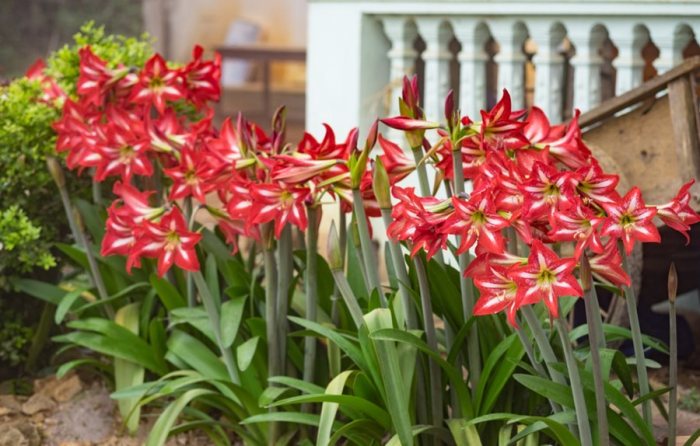
Tall amaryllis stalks may require support, especially in windy conditions or when heavily laden with blooms. Use stakes or plant supports to prevent breakage.
Preventing and Treating Amaryllis Diseases and Pests
Regularly inspect your amaryllis for signs of pests or diseases. Treat infestations promptly with appropriate insecticides or fungicides. Good air circulation and proper watering can help prevent many problems.
Regular Maintenance Schedule for Amaryllis
| Month | Task |
|---|---|
| Spring | Repot if necessary, begin fertilizing, water regularly |
| Summer | Continue fertilizing, water as needed, support tall stalks |
| Autumn | Reduce watering, stop fertilizing, allow foliage to die back |
| Winter | Keep dry and cool, minimal watering |
Amaryllis Varieties and Their Planting Needs
Different amaryllis varieties may have slightly different needs. Understanding these variations can help you choose the right variety for your growing conditions and preferences.
Comparing Planting Requirements for Different Amaryllis Varieties
While most amaryllis share similar basic needs, some varieties may be more tolerant of shade or prefer slightly different soil conditions. For example, some heirloom varieties might be hardier than modern hybrids.
Varieties Suitable for Indoor and Outdoor Planting
Many amaryllis varieties are suitable for both indoor and outdoor planting, depending on the climate. However, some more delicate hybrids might be better suited for indoor cultivation in colder climates.
Unique Characteristics and Ideal Growing Conditions of Specific Varieties
Research specific amaryllis varieties to understand their unique characteristics. Some varieties may have larger blooms, while others might be known for their fragrance or unique color patterns. Each variety might have slightly different light or temperature preferences.
Summary of Specific Needs of Popular Amaryllis Varieties
| Variety | Bloom Color | Light Needs | Soil Preference |
|---|---|---|---|
| Apple Blossom | Pink | Bright indirect light | Well-draining potting mix |
| Red Lion | Deep Red | Full sun | Well-draining potting mix |
| White Christmas | White | Bright indirect light | Well-draining potting mix |
| Double Dragon | Red with white streaks | Full sun to partial shade | Well-draining potting mix |
Concluding Remarks
Successfully planting and growing amaryllis hinges on understanding their specific needs. By carefully considering factors like sunlight, soil type, and location—whether indoors or outdoors—you can significantly increase your chances of enjoying a spectacular display of blooms. Remember to choose a suitable container, follow proper planting techniques, and maintain a consistent care routine.
With the right approach, these magnificent flowers will reward you with their breathtaking beauty year after year.
FAQs: Where To Plant Amaryllis
Can I plant amaryllis bulbs in the fall?
Yes, fall is an ideal time to plant amaryllis bulbs, especially if you plan to grow them indoors for winter blooms.
How often should I water my amaryllis?
Water thoroughly when the soil feels dry to the touch, avoiding overwatering which can lead to root rot.
What should I do with my amaryllis after it blooms?
Allow the foliage to die back naturally. Then, reduce watering and store the bulb in a cool, dry place until the next growing season.
My amaryllis is drooping. What’s wrong?
Drooping could indicate underwatering, insufficient sunlight, or pests. Check the soil moisture, sun exposure, and inspect for any signs of infestation.