How to grow an amaryllis plant is more than just planting a bulb; it’s about nurturing a vibrant bloom. This guide takes you through each step, from selecting the perfect bulb to enjoying its stunning flowers and even coaxing it to rebloom year after year.
We’ll cover everything from soil selection and proper watering techniques to dealing with pests and ensuring your amaryllis thrives.
We’ll explore the fascinating world of amaryllis cultivation, demystifying the process and empowering you to cultivate these beautiful plants successfully. Whether you’re a seasoned gardener or a complete beginner, this comprehensive guide provides clear instructions and helpful tips to ensure a rewarding experience.
Selecting and Preparing Amaryllis Bulbs
Choosing the right amaryllis bulb and preparing it properly is crucial for successful blooming. A healthy bulb will produce a stunning display of flowers, while a damaged one may fail to bloom or produce weak flowers. This section covers selecting high-quality bulbs, inspecting them for defects, and preparing them for planting.
High-Quality Amaryllis Bulb Characteristics
A high-quality amaryllis bulb is firm, plump, and free from blemishes. It should feel heavy for its size, indicating good hydration. The neck of the bulb (the top) should be firm and show no signs of decay or sprouting.
Avoid bulbs that are shriveled, soft, or have dark spots, as these are signs of damage or disease.
Inspecting for Rot or Damage
Gently examine the bulb for any signs of rot or damage. Look for soft spots, discoloration, or mold growth. If you find any suspicious areas, carefully cut away the affected tissue with a clean, sharp knife. If the rot is extensive, discard the bulb.
Preparing the Bulb for Planting
While some gardeners soak their amaryllis bulbs in water for a few hours before planting to encourage faster growth, it’s not strictly necessary. A healthy bulb will readily sprout even without soaking. If you choose to soak, do so for no more than 2-3 hours in lukewarm water.
Amaryllis Bulb Size and Bloom Time
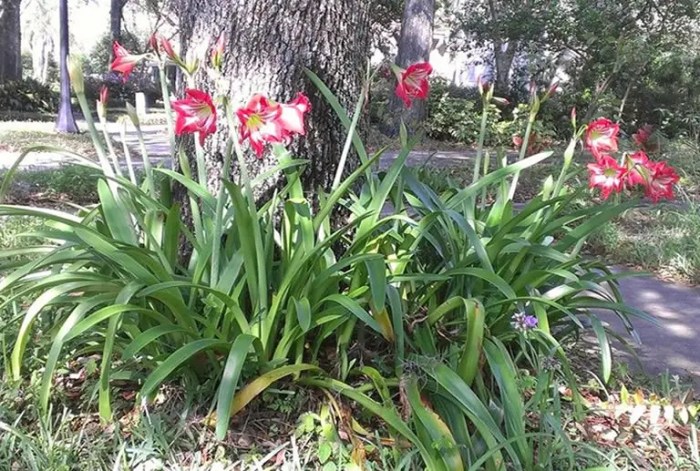
The size of the amaryllis bulb generally correlates with the number of flower stalks it will produce and the timing of its bloom. Larger bulbs tend to bloom sooner and produce more flowers.
| Bulb Size (Circumference) | Expected Bloom Time (from planting) | Number of Flower Stalks (approx.) | Flower Size (approx.) |
|---|---|---|---|
| 10-12 cm | 6-8 weeks | 1-2 | Medium |
| 12-14 cm | 5-7 weeks | 2-3 | Large |
| 14 cm+ | 4-6 weeks | 3+ | Large |
Planting the Amaryllis Bulb
Proper planting is key to a successful amaryllis bloom. This section covers choosing the right potting mix, container, and planting depth and spacing.
Ideal Potting Mix
A well-draining potting mix is essential for amaryllis. A commercially available potting mix for bulbs or cacti works well. Avoid using garden soil, as it may retain too much moisture and lead to root rot.
Planting Depth and Spacing
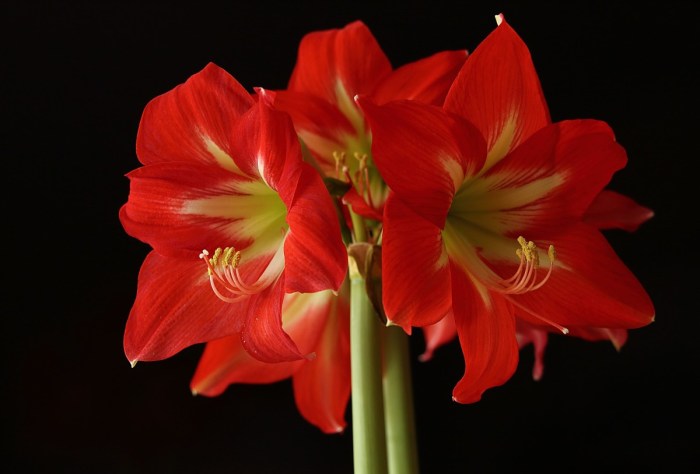
Plant the amaryllis bulb with about one-third to one-half of it above the soil surface. This allows the neck of the bulb to receive adequate light and air circulation. If planting multiple bulbs in one pot, space them several inches apart to allow for proper root development.
Container Options
Amaryllis bulbs can be grown in various containers, including standard pots, decorative planters, or even glass containers. Choose a pot that is slightly larger than the bulb, allowing for root growth. Ensure the container has drainage holes to prevent waterlogging.
Step-by-Step Planting Guide
Here’s a step-by-step guide to planting your amaryllis bulb:
- Fill the pot with the potting mix, leaving enough space at the top for the bulb.
- Make a hole in the center of the potting mix, deep enough to accommodate the bulb.
- Place the amaryllis bulb in the hole, ensuring one-third to one-half of the bulb is above the soil line.
- Gently fill the hole with the potting mix, ensuring the bulb is firmly supported.
- Water the soil gently, ensuring it is evenly moistened but not soggy.
- Place the pot in a warm, well-lit location.
Imagine a close-up view of each step: The rich, dark brown soil contrasting with the pale, almost pearly white of the bulb, the careful placement of the bulb in the hole, the gentle but firm pressing of the soil around the bulb, the slow, even watering of the soil until it’s just damp.
Providing Optimal Growing Conditions
Amaryllis thrive in specific light, temperature, and watering conditions. Providing the right environment ensures healthy growth and abundant blooms.
Light Requirements
Amaryllis need bright, indirect light. Direct sunlight can scorch the leaves. An east- or west-facing window is ideal, or a location with several hours of filtered sunlight.
Temperature Range
Amaryllis prefer daytime temperatures between 65-75°F (18-24°C) and slightly cooler night temperatures. Avoid placing them near drafts or heating vents.
Watering Techniques
Water the amaryllis thoroughly when the top inch of soil feels dry. Avoid overwatering, which can lead to root rot. Underwatering will cause the leaves to wilt. Allow the soil to dry slightly between waterings.
Light, Temperature, and Watering Summary
- Light:Bright, indirect sunlight; avoid direct sun.
- Temperature:65-75°F (18-24°C) daytime, slightly cooler nighttime.
- Watering:Water thoroughly when the top inch of soil is dry; avoid overwatering.
Amaryllis Plant Care and Maintenance
Regular care and maintenance will help your amaryllis thrive and produce beautiful blooms. This section covers fertilizing, supporting the stalk, pest and disease control, and deadheading.
Fertilizing Schedule
Fertilize your amaryllis every 2-3 weeks during its growing cycle using a balanced liquid fertilizer diluted to half strength. Stop fertilizing once the blooms fade.
Supporting the Stalk
As the amaryllis stalk grows tall and heavy, it may need support to prevent breakage. Use a stake or other support system to gently guide the stalk upright.
Pests and Diseases
Amaryllis are relatively pest-resistant, but they can be susceptible to spider mites, aphids, and fungal diseases. Regularly inspect your plant for signs of pests or diseases and treat promptly with appropriate insecticides or fungicides.
Deadheading
Once the flowers have faded, cut the flower stalk off at its base. This will prevent the plant from putting energy into seed production and encourage further growth.
After Blooming Care and Forcing Bulbs to Rebloom
After the amaryllis has finished blooming, proper care is essential to ensure it will rebloom next year. This section covers allowing the foliage to die back, storing the bulb, and techniques for forcing rebloom.
Allowing Foliage to Die Back
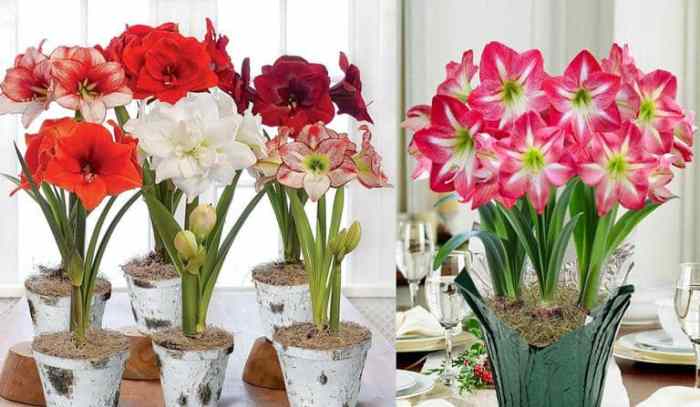
After flowering, allow the foliage to die back naturally. Do not cut it back prematurely. The plant will use the leaves to store energy for next year’s bloom.
Storing the Bulb, How to grow an amaryllis plant
Once the foliage has completely withered, carefully remove the bulb from the pot. Remove any dead leaves or roots. Allow the bulb to dry completely in a cool, dark, dry place for several weeks.
Forcing Rebloom
To force the bulb to rebloom, plant it in fresh potting mix in the fall, following the planting instructions Artikeld earlier. Provide the appropriate light, temperature, and watering conditions to encourage new growth.
Comparing Storage Methods
Several methods exist for storing amaryllis bulbs during dormancy. Storing in a cool, dry, dark location is the most common and generally effective method. Other methods, such as storing in peat moss or vermiculite, may offer slightly different results, but the basic principle of providing a cool, dark, and dry environment remains crucial.
Propagation of Amaryllis Bulbs
Amaryllis can be propagated by separating offsets (or bulbils) that grow around the mother bulb. This section details the process of separating and planting these offsets.
Propagation Methods
The most common method of propagating amaryllis is by separating offsets. These are small bulbs that develop around the base of the mother bulb. They can be carefully separated and planted individually to grow into new plants.
Separating and Planting Offsets
When separating offsets, use a sharp, clean knife to carefully cut them away from the mother bulb. Ensure each offset has some roots attached. Plant the offsets in a well-draining potting mix, following the same planting instructions as for mature bulbs.
Conditions for Successful Propagation
Provide the offsets with the same optimal growing conditions as mature amaryllis plants—bright, indirect light, warm temperatures, and consistent moisture.
Step-by-Step Propagation Guide
Imagine the process: Gently brushing away the soil to reveal the small bulbils clustered around the mother bulb. The careful use of a sharp knife to cleanly separate each offshoot, ensuring not to damage the delicate roots. Planting each small bulb in its own small pot, visualizing their future growth into beautiful flowering plants.
- Carefully remove the mother bulb from its pot and gently brush away excess soil.
- Identify the offsets around the base of the mother bulb.
- Use a sharp, clean knife to carefully separate the offsets, ensuring each has some roots attached.
- Plant the offsets in individual pots filled with well-draining potting mix.
- Water gently and provide bright, indirect light.
Last Recap
Growing an amaryllis is a rewarding journey, from the anticipation of its emergence to the breathtaking spectacle of its bloom. By following these steps, you can enjoy the vibrant beauty of this magnificent plant year after year. Remember, patience and attention to detail are key to success.
So, grab your bulb and let’s get growing!
FAQ Overview: How To Grow An Amaryllis Plant
Can I grow amaryllis outdoors?
Yes, in USDA zones 8-11, amaryllis can be grown outdoors year-round. In colder climates, treat them as container plants, bringing them indoors for winter.
What should I do if my amaryllis bulb develops mold?
Discard the affected bulb immediately to prevent spreading to other plants. Ensure good air circulation and avoid overwatering to prevent future mold growth.
How long does it take for an amaryllis to bloom?
Bloom time depends on bulb size and growing conditions, but generally, you can expect blooms within 6-10 weeks of planting.
My amaryllis leaves are yellowing. What’s wrong?
Yellowing leaves can indicate overwatering, underwatering, or nutrient deficiencies. Check your watering routine and consider fertilizing.