How to care for an amaryllis plant? It’s easier than you think! These stunning blooms, known for their vibrant colors and impressive size, reward a little TLC with months of breathtaking beauty. From choosing the perfect bulb to coaxing it into bloom and then nurturing it through dormancy, we’ll guide you through every step, ensuring your amaryllis thrives year after year.
This guide covers everything from planting and watering techniques to troubleshooting common problems and propagating new plants.
We’ll explore the ideal growing conditions, including light, temperature, and humidity, providing practical advice to help you achieve optimal growth and abundant flowering. Learn to identify signs of both healthy and unhealthy plants, and discover effective methods for dealing with pests and diseases.
Whether you’re a seasoned gardener or a complete beginner, this comprehensive guide will equip you with the knowledge and confidence to successfully cultivate these magnificent flowers.
Choosing the Right Amaryllis Bulb
Selecting a healthy amaryllis bulb is crucial for successful blooming. A good bulb will give you a beautiful display, while a poor choice can lead to disappointment. Understanding bulb characteristics and size is key to a thriving plant.
Healthy Amaryllis Bulb Characteristics
A healthy amaryllis bulb is firm, plump, and free from blemishes. The outer skin should be dry and intact, with no signs of mold, rot, or soft spots. The base of the bulb, where the roots will emerge, should be firm and undamaged.
A larger bulb generally indicates a more mature plant, potentially resulting in more blooms.
Amaryllis Bulb Sizes and Blooming
Amaryllis bulbs are often categorized by size, which influences the number of flower stalks and blooms you can expect. Larger bulbs generally produce more flowers than smaller ones. However, even smaller bulbs can still produce beautiful blooms, although potentially fewer.
Inspecting an Amaryllis Bulb Before Planting
- Visual Inspection:Carefully examine the bulb for any signs of damage, disease, or pests. Look for soft spots, mold, or unusual discoloration.
- Firmness Test:Gently squeeze the bulb. A firm, solid feel indicates a healthy bulb. A soft or mushy bulb suggests decay.
- Base Examination:Check the base of the bulb for any signs of rot or damage. This area is crucial for root development.
- Weight Assessment:A heavier bulb, for its size, often suggests better hydration and overall health.
Planting Your Amaryllis
Proper planting ensures your amaryllis bulb thrives and produces stunning blooms. The right potting mix, pot size, and planting depth are all critical factors.
Ideal Potting Mix for Amaryllis
A well-draining potting mix is essential to prevent root rot. Avoid using heavy clay-based soils. A blend of peat moss, perlite, and vermiculite is ideal.
| Potting Mix | Composition | Benefits | Drawbacks |
|---|---|---|---|
| Peat Moss/Perlite/Vermiculite | Equal parts peat moss, perlite, and vermiculite | Excellent drainage, aeration, and moisture retention | Can be expensive; peat moss is not environmentally sustainable |
| Potting Soil with Perlite | Standard potting soil amended with perlite | Readily available, relatively inexpensive | May not provide optimal drainage unless sufficient perlite is added |
| Cactus/Succulent Mix | Well-draining mix formulated for cacti and succulents | Provides excellent drainage | May be too dry for amaryllis, requiring more frequent watering |
| Coco Coir/Perlite | Mix of coco coir and perlite | Sustainable alternative to peat moss, good drainage | Can be more challenging to find than other mixes |
Planting an Amaryllis Bulb
Plant the bulb with about one-third of it showing above the soil line. This allows for proper root development and prevents the bulb from rotting. Ensure the pot has adequate drainage holes to prevent waterlogging.
Pot Size and Drainage
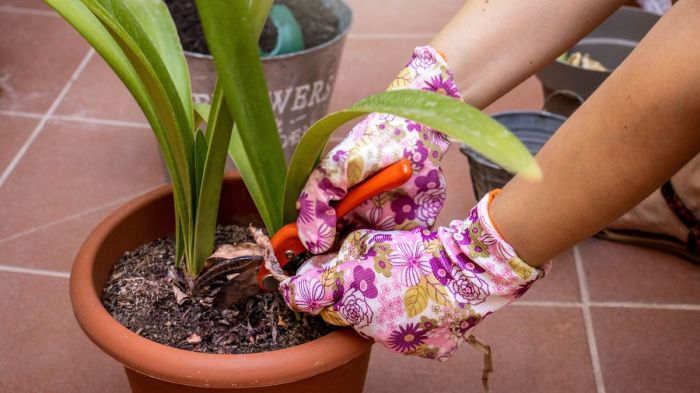
Choose a pot that’s only slightly larger than the bulb. Overly large pots can lead to excessive watering and root rot. Make sure the pot has drainage holes to prevent water from accumulating at the bottom.
Providing Ideal Growing Conditions
Amaryllis plants need specific light, water, and temperature conditions to thrive and bloom successfully. Providing these optimal conditions is crucial for healthy growth.
Light Requirements for Amaryllis
Amaryllis plants require bright, indirect light. During the blooming stage, they can tolerate a few hours of direct sunlight, but avoid intense midday sun, which can scorch the leaves. During the dormant period, they need less light.
Watering an Amaryllis
Water your amaryllis thoroughly when the top inch of soil feels dry. Avoid overwatering, which can lead to root rot. Reduce watering frequency during the dormant period.
Ideal Temperature Range for Amaryllis Growth
Amaryllis plants prefer moderate temperatures for optimal growth. Extreme temperatures can negatively impact their health and blooming.
- Ideal Temperature (65-75°F or 18-24°C):Promotes healthy growth and abundant blooming.
- Slightly Cooler Temperatures (55-65°F or 13-18°C):Can extend the blooming period.
- Warmer Temperatures (above 80°F or 27°C):Can stress the plant and reduce blooming.
- Cooler Temperatures (below 50°F or 10°C):Can cause chilling injury and damage to the plant.
Amaryllis Bloom Care
Once your amaryllis begins to bloom, proper care will help prolong the beauty of its flowers. Supporting the flower stalks and providing appropriate care are crucial during this stage.
Signs of a Healthy Amaryllis Bloom
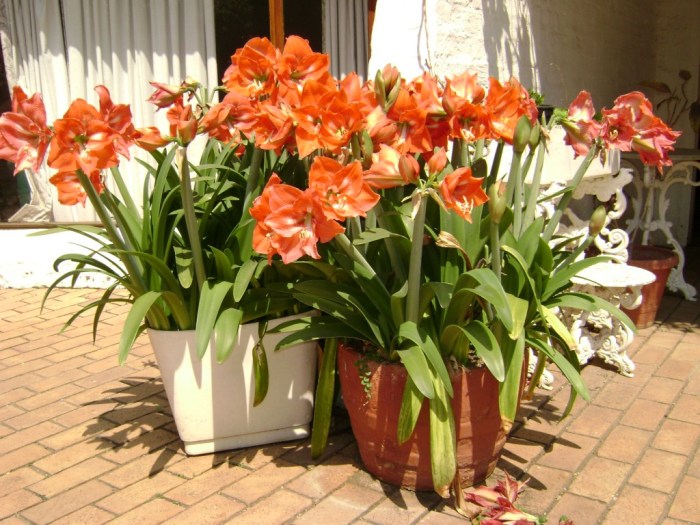
A healthy amaryllis bloom will have vibrant, richly colored petals that are firm and fully opened. The flower stalk should be strong and upright. Any signs of wilting, discoloration, or pest infestation indicate potential problems.
Supporting Heavy Flower Stalks
The heavy flower stalks of amaryllis plants may require support, especially if they are tall or if the plant is exposed to strong winds or drafts. Use stakes or plant supports to prevent bending or breaking.
Extending the Lifespan of Amaryllis Blooms
To extend the lifespan of your amaryllis blooms, keep the plant away from direct heat and drafts. Remove faded flowers promptly to encourage the development of new blooms. Regular watering, but not overwatering, is crucial to maintain bloom health.
Post-Bloom Care and Dormancy
After the amaryllis blooms fade, it enters a period of dormancy, which is essential for its survival and future blooming. Proper care during this phase is vital.
Caring for an Amaryllis After Blooming, How to care for an amaryllis plant
Once the flowers have faded, cut the flower stalk back to the base of the bulb. Continue to water sparingly, allowing the soil to dry out slightly between waterings. Reduce fertilization.
Preparing the Amaryllis Bulb for Dormancy
Gradually reduce watering after the blooms fade. Once the foliage begins to yellow and die back, stop watering completely. This signals the plant to enter dormancy.
Storing the Amaryllis Bulb During Dormancy
- Remove the foliage:Once the foliage has completely yellowed and dried, carefully remove it from the bulb.
- Clean the bulb:Gently brush off any loose soil from the bulb.
- Allow to dry:Let the bulb dry completely in a cool, dark, and dry place for a few weeks.
- Store in a cool, dark, and dry place:Store the bulb in a paper bag or container in a cool, dark, and dry place (around 50-55°F or 10-13°C) for 8-10 weeks.
- Repot and water:After the dormancy period, repot the bulb in fresh potting mix and resume watering, starting the cycle anew.
Troubleshooting Common Amaryllis Problems: How To Care For An Amaryllis Plant
Amaryllis plants, like any other plant, are susceptible to certain problems. Knowing how to identify and treat these issues is essential for maintaining a healthy plant.
Common Pests and Diseases Affecting Amaryllis Plants
Common pests include aphids, spider mites, and mealybugs. Diseases such as fungal leaf spots and root rot can also affect amaryllis plants. Symptoms may include yellowing leaves, wilting, stunted growth, and spots on the leaves or bulb.
Preventing and Treating Common Amaryllis Problems
| Problem | Symptoms | Prevention | Treatment |
|---|---|---|---|
| Root Rot | Soft, mushy bulb; wilting leaves | Well-draining soil; avoid overwatering | Remove affected parts; repot in fresh soil; fungicide (if necessary) |
| Fungal Leaf Spot | Brown or black spots on leaves | Good air circulation; avoid overhead watering | Remove affected leaves; fungicide |
| Aphids | Small, soft-bodied insects; sticky leaves | Regular inspection; insecticidal soap | Insecticidal soap; neem oil |
| Spider Mites | Fine webbing on leaves; stippling | High humidity; regular inspection | Miticide; insecticidal soap |
Addressing Issues Such as Yellowing Leaves, Lack of Blooms, and Root Rot
Yellowing leaves can be caused by overwatering, underwatering, or nutrient deficiencies. Lack of blooms can be due to insufficient light, improper dormancy, or inadequate nutrients. Root rot is often a result of overwatering and poor drainage.
Propagating Amaryllis Bulbs
Amaryllis bulbs can be propagated through offsets, which are smaller bulbs that grow around the main bulb. This allows you to expand your amaryllis collection.
Propagating Amaryllis Bulbs Through Offsets
Offsets are small bulbs that grow around the mother bulb. Once the amaryllis has finished blooming and entered dormancy, carefully remove the offsets from the mother bulb. Plant them in separate pots, using a well-draining potting mix. Provide them with bright, indirect light and water them regularly.
Requirements for Successful Propagation
Successful propagation requires healthy offsets that are large enough to support their own growth. The offsets should be free from disease or damage. Using a well-draining potting mix and providing optimal growing conditions are also crucial for successful propagation.
Separating and Planting Amaryllis Offsets
- Gently remove the offsets from the mother bulb after the dormancy period.
- Ensure each offset has some roots attached.
- Plant the offsets in separate pots filled with well-draining potting mix.
- Water gently and provide bright, indirect light.
Illustrative Examples of Amaryllis Plants
Amaryllis come in a variety of colors, shapes, and sizes. Here are descriptions of three different varieties to illustrate their diversity.
Amaryllis Variety Descriptions
‘Apple Blossom’:This variety boasts large, double blooms in shades of soft pink and white, creating a delicate and romantic appearance. The flowers are slightly cupped, giving them a fuller look. The growth habit is generally upright and compact.
‘Red Lion’:Known for its intense, fiery red blooms, ‘Red Lion’ is a classic amaryllis variety. The flowers are trumpet-shaped, with a rich, deep red color that stands out beautifully. It tends to be a strong grower with sturdy stems.
‘White Peacock’:This variety features striking white blooms with a subtle green throat. The flowers are large and elegant, with a slightly ruffled appearance. The plant itself tends to be a moderate grower.
Descriptions of Healthy and Unhealthy Amaryllis Plants
Healthy Amaryllis:A healthy amaryllis will have upright, strong stems, vibrant green leaves, and fully opened, brightly colored blooms. The leaves should be firm and free from blemishes. The bulb should be firm and plump, with no signs of rot or damage.
Unhealthy Amaryllis:An unhealthy amaryllis may exhibit yellowing or browning leaves, wilting, stunted growth, soft or mushy bulbs, and dull or discolored blooms. The presence of pests or disease may also indicate an unhealthy plant.
Last Word
Mastering the art of amaryllis care unlocks a world of vibrant color and captivating beauty. By following the simple yet effective techniques Artikeld in this guide, you can enjoy the stunning spectacle of amaryllis blooms for years to come. Remember, attentive care during each stage of the plant’s life cycle – from selecting a healthy bulb to ensuring proper dormancy – is key to its long-term health and prolific flowering.
So, grab your bulb, get potting, and prepare to be amazed!
Essential FAQs
How often should I fertilize my amaryllis?
Fertilize your amaryllis once a month during the growing season (spring and summer) with a balanced liquid fertilizer diluted to half strength.
My amaryllis leaves are drooping. What should I do?
Drooping leaves often indicate underwatering or improper drainage. Check the soil moisture and adjust your watering accordingly. Ensure your pot has adequate drainage holes.
Can I grow amaryllis outdoors?
Amaryllis can be grown outdoors in USDA zones 9-11. In colder climates, they are best grown as potted plants that can be brought indoors during winter.
How long does it take for an amaryllis to bloom?
It typically takes 6-10 weeks from planting to bloom, depending on the bulb size and growing conditions.
What should I do with the amaryllis after it finishes blooming?
After blooming, reduce watering gradually, allow the foliage to die back naturally, and then store the bulb in a cool, dark, dry place for its dormant period.