How to care for calathea plants? These striking beauties, with their vibrant foliage and often dramatic leaf movements, aren’t exactly low-maintenance. But don’t let that intimidate you! With a little understanding of their specific needs – light, humidity, watering – you can successfully cultivate these stunning plants and enjoy their captivating presence in your home.
This guide will walk you through everything you need to know, from selecting the right soil to troubleshooting common problems.
We’ll cover the basics of Calathea care, including choosing the perfect spot in your home based on light and humidity levels, mastering the art of watering (avoiding both underwatering and overwatering), and fertilizing for optimal growth. We’ll also delve into pest and disease control, propagation techniques, and provide solutions for common issues like leaf curling and browning tips.
By the end, you’ll be a Calathea expert, confident in your ability to nurture these exquisite plants to their full potential.
Understanding Calathea Needs
Calathea plants, with their stunning foliage, are a popular choice for indoor gardeners. However, their beauty comes with specific care requirements. Understanding these needs is crucial for keeping your Calathea thriving.
Ideal Environment for Calathea Plants
Calatheas prefer a humid environment, mimicking their native tropical habitats. They thrive in indirect, bright light; direct sunlight can scorch their leaves. The ideal temperature range is between 65-80°F (18-27°C). Fluctuations in temperature can stress the plant, leading to leaf curling or browning.
Consistent humidity levels are key; consider using a humidifier or pebble tray to increase moisture around the plant.
Calathea Types and Specific Care Needs
Different Calathea varieties have slightly varying needs, though the basics remain similar. The table below Artikels the light, humidity, and temperature preferences for a few popular types.
| Calathea Type | Light Needs | Humidity Needs | Temperature Needs |
|---|---|---|---|
| Calathea Orbifolia | Bright, indirect light | High humidity (above 60%) | 65-80°F (18-27°C) |
| Calathea Medallion | Bright, indirect light | High humidity (above 60%) | 65-80°F (18-27°C) |
| Calathea Zebrina | Bright, indirect light | High humidity (above 60%) | 65-80°F (18-27°C) |
| Calathea Makoyana (Peacock Plant) | Bright, indirect light | High humidity (above 60%) | 65-80°F (18-27°C) |
Suitable Soil Composition for Calathea
Well-draining soil is essential for Calathea. A soil mix that retains moisture but doesn’t become waterlogged is ideal. A good blend would include peat moss, perlite, and orchid bark to ensure proper aeration and drainage. Avoid heavy clay soils that retain too much water.
Watering Techniques
Proper watering is crucial for Calathea health. Overwatering or underwatering can quickly lead to problems.
Proper Watering Guide
Water your Calathea thoroughly when the top inch of soil feels dry. Avoid letting the soil completely dry out, but also prevent it from becoming soggy. Water until you see water draining from the drainage holes. The frequency of watering will depend on factors like the pot size, soil type, and ambient temperature and humidity.
During hotter months, you may need to water more frequently.
Signs of Underwatering and Overwatering
Underwatering:Leaves will appear dry, brittle, and curled. The soil will be completely dry to the touch. A visual description would include crisp, brown edges on the leaves, and potentially leaf drop.
Overwatering:Leaves will droop and appear yellow or brown. The soil will be consistently soggy, and you may notice a foul odor. Visually, the leaves may exhibit yellowing or browning from the bottom up, and the stem might feel soft and mushy.
Importance of Water Quality
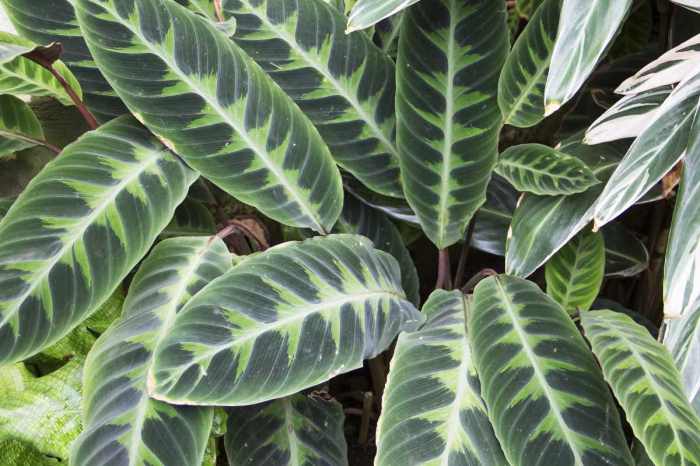
Using filtered or room-temperature water is best for Calathea. Tap water often contains minerals and chemicals that can harm the plant. Allowing tap water to sit overnight can help some of the chlorine evaporate.
Fertilizing and Soil Management: How To Care For Calathea Plant
Regular fertilization and timely repotting contribute to a healthy Calathea.
Fertilizing Schedule
Fertilize your Calathea every 2-4 weeks during the growing season (spring and summer) with a balanced, diluted liquid fertilizer. Reduce or stop fertilizing during the dormant season (fall and winter).
Repotting Process, How to care for calathea plant
- Choose a pot slightly larger than the current one, ensuring adequate drainage holes.
- Prepare a fresh well-draining soil mix.
- Gently remove the Calathea from its current pot.
- Inspect the roots and remove any damaged or rotting ones.
- Place the Calathea in the new pot, ensuring the crown is at the same level as before.
- Fill the pot with the new soil mix, gently firming it around the roots.
- Water thoroughly.
Addressing Soil-Related Problems
Nutrient deficiencies can manifest as yellowing leaves or stunted growth. Poor drainage can lead to root rot. Addressing these issues requires amending the soil with appropriate nutrients or improving drainage by adding perlite or other amendments.
Pest and Disease Control
Regular inspection and prompt action are crucial for managing pests and diseases.
Common Pests and Diseases
| Pest/Disease | Symptoms | Prevention Methods | Treatment Methods |
|---|---|---|---|
| Spider mites | Fine webbing on leaves, yellow stippling | Maintain high humidity | Neem oil or insecticidal soap |
| Mealybugs | White, cottony masses on leaves and stems | Regular inspection | Isopropyl alcohol or insecticidal soap |
| Root rot | Drooping leaves, mushy stems | Well-draining soil | Remove affected roots, repot in fresh soil |
Pest and Disease Control Methods
Natural methods, such as neem oil and insecticidal soap, are often effective against common pests. For severe infestations or diseases, chemical treatments may be necessary. Always follow the instructions on the product label.
Inspecting for Infestation or Disease
Regularly inspect your Calathea for any signs of pests or diseases, checking both the leaves and stems carefully. Early detection allows for timely intervention and prevents widespread damage.
Propagation Methods
Propagating Calathea through division is a relatively straightforward method.
Calathea Propagation through Division
- Gently remove the Calathea from its pot.
- Carefully separate the plant into smaller divisions, ensuring each division has healthy roots and leaves.
- Plant each division in a separate pot with a well-draining soil mix.
- Water thoroughly and provide high humidity.
Propagation Challenges and Success Rates
Division generally has a high success rate if done carefully. Other methods, such as leaf cuttings, are less reliable. Maintaining high humidity and warmth is key for successful propagation.
Optimal Conditions for Propagation
High humidity, warm temperatures (70-75°F), and bright, indirect light are optimal for successful Calathea propagation.
Troubleshooting Common Problems
Addressing common Calathea issues promptly can prevent serious damage.
Solutions for Common Problems
Leaf curling, browning tips, and drooping leaves are common issues. Leaf curling often indicates low humidity or temperature fluctuations. Browning tips can be caused by low humidity, fluoride in tap water, or infrequent watering. Drooping leaves are usually a sign of underwatering or overwatering.
Causes of Common Problems
These problems are often linked to improper watering, low humidity, temperature fluctuations, or poor soil drainage. Identifying the root cause is crucial for effective treatment.
Troubleshooting Flowchart
(A visual flowchart would be included here, detailing the steps to diagnose and solve common Calathea problems based on the symptoms observed. This would involve a series of decision points based on leaf appearance, soil condition, and watering frequency, leading to the appropriate solutions.)
Last Point
Caring for Calathea plants is a rewarding journey that combines understanding their unique needs with a touch of patience. By following the guidelines Artikeld above – from providing the right environment to addressing common problems – you can ensure your Calathea thrives, adding a touch of tropical elegance to your home.
Remember, observation is key; learn to recognize the subtle signs your plant is communicating, and adjust your care accordingly. With consistent attention and a bit of love, your Calathea will reward you with years of stunning foliage.
Top FAQs
What’s the best way to clean Calathea leaves?
Gently wipe the leaves with a damp, soft cloth. Avoid harsh chemicals or excessive scrubbing.
My Calathea leaves are drooping. What should I do?
Check for underwatering or overwatering. Adjust watering accordingly and ensure proper drainage. Also check for temperature fluctuations.
Can I use tap water for my Calathea?
It’s best to use filtered or room-temperature water to avoid mineral buildup that can harm the plant.
How often should I repot my Calathea?
Repot every 1-2 years, or when the roots become root-bound.
Why are the edges of my Calathea leaves browning?
This often indicates low humidity or exposure to fluoride in tap water. Increase humidity and use filtered water.