Calathea plant propagation opens a fascinating world of horticultural possibilities. These striking plants, known for their vibrant foliage patterns, can be successfully propagated through several methods, each presenting unique challenges and rewards. From the relatively straightforward division of mature plants to the more intricate process of propagating from leaf or stem cuttings, or even from seed, understanding the nuances of each technique is key to success.
This guide will delve into the specifics of each method, offering practical advice and troubleshooting tips to help you expand your Calathea collection.
We’ll explore the various Calathea species and their suitability for propagation, examining the advantages and disadvantages of each approach. We’ll cover the crucial steps involved in each method, including preparing the plant material, providing the optimal growing conditions, and addressing common problems like root rot.
By the end, you’ll be equipped with the knowledge to confidently propagate your own Calathea plants.
Calathea Plant Propagation
Calathea plants, known for their stunning foliage patterns, are popular houseplants. Propagating these beauties can be a rewarding experience, expanding your collection and sharing the joy with others. This guide explores various propagation methods, offering insights into their success rates and potential challenges.
We’ll cover division, leaf cuttings, stem cuttings, and seed propagation, providing practical steps and tips for success.
Calathea Species and Propagation Suitability
Numerous Calathea species exist, each with varying propagation suitability. While many respond well to division, success with leaf and stem cuttings can be more variable. Species with robust rhizomes generally propagate more easily through division. Factors like the plant’s overall health and the time of year also influence propagation success.
Benefits and Challenges of Propagating Calatheas
Propagating Calatheas offers the benefit of expanding your collection without the expense of buying new plants. It also allows you to share these beautiful plants with friends and family. However, challenges include the relatively slow growth rate of some species and the need for specific environmental conditions, particularly humidity, to ensure successful rooting.
Overview of Propagation Methods
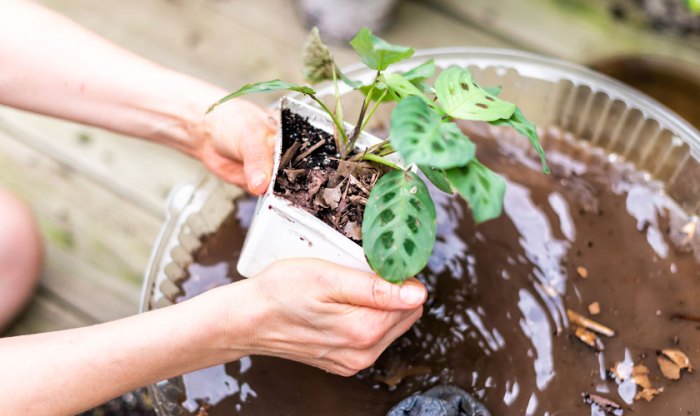
Several methods exist for propagating Calatheas, each with its own advantages and disadvantages. These include division of mature plants, propagation from leaf cuttings (though less reliable), stem cuttings, and from seed (a lengthy process). The choice of method depends on factors like the availability of mature plants and the desired speed of propagation.
Propagation by Division
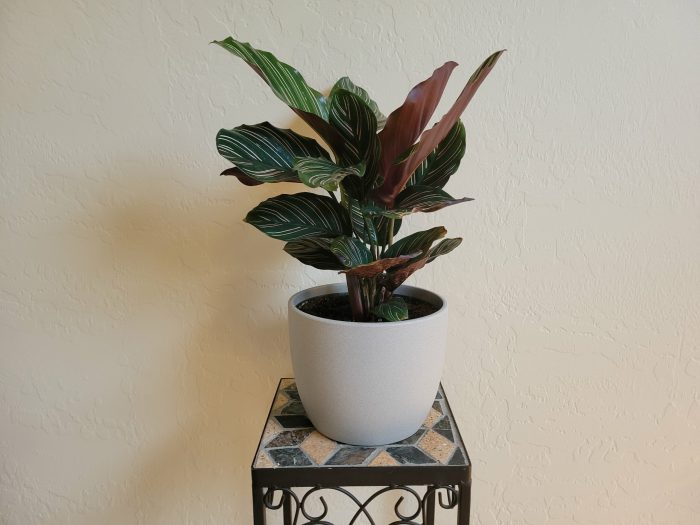
Dividing a mature Calathea is the most common and often most successful propagation method. This involves carefully separating the rhizomes to create multiple, independent plants.
- Gently remove the Calathea from its pot, carefully loosening the roots.
- Inspect the rhizome system, identifying healthy, well-developed sections with multiple shoots and roots.
- Using a clean, sharp knife or shears, carefully divide the rhizome into sections, ensuring each section has at least a few healthy leaves and roots.
- Repot each division in a well-draining potting mix suitable for Calatheas.
Healthy rhizomes are plump, firm, and free from rot or disease. Avoid sections that appear damaged or discolored.
Repotting divided Calatheas requires a well-draining potting mix to prevent root rot. Avoid overwatering.
| Potting Mix Component | Proportion | Benefits | Considerations |
|---|---|---|---|
| Peat Moss | 30% | Excellent water retention | Can become waterlogged if not well-draining |
| Perlite | 30% | Improves drainage and aeration | Can be dusty |
| Orchid Bark | 20% | Adds drainage and aeration | Can break down over time |
| Coco Coir | 20% | Water retention and aeration | Can be dense, needs good drainage amendments |
Propagation from Leaf Cuttings
Propagating Calatheas from leaf cuttings is generally less successful than other methods. While some limited success might be achieved under optimal conditions, it is not a reliable method for most Calathea species. The low success rate is due to the difficulty in developing a root system from a leaf alone.
Propagation from Stem Cuttings
Stem cuttings offer a viable alternative to division, particularly if you have a limited number of mature plants. The process involves taking healthy stem sections and encouraging root development.
- Select a healthy stem with several leaves.
- Cut the stem below a node, using a sharp, clean blade.
- Apply rooting hormone to the cut end to stimulate root growth.
- Plant the cutting in a well-draining, moist potting mix.
- Maintain high humidity (e.g., using a humidity dome or propagator) and warmth (around 70-75°F).
- Provide indirect light.
Ideal Setup for Rooting Calathea Stem Cuttings:
Envision a small, clear plastic propagator or humidity dome placed over a pot containing the stem cutting. The propagator maintains high humidity levels. The pot contains a well-draining potting mix, providing adequate moisture. The setup is placed in a location with bright, indirect light and a consistent temperature of around 70-75°F.
Regular misting may be necessary to maintain optimal humidity.
Propagation from Seed
Calathea seeds can be sown, but this is a time-consuming method with a lower success rate compared to division or stem cuttings. Germination can be slow and inconsistent.
- Collect ripe seeds from mature Calathea plants.
- Sow seeds in a well-draining seed-starting mix.
- Maintain consistently warm temperatures (around 70-75°F) and high humidity.
- Provide bright, indirect light.
Seed propagation requires patience, as it can take several months for germination and even longer for seedlings to reach a sizable size.
Troubleshooting Common Problems, Calathea plant propagation
Several issues can arise during Calathea propagation. Addressing these promptly is crucial for success.
- Problem:Root rot. Solution:Use well-draining potting mix, avoid overwatering, and ensure good air circulation.
- Problem:Slow or no growth. Solution:Ensure adequate light, warmth, and humidity. Check for pests or diseases.
- Problem:Leaf discoloration or wilting. Solution:Adjust watering, humidity, or light levels as needed. Check for pests.
- Problem:Pest infestation. Solution:Treat with appropriate insecticides or miticides.
Root rot manifests as mushy, dark-colored roots and wilting foliage. Prevention involves using well-draining soil, avoiding overwatering, and ensuring good air circulation around the plant.
Maintaining Propagated Calatheas
Newly propagated Calatheas require careful attention to thrive. Consistent care is vital for their successful establishment.
Water thoroughly when the top inch of soil feels dry. Avoid overwatering, which can lead to root rot. Fertilize sparingly with a balanced liquid fertilizer during the growing season (spring and summer). Provide bright, indirect light, avoiding direct sunlight which can scorch the leaves.
An ideal potting mix for young Calatheas would consist of a blend of peat moss, perlite, and orchid bark, providing good drainage and moisture retention.
Final Wrap-Up
Successfully propagating Calathea plants is a rewarding experience, allowing you to expand your collection and share the beauty of these unique plants. While some methods, like division, are relatively simple, others require patience and attention to detail. Remember, understanding the specific needs of each Calathea species and consistently providing the right environment are crucial for success.
By following the techniques Artikeld in this guide and paying close attention to your plants, you’ll be well on your way to enjoying a thriving Calathea collection. The journey of propagating these captivating plants is as rewarding as the final result.
Frequently Asked Questions
What is the best time of year to propagate Calatheas?
Spring and early summer are generally ideal, as the plants are actively growing.
How often should I water newly propagated Calatheas?
Water when the top inch of soil is dry, avoiding overwatering which can lead to root rot.
Can I use tap water for propagating Calatheas?
It’s best to use filtered or distilled water, as tap water may contain minerals that can harm the plants.
What type of light do propagated Calatheas need?
Bright, indirect light is best; avoid direct sunlight which can scorch the leaves.