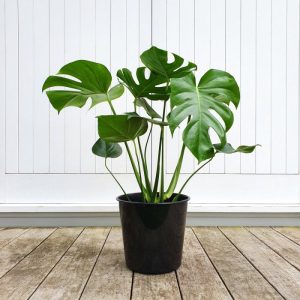
Agave plant indoor cultivation offers a unique blend of low-maintenance care and striking visual appeal. These succulents, with their architectural forms and diverse textures, bring a touch of the desert southwest to any interior space. This guide delves into the intricacies of successfully growing agave indoors, covering everything from selecting the right variety to troubleshooting common problems.
Whether you’re a seasoned plant enthusiast or a novice green thumb, this comprehensive resource will equip you with the knowledge to cultivate thriving agave plants within your home.
From choosing the perfect agave variety for your space and light conditions to mastering the art of watering and fertilizing, we’ll explore each step of the process. We’ll also address common issues like pests and diseases, providing practical solutions to keep your agave healthy and vibrant.
Discover how to seamlessly integrate these dramatic plants into your interior design, transforming your living space into a modern desert oasis.
Bringing the Desert Home: A Guide to Indoor Agave Cultivation: Agave Plant Indoor
Agave plants, with their striking architectural forms and low-maintenance nature, are increasingly popular choices for indoor landscaping. Their sculptural beauty adds a touch of the desert to any home, but successfully cultivating them indoors requires understanding their specific needs.
This guide will cover essential aspects of indoor agave care, from selecting the right variety to troubleshooting common problems.
Agave Varieties Suitable for Indoor Growing
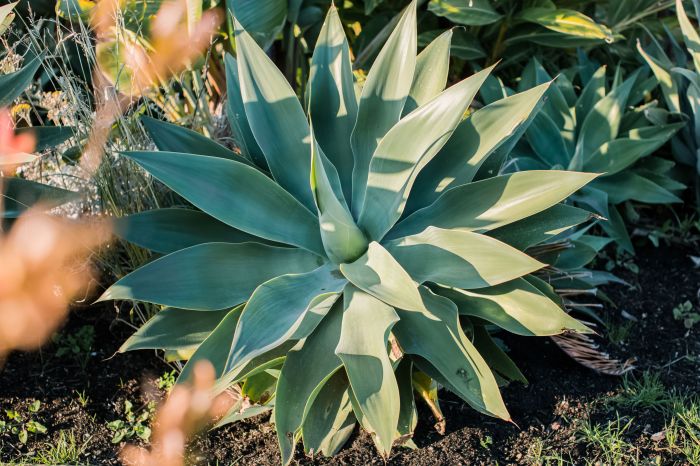
Several agave varieties thrive in indoor environments, offering a range of sizes, growth rates, and visual characteristics. Choosing the right one depends on your available space and aesthetic preferences.
| Variety | Size | Growth Rate | Care Needs |
|---|---|---|---|
| Agave victoriae-reginae (Queen Victoria Agave) | Small (up to 12 inches) | Slow | Bright light, well-draining soil, infrequent watering |
| Agave attenuata (Foxtail Agave) | Medium (up to 3 feet) | Moderate | Bright indirect light, well-draining soil, moderate watering |
| Agave stricta (Hedgehog Agave) | Small to medium (up to 2 feet) | Slow to moderate | Bright light, well-draining soil, infrequent watering |
| Agave parryi (Parry’s Agave) | Medium (up to 2 feet) | Slow | Bright light, well-draining soil, infrequent watering |
| Agave lophantha ‘Quadricolor’ | Medium (up to 2 feet) | Moderate | Bright indirect light, well-draining soil, moderate watering |
Here’s a closer look at the visual characteristics of each variety:
- Agave victoriae-reginae:Features compact rosettes of stiff, triangular leaves with distinctive white markings. The leaves are sharply pointed and have a somewhat rigid texture.
- Agave attenuata:Known for its gracefully curved, smooth leaves that lack sharp points, giving it a softer, more flowing appearance. The leaves are typically a pale green.
- Agave stricta:Forms dense rosettes of relatively short, thick leaves, giving it a spiky, almost hedgehog-like appearance. The leaves are typically a dark grayish-green.
- Agave parryi:Produces rosettes of broad, thick leaves with a bluish-green hue and sometimes reddish-brown margins. The leaves are relatively rigid and have sharp points.
- Agave lophantha‘Quadricolor’: Displays striking variegation with creamy yellow, green, and sometimes hints of pink or red stripes along the leaves. The leaves are stiff and have a slightly waxy texture.
Sunlight requirements vary slightly. Agave victoriae-reginaeand Agave strictatolerate more direct sunlight than Agave attenuataand Agave lophantha‘Quadricolor’, which prefer bright, indirect light.
Optimal Indoor Growing Conditions for Agave Plants
Providing the right environment is crucial for healthy indoor agave growth. This involves careful consideration of temperature, light, and potting mix.
The ideal temperature range for indoor agaves is between 65-80°F (18-27°C). Consistent temperatures are preferable to significant fluctuations.
Adequate lighting is paramount. A south-facing window offers the most intense light, but even then, some agaves might benefit from supplemental grow lights, especially during winter months. Grow lights, particularly full-spectrum LEDs, can provide consistent light intensity and duration.
| Potting Mix | Suitability for Agave |
|---|---|
| Standard potting soil | Poor; retains too much moisture, leading to root rot |
| Cactus and succulent mix | Excellent; well-draining and airy |
| Potting mix amended with perlite or pumice | Good; improves drainage and aeration |
A well-draining potting mix is essential to prevent root rot. Terracotta pots are ideal because they allow for better air circulation and prevent waterlogging.
Watering and Fertilizing Indoor Agave Plants
Proper watering and fertilization are key to maintaining healthy agave plants indoors. Overwatering is a common problem, leading to root rot.
A watering schedule should be adjusted based on the season, pot size, and plant size. During the growing season (spring and summer), water thoroughly when the top inch of soil is dry. Reduce watering frequency in fall and winter.
Smaller pots dry out faster than larger ones.
Signs of underwatering include shriveled leaves and dry soil. Overwatering leads to soft, mushy leaves and yellowing.
Fertilize sparingly, using a balanced, water-soluble fertilizer diluted to half strength. Apply fertilizer once a month during the growing season and discontinue fertilization in winter.
Common Problems and Solutions for Indoor Agave Plants, Agave plant indoor
Several pests and diseases can affect indoor agaves. Early detection and appropriate treatment are crucial.
- Mealybugs:Symptoms include white, cottony masses on leaves and stems. Prevention involves regular inspection. Treatment includes insecticidal soap or rubbing alcohol.
- Scale insects:Appear as small, hard bumps on leaves and stems. Prevention involves maintaining good air circulation. Treatment involves scraping off visible insects and applying insecticidal soap.
- Root rot:Caused by overwatering and poor drainage. Symptoms include soft, mushy leaves and a foul odor from the soil. Treatment involves repotting in fresh, well-draining soil and removing any affected roots.
Root rot is characterized by mushy, dark-colored roots and a foul odor. To address it, remove the plant from the pot, gently clean the roots, and remove any affected parts. Repot in fresh, well-draining soil and adjust the watering schedule.
Propagation can be achieved through offsets or leaf cuttings.
- For offsets, carefully separate the pups from the mother plant, ensuring each pup has its own root system. Plant in well-draining soil.
- For leaf cuttings, allow the cutting to callous over for a few days before planting in a well-draining mix. Maintain consistent moisture, but avoid overwatering.
Agave Plant Aesthetics and Interior Design
Agave plants can complement a variety of interior design styles, adding a unique textural and visual element.
In minimalist settings, a single, well-placed agave can serve as a striking focal point. In bohemian spaces, several smaller agaves can create a lush, layered look. Modern interiors can be enhanced with the clean lines and geometric shapes of agave plants.
Agaves can be incorporated into living rooms, bedrooms, or home offices. Their sculptural forms make them ideal conversation starters.
- Example 1:A Agave victoriae-reginaeon a minimalist side table, bathed in sunlight from a nearby window.
- Example 2:A grouping of Agave attenuatain a terracotta pot on a woven rug in a bohemian-style living room.
- Example 3:A single Agave parryiin a sleek, modern planter, positioned in a corner of a contemporary office.
Concluding Remarks
Bringing the beauty and resilience of the agave plant indoors is a rewarding experience. By understanding the specific needs of different agave varieties and providing optimal growing conditions, you can enjoy these stunning plants for years to come. Remember, careful selection of the right plant for your environment, consistent (but not excessive) watering, and appropriate lighting are key to success.
With a little patience and attention, your indoor agave will thrive, adding a touch of unique, low-maintenance elegance to your home.
Clarifying Questions
How often should I repot my indoor agave?
Repotting is generally only necessary every 2-3 years, or when the plant becomes root-bound. Choose a slightly larger pot with good drainage.
Can I propagate agave from leaves?
While possible, leaf propagation is less reliable than using offsets. Offsets are much easier to root successfully.
What are the signs of an unhealthy agave?
Signs include yellowing leaves, soft or mushy leaves (indicating rot), leaf browning (potentially sunburn or underwatering), and pest infestations.
My agave is drooping. What should I do?
Drooping can indicate underwatering, root rot, or insufficient light. Check the soil moisture, inspect the roots, and adjust lighting as needed.