How to grow agave plants? It’s a question many aspiring gardeners ask, intrigued by these striking succulents. From their architectural forms to their drought tolerance, agaves offer a unique and rewarding gardening experience. This guide delves into the intricacies of cultivating these fascinating plants, covering everything from selecting the right species to protecting them from pests and diseases.
We’ll explore various propagation methods, landscaping ideas, and essential care tips to ensure your agave thrives.
Understanding the diverse agave species is crucial for success. Some are small and compact, perfect for containers, while others grow into impressive specimens dominating a landscape. Their growth rates vary significantly, as does their hardiness across different climates.
Proper soil, sunlight, and watering are also key factors influencing their health and longevity. By following this comprehensive guide, you’ll be well-equipped to cultivate healthy and beautiful agave plants, adding a touch of desert elegance to your garden.
Choosing the Right Agave
Selecting the perfect agave for your garden depends on several factors, including your climate, available space, and personal aesthetic preferences. Different agave species vary dramatically in size, growth rate, and hardiness. Understanding these differences is crucial for successful cultivation.
Agave Species Comparison
The table below provides a comparison of several popular agave species suitable for home cultivation. Remember that growth rates and mature sizes can vary based on growing conditions.
| Species | Mature Size (approx.) | Growth Rate | Hardiness Zones |
|---|---|---|---|
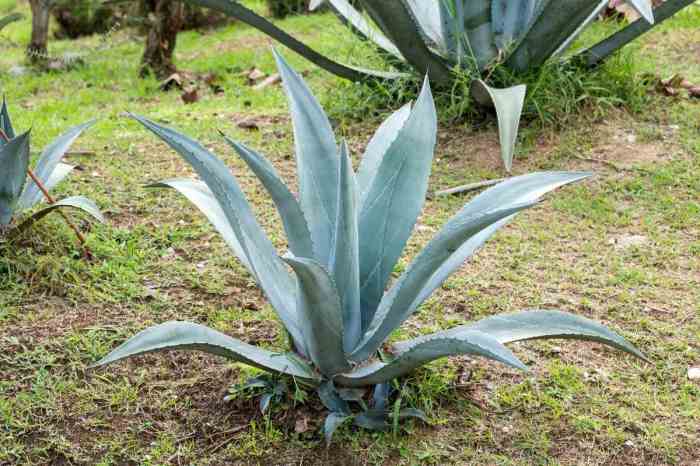
| Agave americana (Century Plant) | 6-10 ft tall, 8-12 ft wide | Slow to moderate | 7-11 |
| Agave parryi (Parry’s Agave) | 2-3 ft tall, 4-6 ft wide | Slow | 6-10 |
| Agave tequilana (Blue Agave) | 4-6 ft tall, 4-6 ft wide | Moderate | 8-11 |
| Agave attenuata (Foxtail Agave) | 3-4 ft tall, 4-6 ft wide | Moderate | 8-11 |
Agave Care Requirements
While all agaves thrive in sunny, well-drained conditions, specific needs vary. For example, Agave americanatolerates more neglect than the more delicate Agave attenuata. Proper research into your chosen species is essential.
Climate and Environment Considerations
Consider your local climate when choosing an agave. Hardiness zones indicate the range of temperatures a plant can tolerate. Select an agave species appropriate for your region’s minimum winter temperatures. Furthermore, ensure adequate space for the plant to reach its mature size.
Avoid planting agaves in areas with poor drainage, as this can lead to root rot.
Planting Your Agave
Planting an agave is a straightforward process, but proper technique ensures successful establishment and healthy growth. Follow these steps for optimal results.
Step-by-Step Planting Guide
- Prepare the soil: Amend heavy clay soils with organic matter to improve drainage. Agaves prefer well-draining soil.
- Select the planting location: Choose a sunny spot with at least six hours of direct sunlight daily. Consider the mature size of the agave to ensure adequate spacing.
- Dig the planting hole: Dig a hole slightly larger than the agave’s root ball. The depth should match the depth of the root ball.
- Plant the agave: Gently place the agave in the hole, ensuring the top of the root ball is level with the ground. Backfill with soil, firming gently around the base.
- Water thoroughly: Water deeply after planting to settle the soil and help the agave establish its roots.
Soil Composition and Drainage
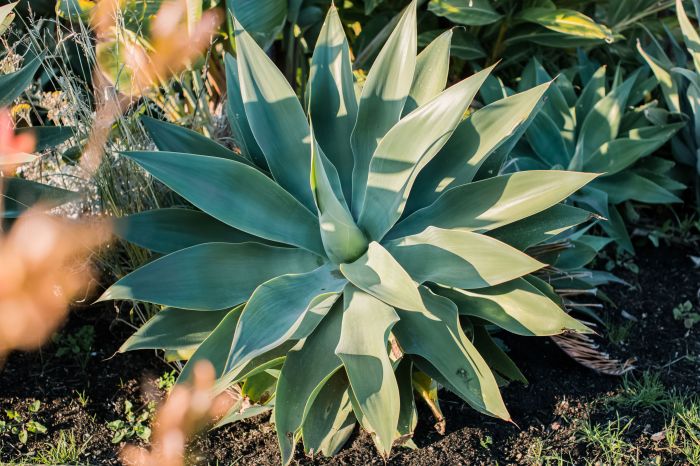
Well-draining soil is paramount for agave health. Avoid planting in areas with heavy clay soil prone to waterlogging. A sandy loam mix or a cactus and succulent potting mix works well. Amend heavy clay with perlite, pumice, or coarse sand to improve drainage.
Sunlight Exposure
Most agave species require at least six hours of direct sunlight daily. However, some varieties, like Agave attenuata, may tolerate partial shade during the hottest part of the day. Check the specific sunlight requirements for your chosen agave species.
Agave Care and Maintenance
Providing proper care ensures the longevity and aesthetic appeal of your agave plants. This includes appropriate watering, fertilization, and spacing.
Watering Techniques
Water deeply but infrequently. Allow the soil to dry completely between waterings. Overwatering is a common cause of agave problems. Reduce watering frequency during winter dormancy.
Fertilizing Schedule
Agaves are relatively low-maintenance and don’t require frequent fertilization. A balanced, slow-release fertilizer applied once or twice a year during the growing season (spring and summer) is sufficient. Avoid high-nitrogen fertilizers.
Proper Spacing, How to grow agave plant
Adequate spacing between agave plants prevents overcrowding and promotes healthy growth. Allow sufficient space for each plant to reach its mature size, considering the mature width and height of your chosen species. Overcrowding can lead to competition for resources and increased susceptibility to pests and diseases.
Protecting Your Agave from Pests and Diseases: How To Grow Agave Plant
While generally resilient, agaves can be susceptible to certain pests and diseases. Early detection and prompt treatment are crucial for preventing significant damage.
Common Pests and Diseases
| Pest/Disease | Symptoms | Prevention | Treatment |
|---|---|---|---|
| Root rot | Soft, mushy roots; wilting leaves | Well-draining soil; avoid overwatering | Remove affected roots; improve drainage; fungicide (optional) |
| Mealybugs | White, cottony masses on leaves and stems | Regular inspection; good air circulation | Isopropyl alcohol application; insecticidal soap |
| Scale insects | Small, hard bumps on leaves and stems | Regular inspection; good air circulation | Insecticidal soap; horticultural oil |
Pest and Disease Prevention
Regular inspection, proper watering, and good air circulation are key preventative measures. Maintaining healthy plants through proper care reduces susceptibility to pests and diseases.
Treatment Strategies
Treatment options range from organic methods (like insecticidal soap or neem oil) to chemical controls (depending on severity and species). Always follow label instructions carefully.
Propagation of Agave Plants
Propagating agaves allows you to expand your collection or share these striking plants with others. Several methods are available, each with its own advantages and challenges.
Propagation Methods
- Offsets:The easiest method involves separating and planting the “pups” or offsets that grow at the base of the mother plant.
- Seeds:Sowing seeds is a more time-consuming process, but it allows for greater genetic diversity.
- Leaf Cuttings:Less common, but possible with some species, leaf cuttings require careful preparation and care.
Preparing and Planting Agave Offsets
Carefully separate healthy offsets from the mother plant, ensuring each offset has its own root system. Plant them in well-draining soil and water sparingly until established.
Propagating from Seeds
Sow seeds in a well-draining seed-starting mix. Keep the soil consistently moist but not soggy. Seedlings require consistent warmth and bright, indirect light.
Agave in Landscape Design
Agaves add a striking architectural element to various landscape designs, offering a unique textural and visual impact. Their drought tolerance makes them ideal for low-maintenance landscaping.
Landscape Design Examples
- Focal point:A large agave can serve as a stunning focal point in a desert-inspired garden.
- Border planting:Smaller agave species create attractive borders along walkways or patios.
- Container gardening:Agaves can thrive in containers, adding a touch of the desert to patios or balconies.
- Rock gardens:Agaves complement the textures and colors of rock gardens beautifully.
Creating Visually Appealing Arrangements
Combine agaves with other drought-tolerant plants like succulents, yuccas, or cacti for a cohesive desert landscape. Consider contrasting textures and colors for visual interest.
Low-Maintenance Agave Garden
Choose drought-tolerant companion plants, utilize mulch to conserve moisture, and implement efficient watering strategies to create a low-maintenance agave-focused garden.
Illustrative Examples of Agave Growth Stages
Understanding the growth stages of an agave allows for better care and appreciation of these fascinating plants. The growth cycle can vary depending on species and growing conditions.
Seedling Stage
A tiny agave seedling, with a small rosette of succulent leaves, emerges from the seed. The leaves are typically thin and delicate, often a lighter shade of green than mature leaves.
Juvenile Stage
The agave develops a more pronounced rosette, with leaves becoming thicker and more robust. The characteristic spiky edges may begin to appear. Growth is relatively slow during this stage.
Mature Stage
The agave reaches its full size, displaying its mature leaf shape, color, and texture. Flowering may occur in some species, often resulting in a tall, dramatic flower stalk.
Senescence
After flowering (in monocarpic species), the agave begins to die back, completing its life cycle. However, offsets may have already developed, ensuring the continuation of the plant.
Ultimate Conclusion
Growing agave plants is a rewarding journey that combines careful planning with mindful care. By understanding the specific needs of your chosen agave species, and by following the guidance provided here on planting, maintenance, and pest control, you can successfully cultivate these beautiful and resilient plants.
Remember to choose the right agave for your climate and environment, and enjoy the unique beauty they bring to your garden. With patience and the right approach, your agave will thrive for years to come, adding a touch of desert charm to your landscape.
FAQ Insights
Can I grow agave in a pot?
Yes, many smaller agave species thrive in containers, provided you use well-draining potting mix and choose a pot with adequate drainage holes.
How often should I water my agave?
Agave plants are drought-tolerant. Water deeply but infrequently, allowing the soil to dry out completely between waterings. Overwatering is a common problem.
What kind of fertilizer should I use?
Use a balanced, slow-release fertilizer specifically formulated for succulents or cacti, applying it sparingly during the growing season (spring and summer).
What are the signs of an unhealthy agave?
Signs include yellowing or browning leaves, soft or mushy stems, and the presence of pests or diseases. Check for pests regularly.