Agave plant blooming is a remarkable event, a culmination of years of growth culminating in a dramatic display of floral architecture. This process, however, varies significantly across the numerous agave species, each with its unique lifecycle and blooming characteristics. We’ll explore the biological mechanisms behind this spectacle, from the environmental triggers to the plant’s physiological responses, delving into the fascinating world of agave reproduction and the cultural significance of this often once-in-a-lifetime event.
From the intricate structure of the agave inflorescence and the role of pollinators to the post-blooming consequences and the plant’s remarkable adaptations for survival, we’ll cover it all. We’ll also look at how to cultivate and encourage blooming in your own agave plants, providing practical tips for maximizing seed production and navigating the challenges involved.
Finally, we’ll explore the rich cultural history and diverse uses of agave blooms across different societies.
Agave Plant Blooming: A Comprehensive Overview
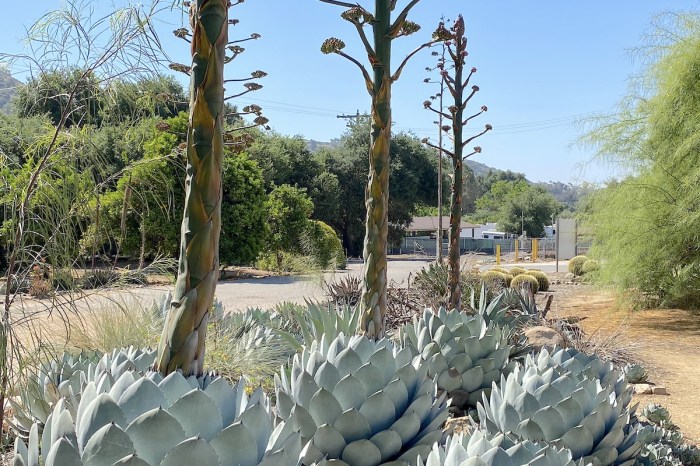
The dramatic flowering of an agave plant is a captivating spectacle, marking a pivotal moment in its life cycle. This process, often culminating in the plant’s death, is a fascinating blend of biological mechanisms and evolutionary adaptations. This article delves into the intricacies of agave blooming, exploring its lifecycle, the structure and function of the inflorescence, post-blooming consequences, cultivation techniques, and its cultural significance.
Agave Plant Blooming: The Phenomenon
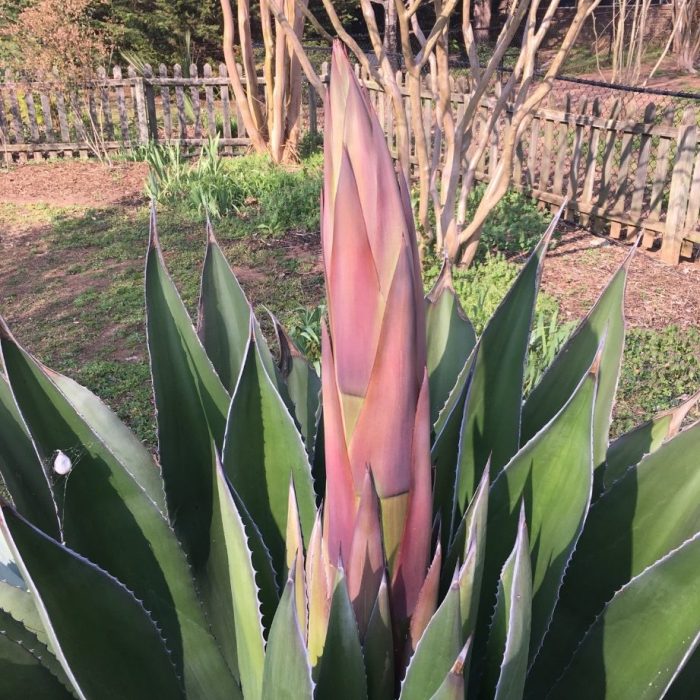
The agave’s life cycle is characterized by a prolonged vegetative phase, followed by a single, spectacular flowering event. This process is triggered by a complex interplay of internal and external factors, primarily age and environmental cues such as temperature and rainfall.
Different agave species exhibit significant variation in flowering times, ranging from a few years to several decades. The physical transformation during blooming is equally dramatic, with a towering inflorescence emerging from the plant’s heart, often exceeding the plant’s own height.
The biological triggers for blooming are not fully understood, but generally involve reaching a certain physiological maturity. Sufficient resource accumulation and hormonal changes are likely key factors. Environmental stresses can also play a role, accelerating or delaying flowering.
Physical changes during blooming are striking. The agave’s central rosette expands rapidly, producing a tall, robust stalk (inflorescence). Leaves may become smaller or even wither as the plant dedicates resources to flower production. The overall appearance transforms from a low-lying rosette to a towering, visually impressive structure.
| Agave Species | Average Flowering Age (Years) |
|---|---|
| Agave americana | 10-30 |
| Agave tequilana | 8-12 |
| Agave parryi | 15-25 |
| Agave deserti | 20-30 |
| Agave attenuata | 10-20 |
The Agave Inflorescence: Structure and Function, Agave plant blooming
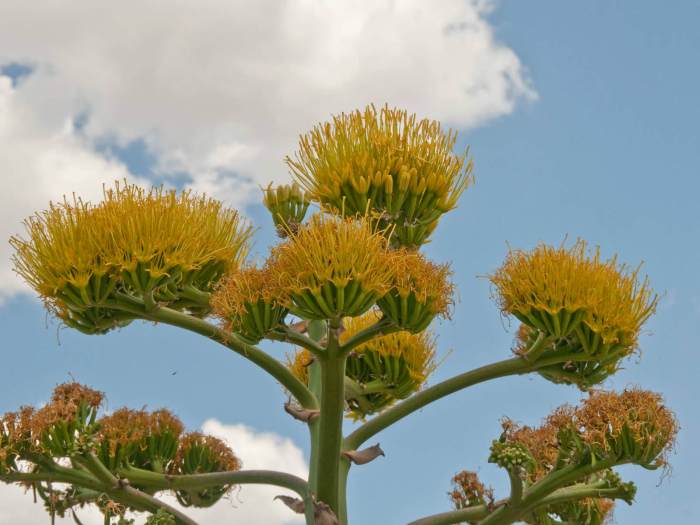
The agave inflorescence, or flower stalk, is a remarkable structure. Its height and branching pattern vary considerably depending on the species. The flowers themselves are typically arranged in dense clusters along the stalk, maximizing the chances of pollination. Pollinators, including bats, insects, and birds, play a crucial role in agave reproduction, transferring pollen between flowers.
Agave flowers are typically bisexual, possessing both male (stamens) and female (pistil) reproductive organs. Variations in flower color, shape, and size exist across different species, reflecting their adaptation to specific pollinators. The specific arrangement of flowers on the stalk promotes efficient pollination.
Post-Blooming Agave: Consequences and Adaptations
After flowering, significant physiological changes occur. The plant directs its remaining energy into seed production. Many agave species are monocarpic, meaning they flower only once in their lifetime and then die. However, some species exhibit different survival strategies, with the ability to produce offsets (pups) before or after flowering.
- Seed production and dispersal: The agave produces numerous seeds, often relying on wind or animals for dispersal.
- Offset (pup) production: Many agave species produce offsets, which are genetically identical clones of the parent plant, ensuring continued propagation.
- Nutrient reallocation: The plant redistributes remaining nutrients to support seed development and offset growth.
- Delayed senescence: Some species exhibit a slower decline after flowering, allowing for more time for offset development.
Cultivating and Observing Agave Blooms
Encouraging blooming in cultivated agave plants requires understanding their specific needs. Providing optimal growing conditions, including sufficient sunlight, well-draining soil, and appropriate watering, is crucial. Maximizing seed production involves attracting pollinators and ensuring adequate pollination. Environmental factors, such as temperature and rainfall, significantly influence flowering time.
Challenges in cultivating agave plants to flowering include ensuring the plant reaches maturity and providing the right environmental cues. Patience is key, as some species take decades to bloom.
| Factor | Ideal Condition |
|---|---|
| Sunlight | Full sun to partial shade |
| Soil | Well-draining, sandy loam |
| Watering | Infrequent, deep watering |
| Temperature | Warm to hot temperatures |
Cultural Significance and Uses of Agave Blooms
Agave blooms hold significant cultural and historical importance in many societies. In some cultures, the flowers and nectar have been used for food, beverages, and medicinal purposes. The specific uses vary depending on the agave species and cultural traditions.
Artistic representations of agave plants in bloom are also prevalent in various art forms.
Final Wrap-Up
Witnessing an agave plant bloom is a truly unforgettable experience, a testament to the resilience and beauty of nature. Understanding the complexities of this process, from the initial biological triggers to the plant’s ultimate fate, allows us to appreciate the agave’s unique place in the plant kingdom and its profound cultural significance.
Whether you’re a seasoned botanist or a curious gardener, the world of agave blooming offers a captivating journey of discovery.
Popular Questions: Agave Plant Blooming
How long does an agave bloom last?
The duration of an agave bloom varies greatly depending on the species, but generally lasts several weeks to several months.
Can I propagate an agave from its flower stalk?
No, agave flowers generally don’t produce viable plantlets. Propagation is typically done through offsets (pups) or seeds.
What should I do with the flower stalk after blooming?
You can leave the stalk to dry naturally, or you can cut it off to prevent it from draining the plant’s energy if it’s a monocarpic species.
Do all agave plants die after blooming?
Many agave species are monocarpic, meaning they bloom once and then die, but not all. Some species survive after blooming.