Agave plant care encompasses far more than simply sticking a plant in the ground and hoping for the best. These striking succulents, with their architectural forms and diverse varieties, demand a nuanced understanding to truly thrive. From understanding their sun and water needs to mastering propagation techniques, this guide delves into the essential aspects of cultivating healthy and vibrant agave plants, revealing the secrets to their captivating beauty and longevity.
We’ll explore the fascinating world of agaves, from their diverse species and historical significance to the practical aspects of planting, maintaining, and even harvesting these remarkable plants. Whether you’re a seasoned gardener or a curious beginner, this comprehensive guide will equip you with the knowledge to cultivate your own thriving agave oasis.
Agave Plants: A Gardener’s Guide
Agave plants, with their striking architectural forms and remarkable resilience, are increasingly popular among gardeners worldwide. These succulents, belonging to the Asparagaceae family, boast a surprising diversity, offering options for almost any landscape, from small patios to expansive gardens.
Their unique characteristics, combined with a rich history and cultural significance, make them a captivating addition to any green space.
Agave Varieties and Appeal
The genus Agaveencompasses hundreds of species, each with its own distinct features. Sizes vary dramatically, from small, compact varieties suitable for containers to monumental specimens that can reach several meters in height and width. Leaf shapes, colors, and textures also exhibit remarkable diversity, ranging from smooth, silvery-blue leaves to spiky, intensely green ones.
Their architectural beauty, drought tolerance, and relatively low maintenance requirements make them appealing to both novice and experienced gardeners.
Historically, agaves have held significant cultural importance in many parts of the Americas, particularly in Mexico. They have been used for centuries in the production of tequila and mezcal, as well as for fiber, food, and medicinal purposes. This rich cultural heritage adds another layer of fascination to these already captivating plants.
Agave Planting and Propagation
Propagating agaves is relatively straightforward, with several methods available depending on the species and your resources. Successful planting hinges on understanding the plant’s needs for well-draining soil and ample sunlight.
- Planting from Seeds:Agave seeds require warm temperatures and consistently moist (but not waterlogged) soil to germinate. Direct sowing is often preferred.
- Planting Pups:Many agave species produce “pups,” or offsets, which are small clones growing at the base of the mother plant. These can be carefully separated and planted individually, ensuring each pup has its own root system.
- Planting Cuttings:Some larger agave species can be propagated through stem cuttings, though this method is less common than using pups.
Ideal soil should be well-draining, sandy, or gravelly. Amend heavy clay soils with substantial amounts of organic matter such as perlite or pumice to improve drainage. Choose a sunny location, as most agaves thrive in full sun. Prepare the planting hole slightly larger than the agave’s root ball, ensuring good drainage.
Gently place the agave in the hole, backfill with soil, and water thoroughly.
Watering and Soil Management
Proper watering is crucial for healthy agave growth. Overwatering is a common cause of agave decline. Well-draining soil is essential to prevent root rot.
| Agave Type | Watering Frequency | Soil Type | Drainage Needs |
|---|---|---|---|
| Agave americana | Infrequent, deep watering during dry spells | Sandy loam | Excellent |
| Agave tequilana | Similar to A. americana | Well-draining, slightly alkaline | Essential |
| Smaller Agave species | Less frequent watering | Fast-draining mix | Excellent |
| Potted Agaves | Allow soil to dry out completely between waterings | Well-draining potting mix | Critical |
Check the soil moisture before watering. If the top inch or two of soil is dry, it’s time to water deeply. Avoid frequent, shallow watering, which can lead to shallow roots and increased susceptibility to disease.
Light and Temperature Requirements, Agave plant care
Agaves are sun-loving plants. Most varieties thrive in full sun, though some may tolerate partial shade, especially in hot climates. Extreme temperatures can stress agaves; frost can damage or kill them, while intense heat can cause leaf scorch.
In climates with frost, consider providing winter protection with mulch, frost cloth, or relocation to a sheltered area. During extreme heat, afternoon shade can be beneficial, particularly for younger plants.
Fertilizing and Nutrition
Agaves are generally slow-growing and don’t require frequent fertilization. Over-fertilizing can be detrimental. A balanced, slow-release fertilizer applied sparingly once or twice a year is usually sufficient. Signs of nutrient deficiencies may include stunted growth, pale leaves, or discoloration.
- Spring:Apply a balanced fertilizer.
- Summer:No additional fertilizer is usually needed.
- Fall:No fertilizer.
- Winter:No fertilizer.
Organic fertilizers, such as composted manure, provide nutrients slowly and improve soil structure. Inorganic fertilizers offer a more immediate nutrient boost but should be used cautiously.
Pest and Disease Control
Agaves are relatively pest-resistant, but some pests and diseases can affect them. Prevention is key, focusing on proper watering, good drainage, and overall plant health.
| Pest/Disease | Symptoms | Prevention | Control |
|---|---|---|---|
| Root Rot | Soft, mushy roots; wilting leaves | Well-draining soil; avoid overwatering | Remove affected roots; improve drainage |
| Mealybugs | White, cottony masses on leaves and stems | Regular inspection | Hand-picking; insecticidal soap |
| Scale | Small, hard bumps on leaves and stems | Regular inspection | Insecticidal soap; horticultural oil |
Chemical pesticides should be used as a last resort, following label instructions carefully. Organic control methods are generally preferred for their safety and environmental friendliness.
Agave Pruning and Maintenance
Pruning agaves involves removing dead or damaged leaves to maintain their appearance and health. Use sharp, clean pruning shears or a knife, taking care to avoid injury from the sharp leaf edges. Remove pups carefully to avoid damaging the mother plant’s roots.
Always wear gloves when handling agaves.
Agave Winter Protection
In colder climates, agaves require protection from frost to prevent damage or death. Several methods can be employed, depending on the severity of the winter and the size of the plant.
Visual Guide to Winter Protection:For smaller agaves in pots, bring them indoors to a frost-free location. Larger, established agaves in the ground can be protected with a thick layer of mulch (several inches deep) around the base of the plant. For more extreme cold, consider wrapping the agave with burlap or frost cloth, ensuring adequate ventilation to prevent rot.
Harvesting and Using Agave
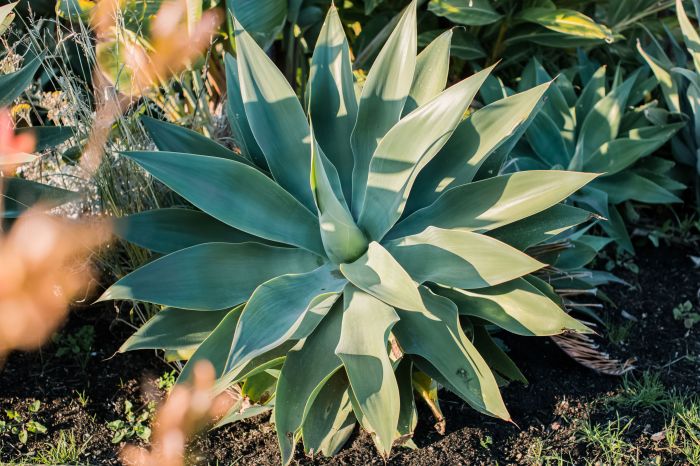
Harvesting agave for its leaves or sap requires careful consideration. The process varies depending on the agave species and intended use. Sustainable harvesting practices are crucial to ensure the long-term health of the plant and the ecosystem.
Agave leaves can be used to produce fiber for textiles and rope. The sap is used to make tequila, mezcal, and other alcoholic beverages, as well as sweeteners and syrups. Always follow safe harvesting practices to prevent injury.
Conclusive Thoughts: Agave Plant Care
Mastering agave plant care unlocks a world of rewarding experiences, from the satisfaction of nurturing these resilient plants to the potential of harvesting their valuable resources. By understanding their unique needs and employing the techniques Artikeld here, you can cultivate a thriving collection of agaves that will grace your garden for years to come.
Remember, patience and observation are key – learn to listen to your plants, and they will reward you with their striking beauty and remarkable resilience.
FAQ Overview
How often should I repot my agave?
Repotting is generally infrequent. Only repot when the agave becomes root-bound, usually every few years, or if the pot is damaged.
What are the signs of an unhealthy agave?
Signs include yellowing or browning leaves, mushy bases, stunted growth, or the presence of pests or diseases.
Can I grow agave indoors?
Some smaller agave varieties can tolerate indoor life with sufficient sunlight, but most thrive outdoors in appropriate climates.
How do I prevent agave rot?
Ensure excellent drainage, avoid overwatering, and provide adequate airflow around the plant.