Agave plant watering is more nuanced than simply giving your plant a drink when it looks thirsty. Understanding the specific needs of your agave, considering factors like its age, the climate, and the type of soil, is crucial for its health and longevity.
This guide delves into the intricacies of proper agave hydration, ensuring your spiky friend thrives.
From choosing the right watering technique and soil mix to recognizing the signs of underwatering and overwatering, we’ll cover everything you need to know to become an agave watering expert. We’ll explore different agave varieties and their unique water requirements, offering practical tips and troubleshooting advice to help you avoid common pitfalls and keep your agave happy and healthy.
Agave Plant Watering: A Comprehensive Guide
Agave plants, known for their striking architectural forms and drought tolerance, require a careful watering approach to thrive. Overwatering is a common problem, leading to root rot and plant death, while underwatering can stunt growth and affect their aesthetic appeal.
This guide provides a detailed understanding of agave watering needs, covering frequency, techniques, and troubleshooting.
Agave Plant Watering Frequency
The ideal watering schedule for agave plants depends on several factors, including the specific agave variety, climate, pot size, soil type, and the plant’s age. Generally, agaves prefer infrequent, deep watering to frequent, shallow watering.
Mature agaves, with their established root systems, are more drought-tolerant than younger plants. Young agaves, still developing their root systems, require slightly more frequent watering, but still less than most other succulents.
Hot, dry climates demand less frequent watering than cooler, humid climates. Well-draining soil is crucial for preventing waterlogging, while larger pots retain moisture longer than smaller ones.
| Factor | Young Agave | Mature Agave | Climate |
|---|---|---|---|
| Watering Frequency (Summer) | Every 1-2 weeks | Every 2-4 weeks | Adjust based on rainfall and temperature; less frequent in hot, dry climates. |
| Watering Frequency (Winter) | Once a month or less | Once a month or less, or even less frequently | Reduce watering significantly or cease entirely during dormancy, especially in cooler climates. |
| Pot Size | Smaller pots require more frequent watering. | Larger pots retain moisture longer. | N/A |
| Soil Type | Well-draining soil is crucial for both. | Well-draining soil is crucial for both. | N/A |
Recognizing Signs of Underwatering and Overwatering
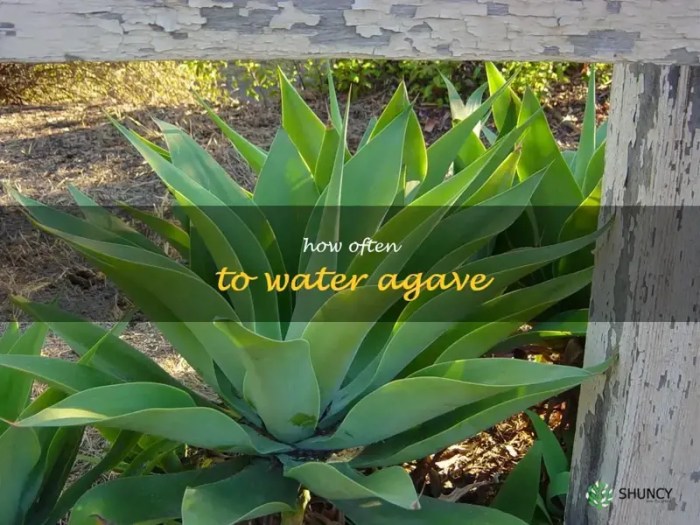
Understanding the visual cues of underwatering and overwatering is key to maintaining healthy agave plants. Early detection allows for timely intervention, preventing irreversible damage.
- Underwatered Agave:Wilting leaves, shriveled leaf tips, and dull leaf color. The leaves may feel soft or limp.
- Overwatered Agave:Soft, mushy leaves, yellowing or browning of the lower leaves, and a foul odor emanating from the soil. The base of the plant might appear waterlogged.
- Healthy Agave:Firm, upright leaves with vibrant color, well-spaced leaves, and healthy root system.
- Underwatered Agave:Leaves are shriveled, limp, and dull in color; the plant may appear stunted.
- Overwatered Agave:Leaves are mushy, yellowing or browning, and the base of the plant may show signs of rot.
Appropriate Watering Techniques
Several watering techniques can be employed, each with its advantages and disadvantages. Choosing the right method depends on factors like the size of the plant, the type of container, and personal preference.
- Top Watering:Simple and straightforward, but can lead to soil compaction if done improperly.
- Bottom Watering:Allows the plant to absorb water at its own pace, reducing the risk of overwatering. Less efficient for larger plants.
- Drip Irrigation:Provides a slow, consistent release of water, ideal for established plants and large containers. Requires initial setup.
- Allow the top inch or two of soil to dry out before watering.
- Water deeply until water drains from the drainage holes (for potted plants) or until the soil is thoroughly moistened (for in-ground plants).
- Avoid getting water on the leaves to prevent fungal diseases.
- Water less frequently during cooler months.
Soil Considerations for Agave Plants
Well-draining soil is paramount for agave health. Poor drainage leads to waterlogged conditions, promoting root rot and other fungal diseases. A well-balanced soil mix ensures proper aeration and prevents water retention.
| Soil Component | Benefit |
|---|---|
| Cactus and succulent potting mix | Provides excellent drainage and aeration. |
| Perlite or pumice | Improves drainage and aeration, preventing compaction. |
| Coarse sand | Enhances drainage and provides grit for root growth. |
| Compost (small amount) | Adds nutrients without compromising drainage. |
Seasonal Watering Adjustments
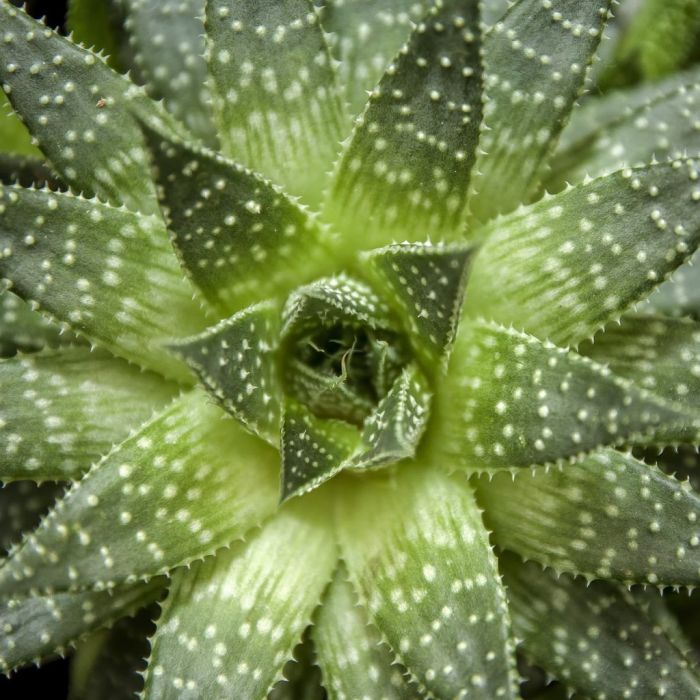
Agave watering needs fluctuate throughout the year, mirroring the plant’s natural growth cycle. Reduced watering during dormancy (winter months) is crucial for preventing root rot.
During summer months, increased watering may be necessary, particularly in hot and dry climates. However, always ensure the soil is dry before watering.
In extremely cold climates, protect agaves from frost and reduce watering frequency or stop watering entirely during winter dormancy. Adjust watering based on rainfall, reducing the frequency during periods of significant rainfall.
Troubleshooting Watering Issues
Common agave watering problems often stem from improper watering practices or unsuitable soil conditions. Recognizing the signs and implementing corrective measures is essential for plant recovery.
Overwatering leads to root rot, while underwatering results in stunted growth and leaf damage. Preventing these issues involves using well-draining soil, appropriate watering techniques, and monitoring the plant’s health regularly.
Reviving a root-rot affected agave requires removing the affected roots, repotting in fresh, well-draining soil, and adjusting watering practices. Careful monitoring and patience are key to successful recovery.
Illustrative Examples of Agave Plants
Different agave varieties exhibit varying water requirements based on their natural habitats and physical characteristics. Understanding these variations ensures optimal care.
- Agave americana (Century Plant):This large agave tolerates drought well, requiring infrequent watering, especially once established. Its thick, succulent leaves indicate its ability to store water.
- Agave parryi (Parry’s Agave):A smaller agave with bluish-green leaves, it thrives in well-draining soil and requires less frequent watering than some other varieties. Its natural habitat of rocky slopes reflects its drought tolerance.
- Agave tequilana (Blue Agave):Used to produce tequila, this agave has silvery-blue leaves and prefers well-draining soil. Watering should be moderate, especially during the growing season. Its native habitat in drier regions of Mexico indicates its drought tolerance.
Final Wrap-Up
Mastering the art of agave plant watering is key to cultivating these striking succulents. By understanding the factors influencing watering frequency, recognizing signs of distress, and employing appropriate techniques, you can ensure your agave plants flourish. Remember, consistent observation and proactive adjustments are vital to maintaining their vibrant health.
With a little care and attention, your agave will reward you with years of stunning beauty.
Question & Answer Hub: Agave Plant Watering
Can I use tap water for my agave?
It’s best to use tap water that has sat out for 24 hours to allow chlorine to dissipate. Avoid using very hard water.
How often should I fertilize my agave?
Agave plants are low feeders. Fertilize sparingly, only once or twice a year during the growing season with a balanced, low-nitrogen fertilizer.
My agave leaves are turning brown. What should I do?
Brown leaves can indicate either underwatering or sunburn. Check the soil moisture and adjust watering accordingly. Also, consider providing more shade if necessary.
How do I repot my agave?
Repotting should be done in spring or early summer using well-draining soil. Choose a pot slightly larger than the current one to avoid root shock.