How to repot an orchid plant? It’s a question many orchid lovers grapple with, and rightfully so! These elegant plants aren’t your average houseplants; their unique root systems and specific needs demand a careful approach to repotting. Get it wrong, and you risk damaging those delicate roots, leading to a stressed or even dying plant.
But fear not! This guide breaks down the process step-by-step, ensuring your orchid thrives in its new home.
Repotting your orchid is crucial for its long-term health. It allows you to refresh the potting medium, ensuring proper drainage and aeration. This guide covers everything from choosing the right time and pot to post-repotting care, addressing common problems and providing tips specific to different orchid types.
By following these instructions, you’ll be able to successfully repot your orchid, giving it the best chance to flourish and reward you with beautiful blooms for years to come.
Choosing the Right Time and Pot for Repotting
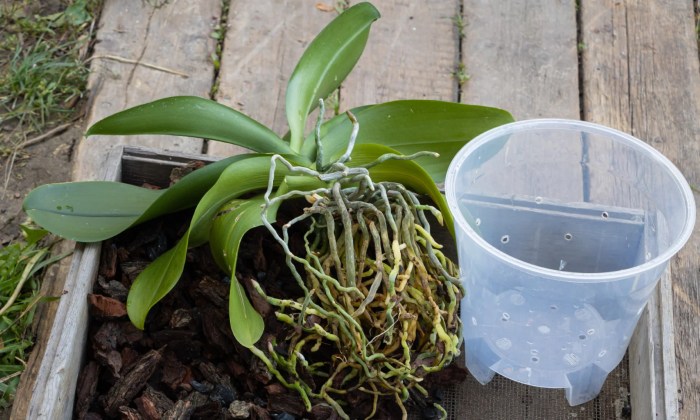
Repotting your orchid is crucial for its health and continued blooming. Timing and choosing the right pot are key factors in a successful repotting. Doing it at the wrong time can stress your plant, while an inappropriate pot can lead to root problems.
Ideal Repotting Time
The best time to repot an orchid is generally after its blooming cycle, during its active growth period. This usually falls in spring or early summer. Avoid repotting during winter dormancy or when the plant is actively flowering, as this will cause unnecessary stress and potentially hinder blooming.
Look for new growth emerging – this indicates the plant is ready for a fresh start.
Pot Material Comparison
The choice of pot material significantly impacts the orchid’s environment. Terracotta and plastic pots each have their advantages and disadvantages.
- Terracotta:These pots are porous, allowing for better air circulation around the roots. This helps prevent root rot, but also leads to faster drying of the potting mix, requiring more frequent watering. They are also heavier and can break more easily.
- Plastic:Plastic pots retain moisture better, reducing the frequency of watering. This can be beneficial, but it also increases the risk of root rot if not properly managed. They are lighter and more durable than terracotta pots.
Pot Size Recommendations
| Orchid Type | Current Pot Size (Diameter) | Recommended New Pot Size (Diameter) | Reasoning for Size Change |
|---|---|---|---|
| Phalaenopsis | 4 inches | 6 inches | Allow for root expansion and increased potting mix volume. |
| Cattleya | 6 inches | 8 inches | Larger size accommodates the larger root system of mature Cattleyas. |
| Dendrobium | 5 inches | 7 inches | Provides adequate space for the plant’s growth and prevents overcrowding. |
| Oncidium | 3 inches | 5 inches | Smaller size initially, allowing for gradual growth and easier management. |
Preparing the Orchid and Potting Mix
Careful preparation is essential to minimize stress on the orchid during repotting. Gently removing the plant and inspecting the roots are crucial steps.
Removing the Orchid from its Pot
To remove the orchid, gently squeeze the sides of the pot to loosen the plant. If it’s stubbornly stuck, soak the pot in water for 15-20 minutes to soften the potting mix. Then, carefully turn the pot upside down and gently tap the bottom to encourage the plant to slide out.
Avoid pulling on the plant, as this can damage the roots.
Inspecting and Trimming Roots
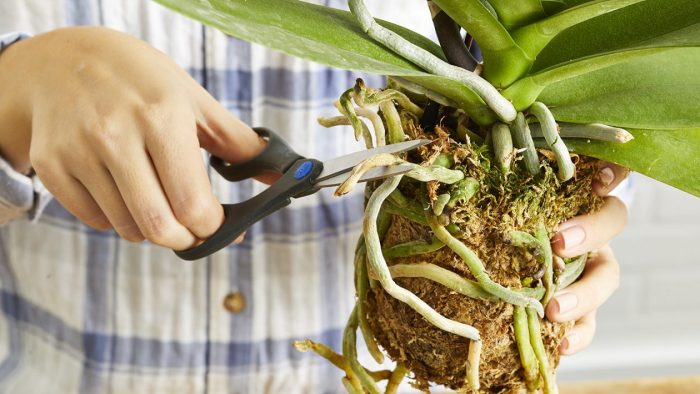
Once the orchid is out, inspect the roots carefully. Healthy roots are firm, plump, and silvery-green. Dead or decaying roots are mushy, brown, or black. Use clean, sharp pruning shears to trim away any dead or damaged roots, cutting back to healthy tissue.
This prevents the spread of rot and allows for healthy new root growth.
Orchid Potting Mix Ingredients
A well-draining potting mix is vital for orchid health. Avoid using garden soil. A suitable mix typically includes:
- Fir bark (largest chunks): Provides excellent drainage and aeration.
- Perlite: Improves drainage and aeration, preventing waterlogging.
- Charcoal: Enhances drainage and helps prevent fungal diseases.
- (Optional) Sphagnum moss: Retains some moisture, beneficial for certain orchid types.
A common ratio is 50% fir bark, 30% perlite, and 20% charcoal. Adjust the ratio based on the specific needs of your orchid type.
Repotting the Orchid
With the preparation complete, the actual repotting process is straightforward but requires a gentle touch.
Step-by-Step Repotting
- Place a layer of fresh potting mix in the bottom of the new pot.
- Position the orchid in the center of the pot, ensuring the crown (where the leaves emerge) is at or slightly above the rim of the pot.
- Gently fill the pot with the potting mix, working it around the roots to ensure good contact.
- Do not pack the mix too tightly, leaving enough space for air circulation.
- Water thoroughly after repotting to settle the mix and hydrate the roots.
Watering After Repotting
Water gently after repotting, ensuring the potting mix is evenly moistened. Avoid overwatering, which can lead to root rot. Allow the top inch or two of the potting mix to dry out before watering again. The frequency of watering will depend on the pot material, potting mix, and environmental conditions.
Common Repotting Mistakes to Avoid
- Using the wrong potting mix.
- Overwatering after repotting.
- Planting the orchid too deep.
- Damaging the roots during repotting.
- Not providing adequate drainage.
Post-Repotting Care: How To Repot An Orchid Plant
Providing the right environment is critical for the orchid to recover and thrive after repotting.
Optimal Growing Conditions, How to repot an orchid plant
After repotting, place the orchid in a location with bright, indirect light. Avoid direct sunlight, which can scorch the leaves. Maintain a temperature range of 65-80°F (18-27°C) and a humidity level of 50-70%. Good air circulation is also important to prevent fungal diseases.
Watering and Fertilizing Schedule
Water the orchid sparingly in the first week after repotting, allowing the potting mix to dry slightly between waterings. Resume a regular watering schedule after the first week, adjusting based on the plant’s needs. Avoid fertilizing for at least a month after repotting to allow the roots to recover.
Signs of Successful Repotting
A successfully repotted orchid will show signs of new growth, including new roots and leaves. The leaves will remain firm and turgid, and the plant will generally appear healthy and vibrant. Signs of stress or problems include wilting leaves, yellowing leaves, or the appearance of root rot.
Repotting Specific Orchid Types
Different orchid types have slightly different repotting needs. Understanding these nuances will ensure the best results.
Repotting Needs Comparison
| Orchid Type | Potting Mix Recommendations | Watering Frequency | Lighting Requirements |
|---|---|---|---|
| Phalaenopsis | Bark-based mix with perlite | Allow top inch to dry | Bright, indirect light |
| Cattleya | Coarse bark mix with charcoal | Allow mix to dry out between waterings | Bright light, some direct morning sun |
| Dendrobium | Mix of bark, moss, and perlite | Water more frequently during active growth | Bright light, some direct sun |
For example, Phalaenopsis orchids prefer a more airy mix, while Cattleyas benefit from a coarser mix with excellent drainage. Dendrobiums may require more frequent watering during their active growth phase.
Troubleshooting Common Problems
Despite careful planning, issues can arise during or after repotting. Knowing how to identify and address these problems is crucial.
Troubleshooting Guide
- Problem:Root rot. Cause:Overwatering, poor drainage. Solution:Trim affected roots, repot in a well-draining mix, adjust watering schedule.
- Problem:Fungal infection. Cause:Poor air circulation, high humidity. Solution:Improve air circulation, treat with fungicide.
- Problem:Wilting. Cause:Underwatering, root damage. Solution:Water thoroughly, check roots for damage.
Healthy vs. Unhealthy Roots
Healthy orchid roots are firm, plump, and silvery-green or white. Unhealthy roots are mushy, brown, or black, indicating rot or decay. Regular inspection of the roots is crucial for maintaining the orchid’s health.
Epilogue
Successfully repotting an orchid is a rewarding experience, bringing you closer to understanding and caring for this beautiful plant. Remember, patience and attention to detail are key. By following the steps Artikeld here, from selecting the right pot and mix to providing optimal post-repotting care, you’ll significantly increase the chances of your orchid thriving.
So, grab your tools, and let’s get started on giving your orchid a healthy new home!
Key Questions Answered
What are the signs of root rot?
Root rot manifests as mushy, brown, or black roots that smell foul. Healthy roots are firm and whitish-green.
How often should I repot my orchid?
Every 1-2 years, or when the potting mix starts to break down or roots become overcrowded.
Can I use regular potting soil for orchids?
No, orchids need a well-draining mix, not regular potting soil which retains too much moisture.
My orchid’s leaves are yellowing after repotting; what should I do?
This could be due to overwatering or root damage. Check the roots and adjust your watering schedule.