Orchid plant care, while often perceived as daunting, is surprisingly manageable with the right knowledge. These elegant blooms, prized for their exquisite beauty and diverse varieties, reward diligent care with vibrant displays of color and long-lasting blooms. This guide dives into the specifics of cultivating these captivating plants, covering everything from choosing the right species to troubleshooting common problems.
Whether you’re a seasoned plant enthusiast or a curious beginner, get ready to unlock the secrets to thriving orchids.
From understanding the unique needs of different orchid types – like the dramatic Cattleya and the easy-to-grow Phalaenopsis – to mastering the art of repotting and fertilization, we’ll cover all the essential aspects of orchid cultivation. We’ll explore the importance of light, water, humidity, and temperature, providing practical tips and techniques to ensure your orchids flourish.
We’ll even tackle common issues, helping you diagnose and solve problems before they escalate.
Orchid Types and Their Specific Needs
Orchids, known for their stunning blooms and diverse forms, present a fascinating array of care requirements depending on their species. Understanding these differences is crucial for successful orchid cultivation. This section will explore the unique needs of five common orchid types, highlighting their light, water, and temperature preferences.
Orchid Type Specific Care Requirements
| Orchid Type | Light Needs | Watering Frequency | Temperature Preferences |
|---|---|---|---|
| Phalaenopsis (Moth Orchid) | Bright, indirect light. Avoid direct sun. | Water when the potting mix is almost dry, typically once a week. | Warm temperatures (65-80°F). |
| Cattleya | Bright light, can tolerate some direct morning sun. | Water thoroughly when the potting mix is dry, allowing it to dry out between waterings. | Warm temperatures (65-85°F) with cooler night temperatures. |
| Dendrobium | Bright light, with some direct sun tolerated. Varies depending on the specific Dendrobium type. | Watering frequency depends on the species and growing season; generally allow the potting mix to dry out between waterings. | Temperature requirements vary widely depending on the species; some prefer warm conditions, others cooler. |
| Oncidium (Dancing Lady Orchid) | Bright, indirect light. Avoid intense direct sun. | Water regularly, allowing the potting mix to dry slightly between waterings. | Warm to intermediate temperatures (65-80°F). |
| Paphiopedilum (Slipper Orchid) | Bright, indirect light. Avoid direct sun. | Water when the potting mix is almost dry, preventing it from completely drying out. | Cool to intermediate temperatures (60-75°F). |
The differences in care are significant. Phalaenopsis and Oncidium orchids thrive in consistently warm environments and bright, indirect light, while Cattleyas appreciate a wider temperature range and more intense light. Dendrobiums and Paphiopedilums show the most diversity in their needs, with some species preferring warm conditions and others cooler temperatures and different light levels.
Warm-growing orchids generally prefer temperatures above 65°F, while cool-growing orchids thrive in temperatures closer to 60°F. These temperature preferences significantly influence watering needs; warm-growing orchids may need more frequent watering due to faster evaporation.
Potting and Repotting Orchids
Proper potting is essential for orchid health. The right potting mix ensures adequate drainage and aeration, preventing root rot and promoting healthy growth. Repotting is necessary every 1-3 years, or when the potting mix degrades or the roots become overcrowded.
Best Potting Mixes for Orchids
Orchid potting mixes should be well-draining and airy to prevent waterlogging. Avoid using regular garden soil.
- Bark chips (fir or pine)
- Perlite
- Charcoal
- Sphagnum moss (in moderation)
Step-by-Step Guide to Repotting an Orchid
- Gently remove the orchid from its old pot, taking care not to damage the roots.
- Remove any old, decaying potting mix from the roots.
- Inspect the roots for rot or damage. Trim away any unhealthy roots with sterile scissors.
- Choose a pot slightly larger than the previous one, ensuring it has drainage holes.
- Place a layer of fresh potting mix in the bottom of the new pot.
- Carefully place the orchid in the pot, ensuring the base of the plant is level with the rim.
- Fill in the remaining space with fresh potting mix, gently packing it around the roots.
- Water the repotted orchid thoroughly.
Preventing Root Rot During Repotting
Sterilizing your tools before repotting helps prevent the spread of disease. Using a well-draining potting mix and avoiding overwatering are crucial for preventing root rot.
Watering and Humidity
Proper watering is critical for orchid health. Overwatering leads to root rot, while underwatering can cause wilting and stunted growth. Maintaining appropriate humidity levels is also essential for optimal orchid growth.
Watering Techniques for Orchids
Different watering methods cater to varying orchid needs and environmental conditions. Observing the potting mix’s dryness is key to determining watering frequency.
- Bottom Watering:Place the pot in a tray of water for 15-30 minutes, allowing the roots to absorb water from the bottom. This method prevents water from accumulating on the leaves, reducing the risk of fungal diseases.
- Soaking:Completely submerge the pot in water for a short period, ensuring the potting mix is thoroughly saturated. Allow the pot to drain completely before returning it to its usual location.
- Top Watering:Carefully pour water over the potting mix, ensuring it reaches all parts of the root system. Avoid wetting the leaves excessively.
Humidity Control Methods for Orchids, Orchid plant care
Maintaining appropriate humidity is essential for orchid health. Various methods can be employed depending on the environment.
| Method | Description | Effectiveness |
|---|---|---|
| Humidity Tray | Place the orchid pot on a tray filled with pebbles and water. The evaporating water increases humidity around the plant. | Moderate |
| Pebble Tray | Similar to a humidity tray, but with a larger surface area of pebbles and water. | Moderate to High |
| Humidifier | Uses electrical power to increase humidity in the surrounding air. | High |
| Grouping Plants | Plants naturally release moisture into the air; grouping plants together increases the local humidity. | Low to Moderate |
Light and Temperature Requirements
Orchids have diverse light and temperature needs. Providing the correct conditions is crucial for healthy growth and abundant blooming. This section details ideal light levels and temperature ranges for various orchid species.
Ideal Light Levels for Orchids
Light intensity is crucial; direct sunlight can scorch leaves, while insufficient light leads to weak growth and a lack of blooms. Observe the leaves for signs of light stress (yellowing, burning) or deficiency (dark green, leggy growth).
- Bright, indirect light:Ideal for Phalaenopsis, Oncidium, and many Paphiopedilums. East- or west-facing windows are often suitable, or a few feet away from a south-facing window.
- Bright light with some direct sun:Suitable for Cattleyas and some Dendrobiums. A south-facing window with some filtered light is ideal.
- Filtered light:Some orchids, particularly those from shady forest habitats, require filtered or low light conditions.
Suitable Home Locations for Orchids
Location choices depend heavily on the direction and amount of sunlight the window receives and the intensity of the light.
- East-facing windows provide morning sun, which is generally gentler.
- West-facing windows provide afternoon sun, which can be more intense.
- South-facing windows offer the most sunlight but require careful filtering to prevent leaf burn.
- North-facing windows receive the least sunlight and may require supplemental lighting for some orchid species.
Temperature Regulation for Orchids
Temperature plays a crucial role in orchid blooming and overall health. Maintaining appropriate temperature ranges is essential.
- Warm-growing orchids:65-80°F (18-27°C) during the day and slightly cooler at night.
- Intermediate-growing orchids:60-75°F (15-24°C) during the day and slightly cooler at night.
- Cool-growing orchids:55-65°F (13-18°C) during the day and even cooler at night.
Fertilizing and Pest Control
Regular fertilization provides essential nutrients for healthy orchid growth and abundant blooming. Pest and disease control is also crucial for preventing problems and maintaining plant health.
Fertilization Practices for Orchids
Use a balanced orchid fertilizer diluted to half strength. Avoid over-fertilizing, which can damage the roots. Adjust fertilization based on the growing season.
- Spring and Summer:Fertilize every 2-4 weeks.
- Fall and Winter:Reduce fertilization frequency to once a month or less.
Identifying and Controlling Common Orchid Pests and Diseases
Regular inspection helps prevent major infestations and disease outbreaks. Early detection is crucial for effective treatment.
- Preventative Measures:Maintain good air circulation, avoid overwatering, and inspect new plants carefully before introducing them to your collection.
- Treatment Options:For pests, use insecticidal soap or neem oil. For fungal diseases, apply a fungicide according to the product instructions. Severe infestations may require professional help.
Orchid Blooming and Propagation
Orchid blooming is influenced by various factors, including light, temperature, and watering. Propagation allows you to expand your orchid collection through different methods.
Factors Influencing Orchid Blooming
A combination of factors triggers blooming. Light intensity, temperature fluctuations (cooler nights), and proper watering are crucial.
- Light:Sufficient light is essential for flower bud initiation.
- Temperature:A slight temperature difference between day and night can stimulate blooming.
- Watering:Consistent but not excessive watering is vital during the blooming period.
Orchid Propagation Methods
Propagation allows for the creation of new orchid plants. Two common methods are division and keiki production.
- Division:Carefully divide a mature orchid plant, ensuring each division has healthy roots and shoots. Repot each division into its own pot.
- Keiki Production:Some orchid species produce keikis (baby plants) on their flower stalks or stems. Allow the keiki to develop roots, then carefully separate and pot it.
Important Considerations for Propagation: Sterilize your tools to prevent disease. Use a well-draining potting mix suitable for the orchid species. Provide appropriate light, temperature, and humidity conditions for the new plants.
Post-Blooming Care for Orchids
After flowering, prune spent flower stalks. Adjust watering and fertilization routines to match the plant’s growth cycle.
Troubleshooting Common Orchid Problems
Recognizing common orchid problems and their causes is crucial for effective treatment. This section details common issues, their causes, and solutions.
Common Orchid Problems, Causes, and Solutions
| Problem | Cause | Solution |
|---|---|---|
| Yellowing Leaves | Overwatering, underwatering, insufficient light, nutrient deficiency, pests. | Adjust watering, provide adequate light, fertilize as needed, treat pests. |
| Root Rot | Overwatering, poor drainage. | Repot in fresh, well-draining mix, adjust watering. |
| Lack of Blooms | Insufficient light, improper temperature, nutrient deficiency, stress. | Provide adequate light, adjust temperature, fertilize, reduce stress. |
Visual Signs of Healthy vs. Unhealthy Orchid Growth
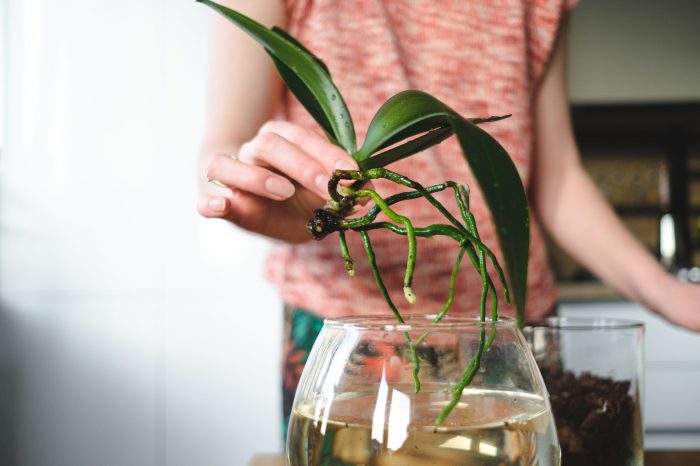
A healthy orchid exhibits vibrant green leaves, firm stems, and robust root systems. The leaves are plump and have a glossy sheen. The roots are silvery-white or light green when moist and firm to the touch. In contrast, an unhealthy orchid may show yellowing or browning leaves, soft or mushy stems, and dark, decaying roots.
The leaves may be wrinkled or drooping, indicating dehydration or disease.
Last Recap: Orchid Plant Care
Mastering orchid plant care is a journey, not a destination. With patience, observation, and the knowledge gained from this guide, you’ll be well-equipped to nurture your orchids into vibrant, blooming masterpieces. Remember, each orchid is an individual, and learning to understand its specific needs is key to its long-term health and beauty.
So, embrace the challenge, enjoy the process, and watch your orchid collection thrive!
Essential FAQs
How often should I fertilize my orchids?
A diluted balanced fertilizer every 2-4 weeks during the growing season (spring and summer) is usually sufficient. Reduce or stop fertilizing during dormancy (fall and winter).
Why are my orchid leaves yellowing?
Yellowing leaves can indicate overwatering, underwatering, insufficient light, or nutrient deficiencies. Check your watering routine, light exposure, and consider a balanced fertilizer.
My orchid isn’t blooming. What should I do?
Lack of blooms can be due to insufficient light, improper watering, incorrect temperature, or lack of a distinct cool period. Ensure your orchid receives adequate light and a temperature fluctuation between day and night.
What’s the best way to increase humidity for my orchids?
Use a humidity tray with pebbles and water (avoiding direct contact between water and the pot), group plants together, or use a humidifier in the room.