How to trim an agave plant? It’s a question many succulent enthusiasts grapple with. These striking plants, with their architectural leaves and dramatic forms, require specific care to maintain their health and beauty. Understanding agave anatomy—from the robust root system to the spiky leaves—is key.
This guide will walk you through the process, covering essential tools, safety precautions, trimming techniques for various situations, and post-trimming care, ensuring your agave thrives for years to come.
We’ll delve into the nuances of trimming different agave species, explaining how leaf structure impacts the best approach. Learn to safely remove dead leaves, propagate pups, and shape your agave to achieve its full potential. We’ll even cover troubleshooting common post-trimming issues.
Get ready to master the art of agave maintenance!
Agave Plant Anatomy
Understanding the structure of your agave plant is crucial for successful trimming. Knowing where to cut and how to avoid damaging vital parts will ensure the health and longevity of your plant. This section details the key components of an agave and how their growth influences trimming techniques.
Agave Plant Parts
Agaves are composed of three main parts: leaves, stem (or trunk), and roots. The size and shape of these parts vary considerably depending on the agave species.
| Part | Description | Image (Descriptive) | Trimming Implications |
|---|---|---|---|
| Leaves | Thick, succulent leaves radiating from a central point. They can be smooth, spiny, or have serrated edges. | Imagine a rosette of thick, fleshy leaves, varying in color from gray-green to blue-green, possibly with sharp spines along the edges and a pointed tip. The size and shape depend on the agave species. | Dead or damaged leaves can be carefully trimmed without harming the living tissue. |
| Stem (Trunk) | In many agave species, the stem is short or absent, with leaves growing directly from the base. Some species develop a noticeable trunk over time. | Visualize a short, thick, woody stem, possibly partially buried, from which the leaves emerge. Some agaves lack a visible stem entirely. | Trimming near the stem requires caution to avoid damaging the growing point. |
| Root System | Fibrous root system, spreading outwards from the base of the plant. | Picture a network of relatively shallow, fibrous roots spreading horizontally, anchoring the plant and absorbing water and nutrients. | Trimming generally doesn’t directly involve the root system unless removing pups or transplanting. |
Agave Growth Patterns and Trimming
Agaves are monocarpic, meaning they bloom only once in their lifetime, usually after many years. After flowering, the mother plant dies, but often produces offsets (pups) that continue the plant’s life cycle. Understanding this growth pattern is essential for effective trimming, allowing you to remove dead leaves and encourage pup growth.
Leaf Structure Variations and Trimming Techniques
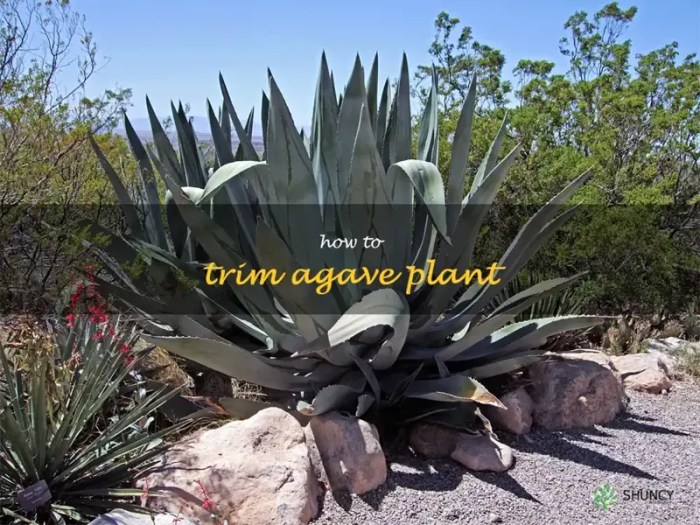
Different agave species exhibit significant variations in leaf structure. Some have smooth, rounded leaves, while others possess sharp spines or serrated edges. This impacts trimming techniques, requiring more caution with spiny varieties. Always wear appropriate protective gear when working with any agave.
Tools and Safety Precautions
Proper tools and safety measures are essential for successful and safe agave trimming. Neglecting these can lead to injury and damage to the plant.
Essential Tools
Gathering the right tools beforehand makes the job safer and easier. Here’s what you’ll need:
- Sharp knife or pruning shears: Choose a tool that’s comfortable to handle and sharp enough to make clean cuts.
- Heavy-duty gloves: These will protect your hands from thorns and sharp leaf edges.
- Protective eyewear: Essential to shield your eyes from flying debris.
- Optional: Loppers for larger plants or removing thicker stems
Safety Guidelines
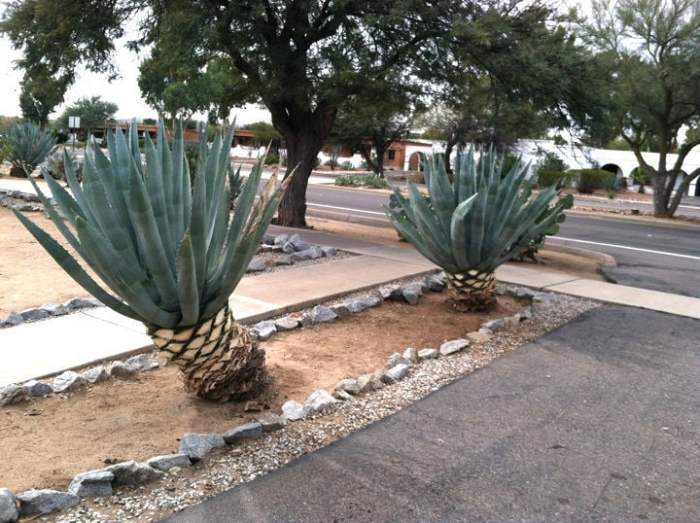
Always prioritize safety when handling sharp tools and working with agave plants.
- Wear gloves and protective eyewear at all times.
- Use sharp tools to make clean cuts; dull tools require more force and increase the risk of injury.
- Be mindful of thorns and spines. Avoid touching the plant unnecessarily.
- Lift heavy plants carefully to avoid back injuries.
- Work in a well-lit area to improve visibility and reduce the risk of accidents.
Agave Trimming Safety Checklist
Before you begin trimming, use this checklist to ensure a safe working environment:
- [ ] Wear heavy-duty gloves.
- [ ] Wear protective eyewear.
- [ ] Inspect your tools to ensure they are sharp and in good working order.
- [ ] Clear the area around the plant of any obstacles.
- [ ] Have a first-aid kit nearby.
Trimming Techniques
Trimming techniques vary depending on the specific task. Whether removing dead leaves, pups, or shaping the plant, careful execution is key to maintaining its health and appearance.
Trimming Dead or Damaged Leaves
Removing dead or damaged leaves improves the plant’s appearance and prevents disease. Cut as close to the base of the leaf as possible, using a sharp knife or shears to make a clean cut. Avoid tearing or shredding the leaf, which can introduce pathogens.
Removing Pups
Removing pups allows the mother plant to focus its energy on growth, and provides opportunities for propagation. Carefully dig around the pup, separating it from the mother plant with a sharp knife or shovel. Ensure you get a good portion of roots attached to the pup for successful transplanting.
Shaping and Maintaining Agave Size, How to trim an agave plant
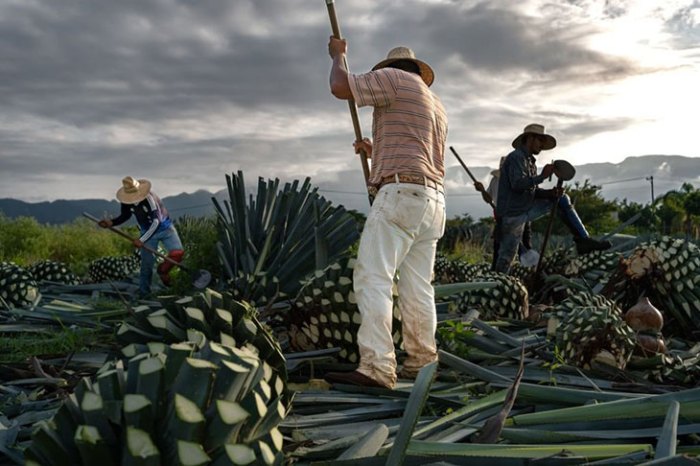
Regular trimming can help maintain the size and shape of your agave. Here’s a step-by-step guide:
- Assess the plant’s overall shape and identify areas that need trimming.
- Remove any dead or damaged leaves.
- Carefully trim any leaves that extend beyond the desired shape.
- Avoid removing too many leaves at once, as this can stress the plant.
- Water the plant thoroughly after trimming.
Post-Trimming Care
Proper post-trimming care is essential for the plant’s recovery and continued health.
Post-Trimming Care and Watering
After trimming, water the plant deeply to help it recover from any stress. Avoid overwatering, as this can lead to root rot. Adjust watering frequency based on your climate and the plant’s needs.
Common Post-Trimming Issues
Some common issues include excessive bleeding from cut leaves (in some species), fungal or bacterial infections, and sunscald (if large portions of leaves are removed). Addressing these promptly prevents further damage.
Regular Maintenance Trimming Schedule
Regular trimming helps maintain the agave’s health and aesthetic appeal. A schedule depends on the agave species and growth rate. A general guideline is to inspect the plant every few months and remove dead or damaged leaves as needed.
Illustrative Examples
Let’s consider a hypothetical example to illustrate the trimming process.
Before Trimming
The agave plant, approximately 3 feet in diameter, exhibits a somewhat unkempt appearance. Several lower leaves are brown and withered, while a few others are slightly damaged at the tips. The overall shape is somewhat asymmetrical, with some leaves extending beyond the main rosette.
The leaves are a bluish-green, with prominent spines along the edges. The central growing point appears healthy and robust.
The plant is situated in a well-drained area, receiving plenty of sunlight.
Trimming Process
First, we remove the dead and damaged leaves using sharp pruning shears, cutting cleanly at their base. Next, we carefully trim a few of the longer leaves to restore a more symmetrical shape. The process is slow and deliberate to avoid accidental damage to the healthy leaves and the central growing point.
We take breaks as needed, especially when working with spiny leaves.
After Trimming
The agave plant now presents a much more refined appearance. The dead and damaged leaves are gone, revealing a neat and symmetrical rosette of healthy, vibrant leaves. The plant appears more compact and well-proportioned.
The bluish-green color of the leaves is now more pronounced, and the overall shape is pleasing to the eye. The plant’s health is enhanced by the removal of dead and damaged material, and it should thrive with continued proper care.
Last Point: How To Trim An Agave Plant
Trimming your agave plant is more than just a chore; it’s an opportunity to enhance its beauty and ensure its long-term health. By following the steps Artikeld in this guide, you’ll confidently handle the task, from selecting the right tools and prioritizing safety to mastering various trimming techniques and providing proper post-trimming care.
Remember, regular maintenance is key to a thriving and visually stunning agave. So grab your gloves, sharpen your tools, and get ready to transform your agave into a showstopper!
Key Questions Answered
What type of knife is best for trimming agave?
A sharp, sturdy knife is ideal. A serrated knife can be helpful for thicker leaves.
How often should I trim my agave?
This depends on the species and growth rate, but generally, removing dead or damaged leaves as needed and shaping as desired is recommended.
What should I do if I accidentally cut myself while trimming?
Clean the wound immediately with soap and water and apply antiseptic. Seek medical attention if necessary.
Can I trim my agave in any season?
It’s best to trim during the growing season (spring or summer) for faster healing.