How to plant dahlia tubers? It’s more than just sticking a tuber in the ground; it’s about unlocking the vibrant potential of these stunning blooms. From selecting healthy tubers and preparing the perfect soil to providing ongoing care and ultimately harvesting your bounty, this guide will walk you through each crucial step, ensuring a spectacular dahlia display in your garden.
We’ll cover everything from choosing the right tuber to overwintering them, so you can enjoy these beauties year after year.
This comprehensive guide covers all aspects of dahlia cultivation, from initial tuber selection and soil preparation to planting techniques, ongoing care, pest and disease management, and finally, harvesting and storing your tubers for the next season. We’ll explore different planting methods, address common problems, and offer practical tips to maximize your dahlia’s growth and flowering potential.
Get ready to transform your garden with the breathtaking beauty of dahlias!
Planting Dahlia Tubers: A Comprehensive Guide
Dahlias, with their vibrant blooms and diverse forms, are a rewarding addition to any garden. This guide provides a step-by-step approach to successfully planting and caring for these stunning flowers, from selecting healthy tubers to harvesting and storing them for the next season.
We’ll cover everything you need to know to cultivate a thriving dahlia patch.
Choosing Dahlia Tubers
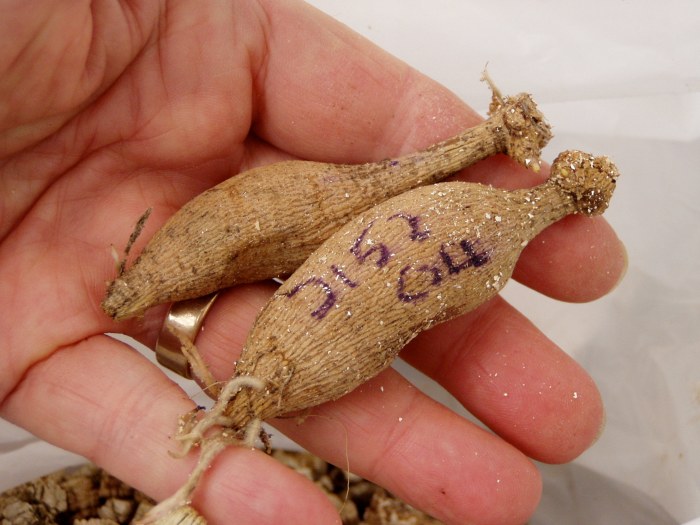
Selecting healthy tubers is crucial for successful dahlia cultivation. Look for firm, plump tubers with well-defined “eyes” (growth buds) and free from rot, disease, or pests. Tuber size varies depending on the variety; larger tubers generally produce larger plants, while smaller ones can still thrive with proper care.
Dahlia tuber types are categorized by their size and growth habit. For example, some varieties are better suited to cooler climates, while others thrive in warmer conditions. Choosing the right type for your region is important. Before planting, carefully inspect each tuber for signs of damage or disease.
Soft spots, discoloration, or unusual growths indicate potential problems.
Inspecting dahlia tubers before planting is essential to prevent problems later. Look for firm, plump tubers with visible “eyes.” Discard any tubers that are soft, shriveled, or show signs of rot or disease.
Preparing the Planting Site
Dahlias thrive in well-drained soil rich in organic matter. Ideal soil pH is slightly acidic to neutral (6.0-7.0). Poorly draining soil can lead to root rot, so amending heavy clay or sandy soils is often necessary.
Amending poor soil involves improving its structure, drainage, and nutrient content. This can be achieved by adding organic materials like compost, peat moss, or well-rotted manure. The amount needed depends on the soil’s condition.
| Amendment | Benefit | Soil Type | Application Rate |
|---|---|---|---|
| Compost | Improves soil structure, drainage, and fertility | All soil types | 2-4 inches |
| Peat Moss | Improves drainage and aeration in heavy clay soils | Clay soils | 1-2 inches |
| Well-rotted Manure | Adds nutrients and improves soil structure | All soil types | 2-4 inches |
| Perlite | Improves drainage and aeration in heavy clay soils | Clay soils | 1-2 cups per square foot |
Planting Dahlia Tubers, How to plant dahlia tubers
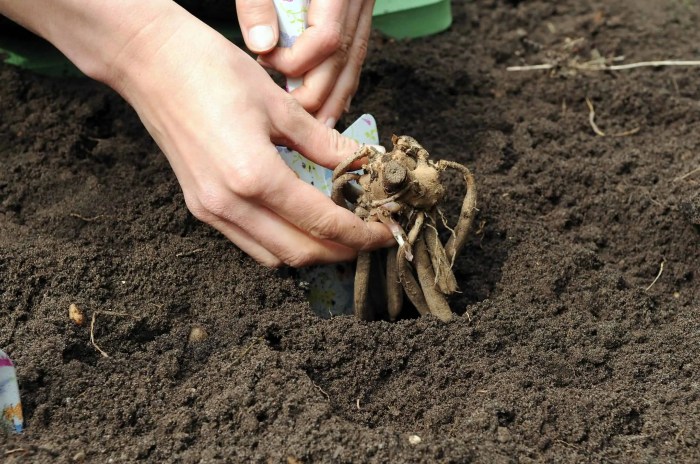
Planting depth and spacing vary depending on the dahlia variety. Generally, plant tubers 4-6 inches deep and 18-24 inches apart. Direct planting is common, but starting with cuttings allows for earlier blooms. Consistent watering is key, avoiding both overwatering (leading to rot) and underwatering (stunting growth).
Dahlia Care and Maintenance
Regular watering, fertilizing, and deadheading are essential for healthy dahlia growth. A consistent watering schedule, especially during dry periods, is vital. Fertilize regularly with a balanced fertilizer, following package instructions. Deadheading (removing spent blooms) encourages more flowering.
Common dahlia pests include aphids, slugs, and snails. Diseases like powdery mildew and leaf spot can also affect dahlias. Preventative measures include proper spacing, good air circulation, and regular inspection. Treatment options vary depending on the pest or disease.
| Task | Frequency | Notes |
|---|---|---|
| Watering | As needed, keeping soil consistently moist | Avoid overwatering |
| Fertilizing | Every 2-3 weeks | Use a balanced fertilizer |
| Deadheading | Regularly, removing spent blooms | Promotes continuous flowering |
| Pest & Disease Inspection | Weekly | Address issues promptly |
Supporting Dahlia Plants
Tall dahlia varieties require staking or other support to prevent them from flopping over. Various staking methods exist, from simple stakes to more elaborate structures. The choice depends on the dahlia’s height and growth habit.
Harvesting and Storing Dahlia Tubers
Harvest dahlia tubers after the first frost. Carefully dig them up, clean them, and allow them to dry before storing. Proper storage is crucial for overwintering the tubers and ensuring their survival for the next growing season.
Illustrative Examples of Healthy and Unhealthy Tubers
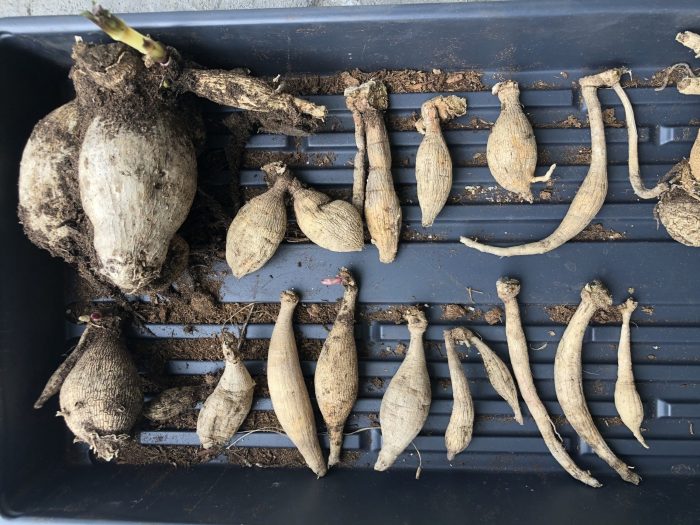
Understanding the visual differences between healthy and unhealthy tubers is crucial for successful dahlia cultivation. This helps in selecting the best tubers for planting and identifying potential problems early on.
- Healthy Tubers:Firm, plump, with well-defined “eyes” (growth buds), smooth skin, free from blemishes or discoloration.
- Unhealthy Tubers:Soft, shriveled, with sunken or discolored areas, presence of mold or rot, signs of pest infestation (e.g., holes or tunnels).
Conclusion
Growing dahlias successfully is a rewarding experience, bringing vibrant color and elegance to your garden. By following the steps Artikeld in this guide—from carefully selecting healthy tubers and preparing the ideal soil to providing consistent care and proper overwintering—you can ensure a prolific bloom and enjoy the stunning beauty of these magnificent flowers for years to come.
Remember, attention to detail at each stage, from planting to harvesting, is key to a successful dahlia cultivation journey. So get planting, and enjoy the show!
Expert Answers: How To Plant Dahlia Tubers
What is the best time to plant dahlia tubers?
After the last frost, when the soil has warmed up.
How deep should I plant dahlia tubers?
Generally, 4-6 inches deep, with the eyes facing upwards.
How far apart should I plant dahlia tubers?
Spacing depends on the variety, but typically 18-24 inches apart is recommended.
What should I do if my dahlia tubers are rotting?
Remove any affected areas, treat with a fungicide, and ensure good drainage.
Can I grow dahlias in pots?
Yes, choose a large pot with ample drainage and use high-quality potting mix.