How to plant and care for dahlias: These vibrant blooms, known for their dazzling array of colors and sizes, reward gardeners with a spectacular display. But successfully cultivating these beauties requires understanding their needs, from selecting healthy tubers to overwintering them.
This guide provides a comprehensive approach to ensuring your dahlias thrive, offering a detailed look at planting techniques, essential care practices, and troubleshooting common problems.
From choosing the perfect tubers to nurturing them through their blooming season and beyond, we’ll cover everything you need to know. We’ll delve into soil preparation, watering schedules, fertilization techniques, pest control strategies, and even how to successfully overwinter your dahlia tubers for a vibrant return the following year.
Get ready to transform your garden into a dahlia paradise!
Selecting Dahlia Tubers
Choosing healthy dahlia tubers is crucial for a successful bloom. Inspecting tubers carefully before planting ensures you’re starting with strong, disease-free material, leading to vibrant flowers. Reputable sources are key to obtaining high-quality tubers.
Healthy Dahlia Tuber Characteristics
Look for firm, plump tubers with healthy eyes (growth buds). Avoid tubers that are shriveled, soft, or show signs of rot or disease. A good tuber will feel heavy for its size and have a slightly moist texture, not dry or brittle.
Dark spots or discoloration are warning signs of potential problems.
Tuber Selection Based on Variety, Bloom Size, and Color
Dahlia varieties come in a wide range of sizes and colors. Consider the mature size of the plant and the space available in your garden. Smaller tubers generally produce smaller plants with fewer blooms, while larger tubers yield more substantial plants with more flowers.
Choose tubers that match your desired bloom size and color preferences. Catalogs and online retailers often provide detailed descriptions to guide your selection.
Importance of Reputable Sources
Purchasing tubers from reputable sources significantly reduces the risk of disease and ensures you receive the variety you ordered. Established nurseries, online sellers with positive reviews, and local garden clubs are reliable options. Avoid buying tubers from unknown sources or those with unclear labeling.
Dahlia Tuber Size and Bloom Time Comparison
| Tuber Size | Expected Bloom Time | Number of Blooms | Notes |
|---|---|---|---|
| Small (under 1 inch) | Late Summer/Early Fall | Few | May require longer to establish |
| Medium (1-2 inches) | Mid-Summer to Fall | Moderate | Good balance of growth and bloom time |
| Large (over 2 inches) | Early Summer to Fall | Many | Faster establishment, abundant blooms |
| Extra Large (over 3 inches) | Early Summer to Late Fall | Very Abundant | May require extra support |
Planting Dahlias
Proper planting techniques are essential for establishing healthy dahlia plants. The right soil conditions and planting method significantly impact their growth and flowering. Direct planting is common, but starting indoors allows for earlier blooms.
Ideal Soil Conditions for Dahlias
Dahlias thrive in well-drained soil rich in organic matter. A slightly acidic to neutral pH (6.0-7.0) is ideal. Amend heavy clay soils with compost or other organic materials to improve drainage. Sandy soils may benefit from the addition of organic matter to retain moisture.
Step-by-Step Dahlia Tuber Planting
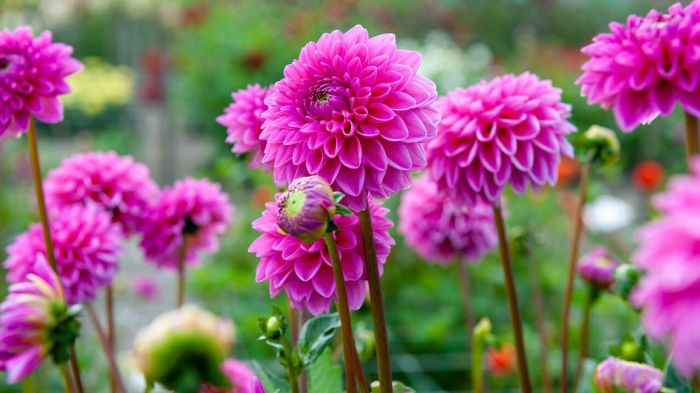
Planting depth and spacing are crucial. Plant tubers 4-6 inches deep and 18-24 inches apart, depending on the variety. This allows for adequate space for growth and prevents overcrowding. Always plant with the eyes facing upwards.
- Prepare the soil:Loosen the soil to a depth of at least 12 inches. Incorporate compost or other organic matter to improve drainage and fertility. The soil should be crumbly and easy to work with. You should be able to easily dig a hole without encountering dense, compacted earth.
- Dig planting holes:Dig holes approximately 6 inches deep and wide enough to comfortably accommodate the tubers. Ensure the bottom of the hole is loose and well-drained. You should be able to see loose soil at the bottom of the hole, indicating good drainage.
- Place the tubers:Carefully place the tubers in the holes with the “eyes” (growth buds) facing upwards. Gently spread the roots outwards. The eyes should be clearly visible and facing upwards, resembling small bumps or nubs on the tuber surface.
- Backfill and water:Cover the tubers with soil, firming it gently around the base of the plants. Water thoroughly after planting to settle the soil and encourage root development. The soil should be moist but not soggy. You should see the water readily absorbed by the soil, not pooling on the surface.
Planting Methods: Direct Planting vs. Starting Indoors
Direct planting involves planting tubers directly into the garden after the last frost. Starting indoors allows for earlier blooms by planting tubers in pots several weeks before the last frost, then transplanting them outdoors once the weather warms.
Dahlia Care: Watering and Fertilizing
Consistent watering and proper fertilization are essential for healthy dahlia growth and abundant blooms. Adjust watering frequency based on weather conditions and soil type, and use a balanced fertilizer to provide essential nutrients.
Watering Recommendations
Water deeply and regularly, especially during dry periods. The soil should remain consistently moist but not waterlogged. Overwatering can lead to root rot, while underwatering can stunt growth. Mulching helps retain soil moisture and reduce the frequency of watering.
Check soil moisture regularly by inserting your finger a few inches into the soil; if it feels dry, it’s time to water.
Importance of Fertilization
Dahlias are heavy feeders and benefit from regular fertilization to support vigorous growth and abundant blooms. A balanced fertilizer provides essential nutrients for healthy development. Apply fertilizer according to package instructions, avoiding over-fertilization, which can damage plants.
Fertilization Methods and Fertilizer Types
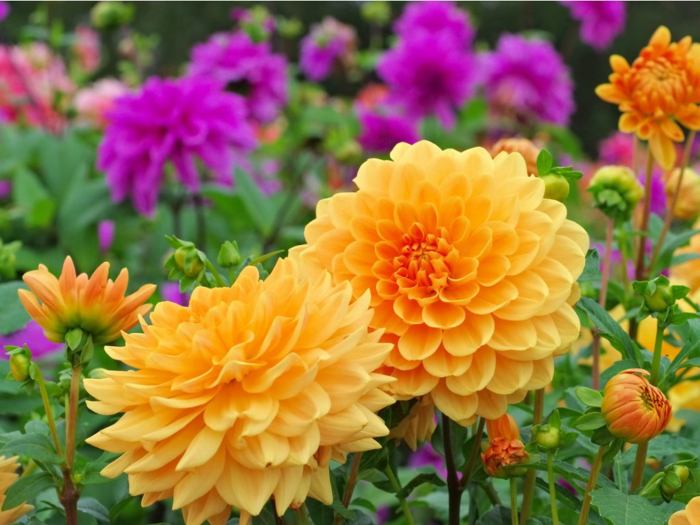
Several methods exist for fertilizing dahlias, including granular, liquid, and slow-release fertilizers. A balanced, all-purpose fertilizer (like a 10-10-10 formula) is a good starting point. Organic fertilizers, such as compost tea or aged manure, provide nutrients slowly and improve soil health.
Organic vs. Synthetic Fertilizers, How to plant and care for dahlias
Organic fertilizers are derived from natural sources and improve soil health over time. Synthetic fertilizers provide a quick boost of nutrients but may not enhance soil health in the long term. Choose the option that aligns with your gardening preferences and soil conditions.
Dahlia Care: Pest and Disease Control
Several pests and diseases can affect dahlias. Implementing preventative measures and prompt treatment are crucial for maintaining healthy plants. Both organic and chemical control methods are available.
Common Dahlia Pests and Diseases
Common pests include aphids, slugs, snails, and spider mites. Diseases include powdery mildew, botrytis blight, and verticillium wilt. Early detection is key to effective management.
| Pest/Disease | Symptoms | Prevention | Control Methods |
|---|---|---|---|
| Aphids | Small, soft-bodied insects clustering on stems and leaves; leaf curling and distortion. | Regular inspection, good air circulation. | Insecticidal soap, neem oil, strong water spray. |
| Powdery Mildew | White, powdery coating on leaves; leaf distortion and yellowing. | Good air circulation, avoid overhead watering. | Fungicides (organic and chemical options available). |
| Slugs/Snails | Holes and chewed edges on leaves and flowers; slimy trails. | Remove debris, use barriers. | Slug bait, handpicking. |
Dahlia Care: Support and Staking
Providing support for dahlias is essential, especially for tall varieties, to prevent damage from wind and heavy blooms. Various staking methods can be employed, depending on plant size and personal preference.
Importance of Dahlia Support
Tall dahlia varieties can become top-heavy, making them susceptible to damage from wind or heavy rain. Staking helps prevent broken stems and ensures optimal plant growth and flowering. Proper support prevents the plants from falling over and allows for even sunlight exposure to all parts of the plant.
Staking Methods and Materials
Common staking methods include individual stakes, cages, or obelisks. Materials such as bamboo, metal rods, or sturdy wooden stakes can be used. The choice of method depends on the size and number of dahlia plants.
Staking Dahlias at Different Growth Stages
Staking should be done early in the growing season, before the plants become too large. As the plants grow, adjust the stakes or supports as needed. Avoid placing stakes too close to the stems to prevent damage.
Proper Techniques for Attaching Plants to Supports
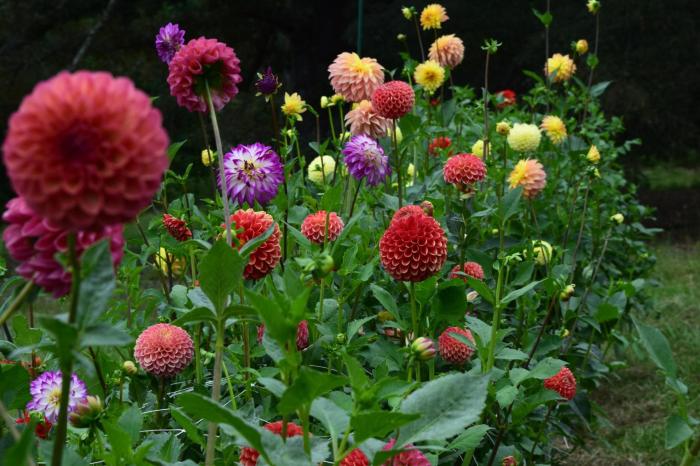
Use soft ties or plant clips to attach the stems to the supports. Avoid tight ties that could cut into the stems. Support the stems gently, guiding them upwards without causing stress or breakage. Check the ties regularly to ensure they are not too tight or cutting into the stems.
Dahlia Care: Deadheading and Pruning
Deadheading and pruning encourage continuous flowering and promote bushier growth in dahlias. These practices enhance the overall health and appearance of the plants.
Importance of Deadheading
Deadheading, or removing spent blooms, prevents the plant from putting energy into seed production and encourages the formation of new buds. This results in a longer blooming period and more flowers. Deadheading also enhances the aesthetic appeal of the plants by removing wilted or damaged blooms.
Deadheading Techniques
To deadhead, cut the stem below the spent flower, just above a set of leaves. Use sharp, clean pruning shears to prevent disease. The cut should be clean and angled slightly downward to promote water runoff and prevent rot.
You should see a clean cut just above a node (where a leaf or branch emerges from the stem), leaving a neat and healthy appearance.
Benefits and Methods of Pruning
Pruning dahlias can encourage bushier growth and more blooms. Pinch back the growing tips of young plants to promote branching. Remove any diseased or damaged stems. The pinch should be just above a node, resulting in two new shoots growing from that point.
You should see the plant branching out, becoming fuller and bushier.
Visual Guide to Deadheading and Pruning
- Deadheading:Locate the spent flower. Cut the stem just below the flower, above a set of leaves. The cut should be clean and at a slight angle. You should see a clean, angled cut just above a leaf node, leaving a neat and healthy appearance.
The spent flower should be completely removed.
- Pruning:Locate a growing tip. Pinch it off just above a leaf node. You should see two new shoots emerge from the point where you pinched the stem. The plant should appear fuller and bushier over time.
Dahlia Care: Overwintering: How To Plant And Care For Dahlias
Overwintering dahlia tubers protects them from freezing temperatures and ensures their survival for the next growing season. Proper lifting, cleaning, and storage are essential for successful overwintering.
Overwintering Dahlia Tubers in Different Climates
In areas with freezing winters, dahlia tubers must be lifted from the ground and stored indoors. In milder climates, tubers may be left in the ground with appropriate protection, but lifting and storing is generally recommended for better survival rates.
Lifting, Cleaning, and Storing Dahlia Tubers
Lift tubers after the first frost, allowing them to dry for a few days before cleaning. Remove excess soil and damaged parts. Store tubers in a cool, dry, and dark place, such as a basement or garage. Use peat moss or vermiculite to prevent drying out.
The tubers should be firm and free of any signs of rot or disease.
Importance of Proper Storage Conditions
Proper storage conditions are crucial to prevent rotting and ensure successful overwintering. Too much moisture can lead to rot, while too little moisture can cause the tubers to shrivel. Maintaining consistent temperature and humidity levels is vital. Regular inspection of the tubers is important to detect any signs of rot or disease early on.
Overwintering Techniques: Cool, Dry Storage vs. Peat Moss
Storing tubers in a cool, dry place is a simple method, but using peat moss or vermiculite provides additional protection against drying out. Peat moss or vermiculite helps maintain consistent moisture levels around the tubers, reducing the risk of desiccation.
Both methods are effective if the storage environment is properly maintained.
Last Word
Mastering the art of dahlia cultivation is a journey of discovery, filled with the rewarding experience of watching these magnificent flowers flourish. By following the steps Artikeld in this guide, from selecting healthy tubers to ensuring proper overwintering, you’ll be well-equipped to enjoy the breathtaking beauty of dahlias year after year.
Remember, patience and attention to detail are key to unlocking the full potential of these stunning blooms. So, get planting and enjoy the vibrant rewards!
FAQ Compilation
Can I grow dahlias in containers?
Yes! Dahlias grow well in containers, provided they’re large enough (at least 12 inches in diameter) and have adequate drainage.
When should I divide my dahlia tubers?
Divide dahlia tubers every 3-5 years in the spring to prevent overcrowding and maintain vigorous growth.
What should I do if my dahlias are not blooming?
Several factors can affect blooming, including insufficient sunlight, poor soil drainage, lack of fertilization, or pests/diseases. Review your care practices and address any potential issues.
How long do dahlias bloom for?
Dahlias typically bloom from early summer to the first frost, offering a prolonged period of color.