Type of plant dahlia flower: These stunning blooms, members of the -Dahlia* genus, offer a breathtaking array of colors, shapes, and sizes. From the classic ball dahlia to the spiky cactus dahlia, the diversity within this species is truly remarkable.
This exploration delves into the fascinating world of dahlias, covering their classification, cultivation, uses, and captivating visual characteristics, providing a comprehensive guide for both novice and experienced gardeners alike.
We’ll examine the botanical details that set each dahlia type apart, from their petal structures and bloom forms to their unique growing requirements. We’ll also uncover the rich cultural significance of dahlias and explore their various uses, from vibrant cut flowers to captivating garden displays.
Get ready to be amazed by the sheer beauty and versatility of these remarkable flowers.
Dahlia Flower Classification
Dahlias, belonging to the genus Dahlia, offer a stunning array of shapes, sizes, and colors. Understanding their classification helps appreciate the diversity within this captivating flower.
Dahlia Taxonomy and Varieties
The genus Dahliafalls under the family Asteraceae, which also includes sunflowers and daisies. While the exact number of species is debated, Dahlia pinnataand Dahlia coccineaare often cited as parent species for many cultivated varieties. Common varieties include the Dinner Plate Dahlia (known for its large blooms), the Waterlily Dahlia (with its flat, open blooms), and the Pompon Dahlia (with its tightly packed, spherical blooms).
The sheer number of cultivars makes precise classification challenging, but they’re generally categorized by their bloom form.
Comparison of Dahlia Bloom Shapes
Dahlia bloom shapes are a key characteristic used for classification. The differences arise from the arrangement and structure of the florets (individual flowers within the bloom). Ball dahlias, for instance, feature tightly packed, spherical blooms, while decorative dahlias exhibit broad, flat blooms with long, gracefully curved ray florets.
Anemone dahlias have a central disc of small florets surrounded by a ring of larger ray florets. Cactus dahlias are characterized by long, pointed, and twisted ray florets giving them a spiky appearance.
Distinguishing Botanical Characteristics
Beyond bloom shape, other botanical features help distinguish dahlia varieties. These include plant height (ranging from dwarf varieties to tall ones), foliage type (ranging from deeply lobed to simpler leaves), and the number of blooms per stem. These characteristics, along with bloom color and size, contribute to the immense diversity within the dahlia family.
Dahlia Type Comparison Table
| Type | Bloom Form | Size (cm) | Color Variations |
|---|---|---|---|
| Ball | Globular | 5-15 | Wide range, including red, yellow, orange, pink, purple, and white; often bi-colored or multi-colored |
| Decorative | Flat, broad | 10-25+ | Extensive color palette, often featuring striking patterns and blends |
| Anemone | Central disc, outer ring | 8-15 | Many colors, often with contrasting disc and ray floret colors |
| Cactus | Spiky, twisted petals | 10-20+ | Broad color range, including deep reds, yellows, and purples |
Dahlia Cultivation and Care
Successful dahlia cultivation hinges on understanding their needs. Providing the right conditions ensures healthy growth and abundant blooms.
Ideal Growing Conditions
Dahlias thrive in full sun (at least 6 hours daily), well-drained soil rich in organic matter, and consistent moisture. They prefer a slightly acidic to neutral pH (6.0-7.0). Avoid waterlogged conditions, which can lead to root rot.
Planting Dahlias
Dahlias are typically propagated from tubers. Plant tubers in spring after the last frost, placing them 4-6 inches deep and 12-18 inches apart, depending on the variety’s mature size. For seed propagation, sow seeds indoors 6-8 weeks before the last frost, then transplant outdoors after the danger of frost has passed.
Dahlia Diseases and Pests
Common dahlia pests include slugs, snails, aphids, and spider mites. Diseases like powdery mildew, leaf spot, and verticillium wilt can also affect dahlias. Prevention involves choosing disease-resistant varieties, providing good air circulation, and practicing proper sanitation. Pests can be controlled using insecticidal soap or neem oil.
Dahlia Propagation using Cuttings
- Select healthy stem cuttings, ideally 4-6 inches long, with several nodes.
- Remove lower leaves to prevent rotting.
- Dip the cut end in rooting hormone.
- Plant the cuttings in a moist potting mix.
- Cover with a plastic bag or humidity dome to maintain moisture.
- Keep the cuttings warm and in bright, indirect light.
- Once roots have developed (usually within a few weeks), transplant into individual pots.
Dahlia Flower Uses and Significance
Dahlias are more than just beautiful flowers; they hold cultural significance and have diverse practical applications.
Uses of Dahlias
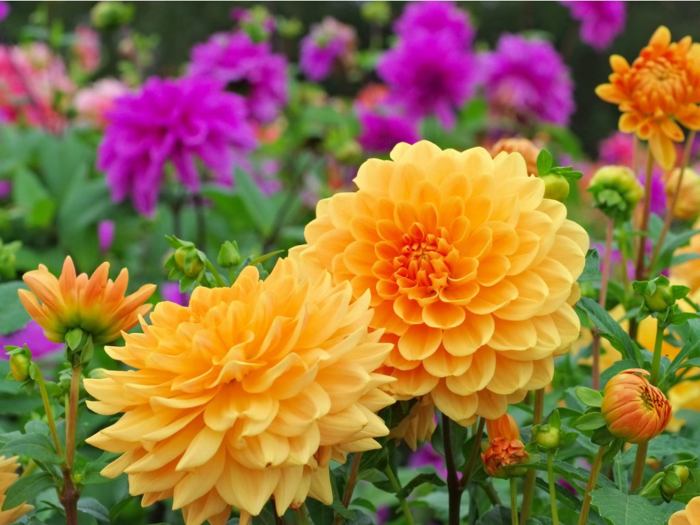
Dahlias are widely used as cut flowers, prized for their longevity and vibrant colors. Their striking appearance makes them popular for garden ornamentation, adding a touch of elegance and drama to landscapes. Some research suggests potential medicinal applications, though further study is needed.
Cultural Significance
Dahlias hold symbolic meanings in various cultures. In some, they represent dignity and elegance; in others, they symbolize inner strength and commitment. Their historical significance is tied to their origin in Mexico and their subsequent cultivation and hybridization worldwide.
Dahlias in Floral Arrangements
Dahlias’ diverse shapes and colors make them versatile elements in floral arrangements. They can be used as focal points in bouquets, adding texture and visual interest. Their adaptability allows them to complement various other flowers and foliage.
Diverse Applications of Dahlia Flowers
- Bouquets and floral arrangements
- Wedding decorations
- Garden displays and borders
- Artistic representations (paintings, photography)
- Dried flower arrangements
Dahlia Flower Visual Characteristics
The visual appeal of dahlias is undeniable, stemming from their diverse colors, patterns, and intricate structures.
Color and Patterns
Dahlias boast an extraordinary range of colors, from soft pastels to bold, vibrant hues. They can be single-colored, bi-colored, or feature intricate patterns like streaks, speckles, and watermarks. The color intensity can vary depending on the cultivar and growing conditions.
Flower Structure
A dahlia flower is composed of a central disc florets (small flowers) surrounded by ray florets (larger petal-like structures). The number and arrangement of these florets determine the overall bloom shape. The reproductive parts are located within the disc florets.
Visual Appeal of a Specific Dahlia Variety, Type of plant dahlia flower
The ‘Café au Lait’ dahlia, for example, captivates with its unique creamy, coffee-colored blooms. The petals are broad and slightly overlapping, creating a soft, almost velvety texture. The color is remarkably consistent throughout the bloom, creating a sophisticated and elegant appearance.
Petal Structure Comparison Table
| Type | Petal Arrangement | Petal Shape | Petal Texture |
|---|---|---|---|
| Single | One row of ray florets | Broad, flat | Smooth |
| Semi-Cactus | Multiple rows of ray florets | Slightly pointed, slightly rolled | Smooth to slightly textured |
| Collarette | Inner ring of small florets, outer ring of larger florets | Varied, depending on outer ring | Smooth to slightly textured |
Dahlia Breeding and Hybridization
The stunning diversity of dahlias is a testament to successful breeding and hybridization efforts over centuries.
Dahlia Breeding Process
Dahlia breeding involves selecting parent plants with desirable traits and cross-pollinating them to produce offspring with a combination of those traits. This often involves careful hand-pollination to control which plants are crossed. The resulting seeds are then sown, and the seedlings are evaluated for desirable characteristics.
Genetic Factors
Genetic factors govern a wide array of dahlia characteristics, including flower color (determined by pigments like anthocyanins and carotenoids), size (influenced by genes controlling cell division and growth), and shape (related to the expression of genes regulating floret development).
Significant Dahlia Hybrids
Many significant dahlia hybrids have been developed over time, each with unique traits. For example, the ‘Bishop of Llandaff’ is known for its deep red flowers and dark foliage, while the ‘Karma’ series boasts a wide range of colors and exceptional disease resistance.
Specific examples of hybrid traits would require detailed knowledge of individual cultivars and their parentage.
Cross-Pollination Steps
Cross-pollination involves transferring pollen from the anthers (male part) of one dahlia flower to the stigma (female part) of another. This can be done manually using a small brush or by allowing pollinators to do the work. The process requires understanding the dahlia’s flowering cycle and the timing of pollen release and stigma receptivity.
The resulting seeds, if successful, will carry a combination of genetic material from both parent plants.
Final Review
The dahlia’s captivating beauty and incredible diversity make it a cherished flower worldwide. From its intricate bloom structures to its vibrant color palette and diverse uses, the dahlia continues to fascinate and inspire. Whether you’re a seasoned gardener or a curious enthusiast, exploring the world of dahlias is a journey filled with stunning visuals and rewarding experiences.
So, dive in, discover your favorite varieties, and let the beauty of the dahlia bloom in your life.
Expert Answers: Type Of Plant Dahlia Flower
Are dahlias difficult to grow?
Not at all! Dahlias are relatively easy to grow, especially with the right conditions (sun, well-drained soil). However, they do require consistent watering and protection from pests.
When should I plant dahlia tubers?
After the last frost, when the soil has warmed up. This is typically in spring or early summer.
How long do dahlia blooms last?
This depends on the variety and the growing conditions, but many dahlia blooms last for several weeks.
Can I grow dahlias from seed?
Yes, but it’s often easier and faster to grow them from tubers. Seeds may not always produce true-to-type plants.
What do I do with dahlia tubers in winter?
In colder climates, you need to lift and store dahlia tubers indoors over winter to prevent them from freezing.