How to plant dahlia bulbs? It’s more than just sticking a bulb in the ground; it’s about coaxing these vibrant blooms into a dazzling display. From selecting the perfect bulbs to ensuring they thrive through the seasons, we’ll cover everything you need to know to cultivate a stunning dahlia garden.
This guide provides a practical, step-by-step approach, covering everything from soil preparation to overwintering techniques, ensuring your dahlias flourish.
We’ll explore the different dahlia varieties, helping you choose the right ones for your space and climate. Then, we’ll guide you through preparing your planting site, planting the bulbs correctly, and providing the essential care they need to thrive.
Finally, we’ll discuss crucial aftercare, including watering, fertilizing, and pest control, to keep your dahlias healthy and blooming all season long.
Choosing Dahlia Bulbs
Selecting the right dahlia bulbs is crucial for a successful bloom. Consider factors like bulb size, color, and bloom type to achieve your desired garden aesthetic. Understanding the health of your bulbs is also key to preventing problems down the line.
Dahlia Bulb Varieties
Dahlias come in a stunning array of sizes, colors, and bloom forms. The following table provides a general overview of some common types.
| Type | Size (approx. cm) | Color Variations | Bloom Characteristics |
|---|---|---|---|
| Ball Dahlias | 10-15 | Wide range, including red, yellow, orange, pink, purple, and white | Perfectly round, pompom-like blooms |
| Decorative Dahlias | 10-20 | Vast array of colors and bicolors | Large, flat blooms with broad, pointed petals |
| Waterlily Dahlias | 10-15 | Many colors available | Flat blooms with broad, overlapping petals that curve slightly inwards |
| Cactus Dahlias | 10-20 | Diverse color options | Narrow, pointed petals that roll outward |
Selecting Healthy Dahlia Bulbs
Choosing healthy bulbs is paramount for successful growth. Healthy bulbs are firm, plump, and free from blemishes or signs of disease. Unhealthy bulbs might be shriveled, soft, or show discoloration, rot, or insect damage.
Healthy Bulb:Imagine a firm, plump bulb with smooth, unblemished skin. The color should be consistent and vibrant, appropriate for the variety. No soft spots or signs of decay are present.
Unhealthy Bulb:Picture a shriveled, wrinkled bulb that feels light and dry. There may be discoloration, soft spots, or visible mold. Insect damage, such as holes or tunnels, could also be present.
Choosing Dahlia Bulb Sizes
Dahlia bulb size influences the ultimate plant size and bloom size. Larger bulbs generally produce larger plants with more abundant blooms. Smaller bulbs may require more time to establish themselves but still produce beautiful flowers. Consider the planting location; smaller bulbs are suitable for containers or smaller garden spaces, while larger bulbs are better suited for open ground and larger gardens.
Preparing for Planting
Proper soil preparation and bulb treatment are essential for maximizing dahlia growth and flowering. Preparing the soil ensures optimal drainage and fertility, while preparing the bulbs helps prevent disease.
Ideal Soil Conditions, How to plant dahlia bulbs
Dahlias thrive in well-drained soil that is rich in organic matter. The ideal soil pH is slightly acidic to neutral (6.0-7.0). Heavy clay soils should be amended to improve drainage. Sandy soils may benefit from the addition of organic matter to improve water retention.
Preparing the Planting Site
Begin by loosening the soil to a depth of at least 12 inches. Incorporate compost or well-rotted manure to enhance soil fertility and drainage. Remove any weeds or debris from the planting area.
Preparing Dahlia Bulbs Before Planting
Preparing the bulbs before planting can improve their chances of success and reduce the risk of disease. Follow these steps:
- Inspect each bulb for damage or disease. Discard any unhealthy bulbs.
- Soak the bulbs in a fungicide solution for 30 minutes to help prevent fungal diseases.
- Allow the bulbs to air dry completely before planting.
Planting Dahlia Bulbs
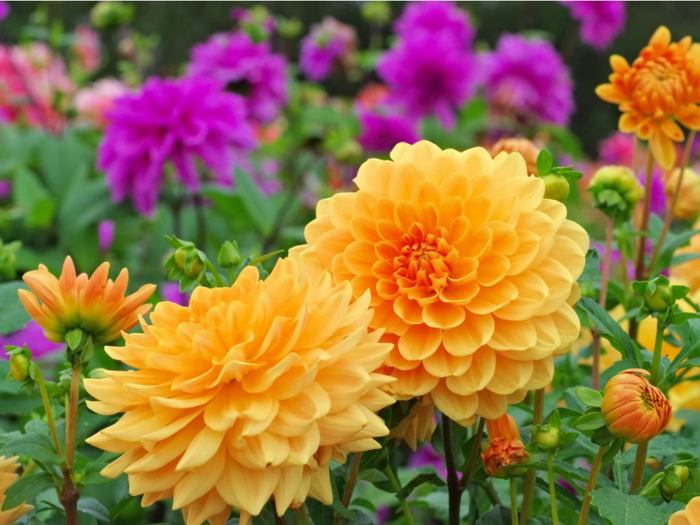
Planting depth and spacing are crucial for optimal growth. Proper planting ensures the bulbs have enough space to develop and prevents overcrowding.
Planting Dahlia Bulbs: Depth, Spacing, and Orientation
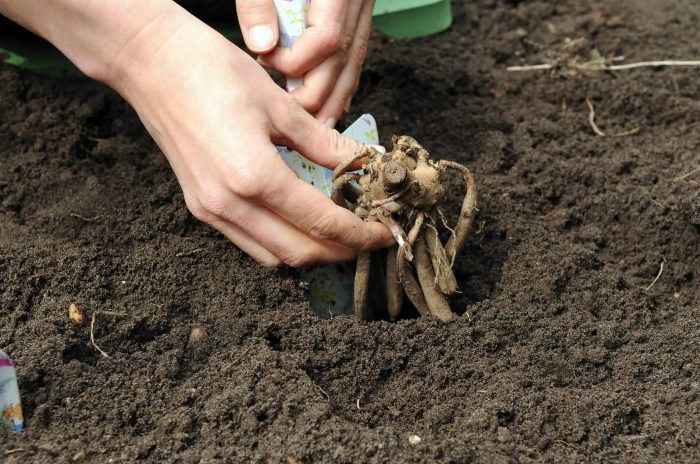
Plant dahlia bulbs with their “eyes” (growing points) facing upwards. Planting depth depends on bulb size: smaller bulbs can be planted shallower (about 2-3 inches), while larger bulbs should be planted deeper (4-6 inches). Space bulbs approximately 12-18 inches apart, depending on the mature size of the variety.
Diagram:Imagine a simple diagram showing a bulb planted with its eyes facing upwards, at an appropriate depth, and with sufficient spacing between other bulbs.
Optimal Planting Time
The best time to plant dahlia bulbs is after the last frost, when the soil has warmed up and the risk of frost has passed. This typically falls between late spring and early summer, depending on your climate and growing zone.
Planting Methods: In-Ground vs. Containers
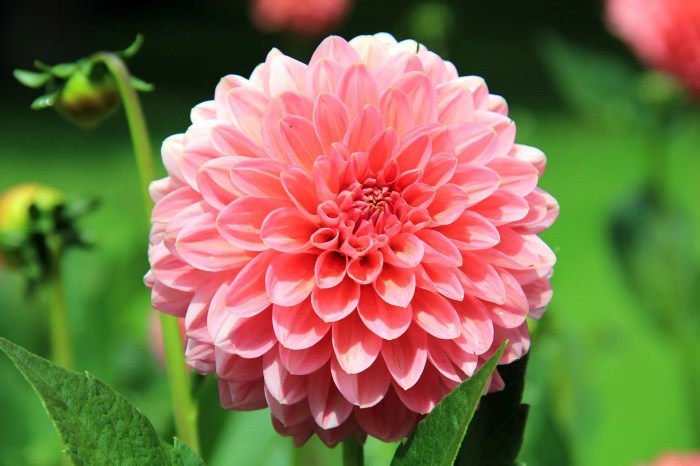
Dahlias can be planted directly into the ground or in containers. In-ground planting allows for larger, more established plants, while container planting offers greater control over soil conditions and easier mobility. Container planting is particularly beneficial in areas with poor soil drainage or shorter growing seasons.
Dahlia Bulb Aftercare: How To Plant Dahlia Bulbs
Providing proper care after planting is crucial for healthy dahlia growth and abundant blooms. This includes regular watering, fertilization, and disease management.
Watering Requirements
Water dahlias regularly, keeping the soil consistently moist but not waterlogged. Adjust watering frequency based on weather conditions and soil type. During hot, dry periods, more frequent watering may be necessary.
Fertilizing Dahlias
Dahlias are heavy feeders and benefit from regular fertilization. Use a balanced, slow-release fertilizer every 2-3 weeks throughout the growing season. Avoid over-fertilizing, which can lead to excessive foliage growth at the expense of blooms.
Fertilization Schedule:A sample schedule could be: initial application at planting, followed by applications every 2-3 weeks until the end of summer.
Common Dahlia Diseases and Pests
Dahlias can be susceptible to various diseases and pests. Early detection and appropriate control measures are essential for maintaining plant health.
| Pest/Disease | Symptoms | Control Measures |
|---|---|---|
| Aphids | Small, soft-bodied insects that suck sap from plants, causing leaf curling and stunted growth | Use insecticidal soap or neem oil. Encourage beneficial insects like ladybugs. |
| Powdery Mildew | White, powdery coating on leaves and stems | Improve air circulation. Apply a fungicide specifically designed for powdery mildew. |
| Slugs and Snails | Damaged leaves and stems with slimy trails | Use slug bait or handpick slugs and snails at night. |
Supporting and Maintaining Dahlias
Supporting and maintaining your dahlias ensures their health and longevity, promoting abundant and long-lasting blooms.
Staking and Supporting Dahlias
Dahlias, especially taller varieties, benefit from staking to prevent damage from wind and heavy blooms. Use sturdy stakes and tie the plants gently to the stakes as they grow. Various staking methods exist, such as individual stakes or a framework of stakes and netting.
Staking Methods:Imagine illustrations showing different staking techniques, including individual stakes, a teepee-style arrangement, and a grid system with netting.
Deadheading Dahlias
Regularly deadheading (removing spent blooms) encourages continuous blooming throughout the growing season. Cut the flower stems back to a set of leaves, promoting new growth and more flowers.
Overwintering Dahlia Bulbs
In colder climates, dahlia bulbs need to be dug up and stored over winter to protect them from freezing temperatures. After the first frost, dig up the bulbs, clean them, and allow them to dry completely. Store them in a cool, dry, dark place, such as a basement or garage, in peat moss or vermiculite.
Conclusive Thoughts
Planting dahlia bulbs is a rewarding experience that transforms your garden into a vibrant tapestry of color. By following the steps Artikeld in this guide – from careful bulb selection and soil preparation to diligent aftercare – you’ll be well on your way to enjoying a spectacular dahlia display.
Remember, attention to detail throughout the process will significantly impact the health and beauty of your flowers. So, get planting, and get ready to be amazed!
FAQ Resource
Can I plant dahlia bulbs in pots?
Yes, absolutely! Potted dahlias are a great option, especially for smaller spaces or if you need to move them for sun exposure. Just ensure the pot is large enough with adequate drainage.
When should I dig up my dahlia bulbs for winter?
Once the first frost hits and the foliage dies back, it’s time to dig up your dahlia bulbs. This usually happens in late fall.
What should I do if my dahlia bulbs are sprouting before planting?
Gently handle any sprouts; don’t worry if they break off. Plant them as you normally would, just be extra careful during planting.
My dahlias aren’t blooming. What’s wrong?
Several factors could be at play: insufficient sunlight, improper watering, lack of fertilization, or pests/diseases. Review the care instructions and troubleshoot each possibility.