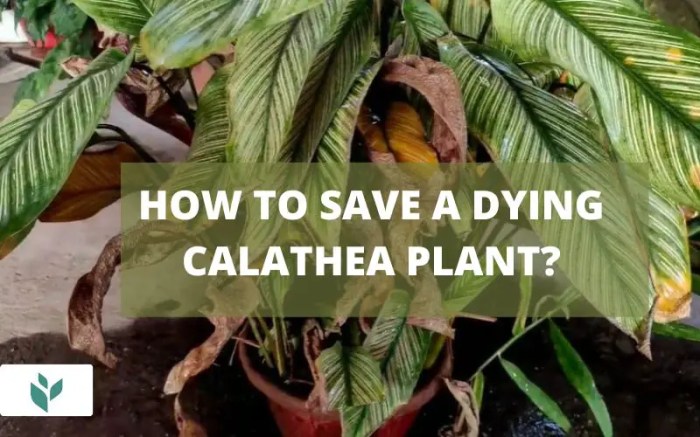
How to save a dying Calathea plant? It’s a question many plant parents face. These striking plants, with their vibrant leaves and unique patterns, are notoriously sensitive. A slight shift in their environment can send them into a decline, leaving owners scrambling to revive them.
This guide will walk you through identifying the problem, assessing your plant’s condition, and implementing effective treatment and long-term care strategies to bring your Calathea back to its former glory.
We’ll cover everything from diagnosing common ailments like root rot and pest infestations to mastering the art of providing the perfect light, humidity, and watering schedule. We’ll also delve into the nuances of repotting, pruning, and fertilization, providing you with the knowledge and confidence to nurse your Calathea back to health.
Get ready to become a Calathea-saving expert!
Identifying Calathea Problems: Causes of Decline
Calathea plants, known for their striking foliage, can be surprisingly sensitive. Their decline often stems from environmental issues or pest infestations. Understanding these factors is crucial for effective treatment.
Environmental Factors Affecting Calathea Health
Several environmental factors significantly impact a Calathea’s health. Improper lighting, temperature fluctuations, and insufficient humidity are common culprits. Calatheas thrive in indirect, bright light; direct sunlight can scorch their leaves. They prefer temperatures between 65-80°F (18-27°C) and consistently high humidity, ideally above 60%.
Deviations from these ideal conditions often manifest as leaf browning, curling, or wilting.
Calathea Diseases and Pests
Various diseases and pests can attack Calatheas, leading to their decline. Common fungal diseases include root rot (characterized by mushy, dark roots and wilting foliage) and leaf spot (showing brown or black spots on leaves). Pests such as spider mites (causing fine webbing and stippling on leaves) and mealybugs (appearing as white, cottony masses on stems and leaves) can also weaken the plant.
Comparative Analysis of Calathea Ailments
Different ailments exhibit distinct symptoms. Root rot, for example, causes wilting and yellowing, while spider mites lead to stippling and webbing. Leaf spot manifests as localized lesions, unlike the overall decline seen in nutrient deficiencies. Accurate diagnosis is key to effective treatment.
Calathea Ailment Symptoms
| Symptom | Possible Cause | Severity | Treatment Suggestion |
|---|---|---|---|
| Yellowing leaves | Overwatering, underwatering, nutrient deficiency | Mild to severe | Adjust watering, fertilize if needed |
| Brown leaf tips | Low humidity, underwatering, fluoride in water | Mild to moderate | Increase humidity, adjust watering, use filtered water |
| Curled leaves | Low humidity, underwatering, cold temperatures | Mild to moderate | Increase humidity, adjust watering, move to warmer location |
| Wilting | Root rot, underwatering, extreme temperatures | Severe | Repot if root rot is present, adjust watering, move to more stable temperature |
| Leaf spots | Fungal infection | Mild to severe | Treat with fungicide, remove affected leaves |
| Spider mite infestation | Spider mites | Mild to severe | Treat with insecticidal soap or neem oil |
Assessing Your Calathea’s Condition
A thorough inspection is crucial to determine the extent of the problem. This involves examining the leaves, stems, and roots. Early detection increases the chances of successful recovery.
Step-by-Step Calathea Inspection, How to save a dying calathea plant
- Visual Inspection:Carefully examine the leaves for discoloration, spots, curling, or wilting. Check stems for any signs of damage or pests.
- Soil Moisture Check:Insert your finger about an inch into the soil. If it feels dry, the plant needs water. If it’s consistently soggy, root rot may be a concern.
- Root System Examination:Gently remove the plant from its pot. Inspect the roots for signs of rot (mushy, dark brown roots) or damage. If the roots are healthy, they should be firm and light-colored.
- Light and Humidity Assessment:Note the plant’s location concerning light and humidity. Is it in direct sunlight? Is the air dry?
Calathea Health Checklist
- Leaf color: vibrant green or showing discoloration?
- Leaf texture: firm or wilting/crispy?
- Soil moisture: dry, moist, or soggy?
- Light exposure: direct sunlight or indirect light?
- Presence of pests: any visible insects or webbing?
- Overall appearance: healthy and vigorous or showing signs of distress?
Addressing Environmental Factors
Creating the right environment is paramount for Calathea recovery. This involves optimizing light, temperature, humidity, and watering techniques.
Optimal Growing Conditions for Calatheas
Calatheas thrive in bright, indirect light, temperatures between 65-80°F (18-27°C), and high humidity (above 60%). Avoid drafts and sudden temperature changes.
Watering Techniques for Dying Calatheas
- Bottom Watering:Place the pot in a tray of water, allowing the soil to absorb moisture from below. This helps prevent overwatering.
- Top Watering:Water thoroughly until water drains from the drainage holes. Allow the top inch of soil to dry before watering again.
Bottom watering is generally preferred for Calatheas to avoid leaf spotting.
Suitable Potting Mixes
A well-draining potting mix is essential to prevent root rot. A mix of peat moss, perlite, and orchid bark provides excellent drainage and aeration.
Improving Humidity
- Place the pot on a pebble tray filled with water.
- Group plants together to create a more humid microclimate.
- Use a humidifier to increase the humidity in the room.
- Mist the leaves regularly with water.
Treatment and Care Strategies
Once the problem is identified, targeted treatment is necessary. This may involve repotting, pruning, pest control, and a gradual restoration plan.
Repotting a Calathea
- Gently remove the plant from its pot.
- Inspect the roots and remove any rotted or damaged portions.
- Place the plant in a new pot with fresh, well-draining potting mix.
- Water thoroughly after repotting.
Pruning Damaged Leaves and Stems
Use clean, sharp pruning shears to remove any damaged or diseased leaves and stems. Cut cleanly at the base of the affected area.
Treating Calathea Pests and Diseases
- Pests:Treat infestations with insecticidal soap, neem oil, or other appropriate pesticides.
- Diseases:Apply a fungicide to combat fungal infections.
Calathea Restoration Plan
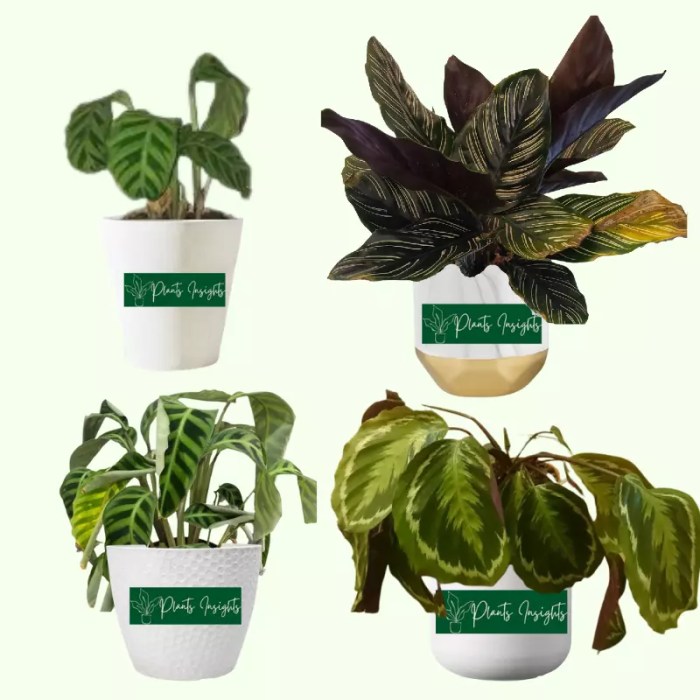
A gradual restoration plan, focusing on consistent care and monitoring, is essential. Regularly check the plant’s condition and adjust care as needed. Expect improvement to be gradual, not immediate.
Prevention and Long-Term Care: How To Save A Dying Calathea Plant
Preventative measures significantly reduce the risk of future problems. This includes proper watering, fertilization, and pest control.
Preventative Measures
- Water appropriately, avoiding both overwatering and underwatering.
- Fertilize regularly during the growing season with a balanced liquid fertilizer.
- Inspect the plant regularly for pests and diseases.
- Maintain optimal humidity levels.
Ideal Environment for Long-Term Health
A consistently humid environment with bright, indirect light and stable temperatures is ideal for long-term Calathea health.
Calathea Fertilization
Use a balanced liquid fertilizer diluted to half strength every 2-4 weeks during the growing season (spring and summer). Reduce or stop fertilizing during the dormant season (fall and winter).
A Healthy Calathea: A Visual Description
A healthy Calathea displays vibrant, richly colored leaves with a firm texture. The leaves are unblemished, with no signs of discoloration, curling, or pests. The stems are strong and upright, and the overall appearance is lush and vigorous.
The plant’s soil is consistently moist but not waterlogged.
Outcome Summary
Saving a dying Calathea requires careful observation, a bit of detective work, and consistent care. By understanding the factors that contribute to their decline and implementing the strategies Artikeld in this guide, you can significantly improve your chances of reviving your plant.
Remember, patience is key; Calatheas can be slow to respond to treatment, but with persistence, you can watch your plant flourish once more. Don’t give up – your beautiful Calathea is worth the effort!
Frequently Asked Questions
Can I use tap water for my Calathea?
It’s best to avoid tap water, as chlorine and fluoride can harm your Calathea. Use filtered or distilled water instead.
My Calathea leaves are curling. What does that mean?
Curling leaves often indicate underwatering, low humidity, or temperature fluctuations. Check your watering routine and humidity levels.
How often should I fertilize my Calathea?
Fertilize your Calathea during the growing season (spring and summer) with a balanced liquid fertilizer, diluted to half strength, every 2-4 weeks.
What’s the best way to increase humidity around my Calathea?
Use a humidifier, pebble tray, or group your Calathea with other plants to increase humidity. Regular misting can also help, but it’s not a long-term solution.