How to plant orchid plants? It’s a question many aspiring orchid growers ask, and the answer is surprisingly multifaceted. These exquisite flowers, known for their beauty and longevity, demand a specific approach to thrive. From selecting the perfect plant and preparing the ideal potting mix to understanding the nuances of watering, lighting, and fertilization, mastering the art of orchid cultivation involves careful attention to detail.
This guide delves into each crucial step, equipping you with the knowledge to nurture your orchid from planting to flourishing.
We’ll cover everything from choosing a healthy orchid—recognizing the signs of a robust root system and vibrant leaves—to preparing a well-draining potting mix that prevents root rot. We’ll walk you through the planting process step-by-step, highlighting common pitfalls to avoid and offering solutions to troubleshoot potential problems.
Finally, we’ll explore orchid propagation methods, empowering you to expand your collection and share the beauty of these remarkable plants.
Choosing the Right Orchid
Selecting the perfect orchid is the first step to successful cultivation. Understanding the diverse world of orchids and their individual needs is crucial for long-term health and vibrant blooms. This section will guide you through choosing a healthy orchid and understanding its basic requirements.
Orchid Types and Their Needs
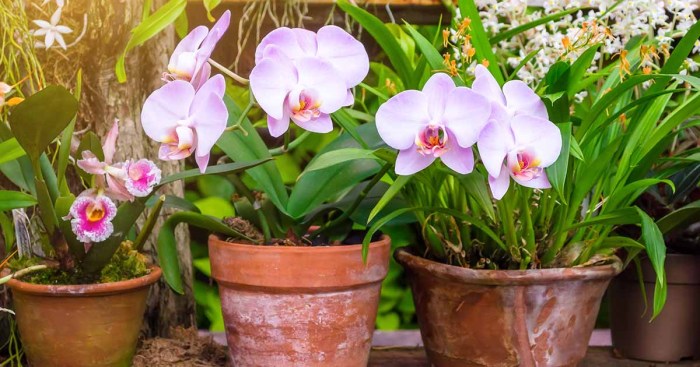
The orchid family is incredibly diverse, with thousands of species and countless hybrids. Popular choices for beginners often include Phalaenopsis (moth orchids), known for their relatively easy care and long-lasting blooms; Dendrobiums, offering a wide variety of colors and bloom shapes; and Oncidiums, appreciated for their cheerful, dancing-lady-like flowers.
Each type has slightly different needs regarding light, humidity, and watering. Phalaenopsis generally prefer bright, indirect light, while Dendrobiums may tolerate more direct sun, and Oncidiums fall somewhere in between. Researching the specific needs of your chosen orchid variety is essential.
Selecting a Healthy Orchid
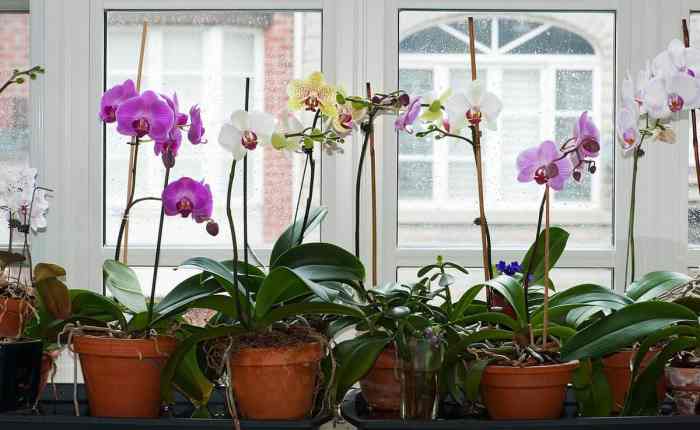
When purchasing an orchid, carefully inspect the plant for signs of health. A healthy orchid will have firm, plump leaves free from blemishes or discoloration. The roots should be a silvery-green color, indicating they’re healthy and hydrated. Avoid orchids with yellowing, shriveled, or mushy leaves, as these are signs of stress or disease.
Pseudobulbs (the swollen stems that store water) should be firm and not shrunken.
Characteristics of a Healthy Orchid
- Roots:Silvery-green, firm, and plump. Avoid brown, mushy, or rotting roots.
- Leaves:Firm, plump, and evenly colored. Avoid yellowing, browning, or spotted leaves.
- Pseudobulbs (if applicable):Firm and plump, not shrunken or wrinkled.
Preparing for Planting
Proper preparation is key to a successful orchid planting. This includes selecting the right potting mix, sterilizing your equipment, and choosing an appropriately sized pot.
Ideal Potting Mix for Orchids
Orchids require a well-draining potting mix that allows for good aeration around the roots. Avoid using regular garden soil, as it retains too much moisture and can lead to root rot. A good orchid mix typically consists of a combination of bark, charcoal, perlite, and sphagnum moss.
The exact proportions can vary depending on the orchid type and your climate.
| Component | Purpose | Advantages | Disadvantages |
|---|---|---|---|
| Fir Bark | Provides structure and drainage | Durable, good aeration | Can break down over time |
| Charcoal | Improves drainage and aeration, helps prevent fungal growth | Excellent drainage, antimicrobial properties | Can be dusty |
| Perlite | Improves drainage and aeration | Lightweight, retains some moisture | Can be dusty |
| Sphagnum Moss | Retains moisture | Excellent moisture retention | Can decompose quickly if not properly managed |
Sterilizing Pots and Tools
Sterilizing your pots and tools helps prevent the spread of diseases and pests. You can sterilize pots by washing them thoroughly with soap and water, then rinsing with a diluted bleach solution (1 part bleach to 9 parts water).
Tools can be sterilized by wiping them down with rubbing alcohol.
Choosing the Right Pot Size
The pot should be just slightly larger than the orchid’s root system. A pot that’s too large can retain too much moisture, increasing the risk of root rot. A pot that’s too small will restrict root growth.
Planting the Orchid
The process of planting an orchid involves carefully removing the plant from its existing container, inspecting the roots, and planting it in a new pot with the appropriate potting mix. Proper placement of the orchid within the pot is crucial for healthy root development and overall plant health.
Step-by-Step Planting Process
- Gently remove the orchid from its existing pot.
- Gently loosen any tightly packed potting mix from the roots.
- Inspect the roots for any signs of damage or rot. Trim away any damaged or dead roots with sterilized scissors.
- Place a layer of fresh potting mix in the bottom of the new pot.
- Position the orchid in the pot, ensuring the crown (where the leaves emerge) is slightly above the rim of the pot.
- Fill the pot with fresh potting mix, gently working it around the roots.
- Do not pack the potting mix too tightly.
- Water the orchid lightly after planting.
Positioning the Orchid
The orchid should be positioned so that the crown is slightly above the rim of the pot, preventing it from sitting in water and promoting good drainage. Ensure there is enough space for root growth, without overcrowding the pot.
Common Planting Mistakes to Avoid
- Using the wrong potting mix.
- Packing the potting mix too tightly.
- Planting the orchid too deeply.
- Not sterilizing pots and tools.
Aftercare and Maintenance
Providing the right care after planting is essential for your orchid’s long-term health and flowering. This includes establishing a proper watering schedule, maintaining ideal light and humidity levels, and fertilizing appropriately.
Watering Schedule
Watering frequency depends on several factors, including the type of orchid, the potting mix, and environmental conditions. Generally, orchids should be watered when the potting mix is almost dry. Avoid letting the roots sit in water, as this can lead to root rot.
Feel the potting mix with your finger; if it feels dry, it’s time to water. Watering should be thorough, ensuring the water drains freely from the drainage holes.
Light and Humidity
Most orchids thrive in bright, indirect light. Avoid direct sunlight, which can scorch the leaves. High humidity is also beneficial for most orchids. You can increase humidity by placing the orchid on a tray of pebbles filled with water, or by using a humidifier.
Fertilization
Fertilize orchids regularly during their growing season (spring and summer) with a balanced orchid fertilizer diluted to half strength. Reduce or stop fertilizing during the dormant season (fall and winter).
Troubleshooting Common Problems
Even with proper care, orchids can sometimes encounter problems. Identifying and addressing these issues promptly is crucial for maintaining a healthy plant. Common problems include root rot, leaf spot, and pest infestations.
Common Orchid Problems and Solutions
Root rot is often caused by overwatering or poor drainage. Leaf spot can be caused by fungal or bacterial infections. Pest infestations can be caused by various insects and mites.
| Problem | Symptoms | Solution |
|---|---|---|
| Root Rot | Mushy, brown roots; yellowing leaves | Improve drainage; repot in fresh potting mix; reduce watering |
| Leaf Spot | Brown or black spots on leaves | Remove affected leaves; apply a fungicide or bactericide |
| Pest Infestations | Visible insects or mites; damage to leaves or flowers | Use insecticidal soap or neem oil; remove affected parts |
Pest Control Methods
| Method | Effectiveness | Advantages | Disadvantages |
|---|---|---|---|
| Insecticidal Soap | Effective against many soft-bodied insects | Relatively safe for plants and people | Needs to be reapplied frequently |
| Neem Oil | Effective against many insects and mites | Natural product | Can be messy to apply |
| Isopropyl Alcohol | Effective against some insects and mites | Quick and easy to apply | Can damage plant leaves if used incorrectly |
Orchid Propagation
Orchid propagation allows you to increase your orchid collection. Several methods exist, each with its own advantages and disadvantages. The choice of method depends on the type of orchid and your experience level.
Orchid Propagation Methods
Common methods include division (separating mature plants), keiki production (growing plantlets from the mother plant), and seed propagation (growing orchids from seeds). Division is generally the easiest method for beginners, while seed propagation is more challenging and requires specialized techniques.
Division
Division involves carefully separating a mature orchid plant into two or more smaller plants, each with its own root system. This method is best suited for orchids that produce multiple growth points.
Keiki Production
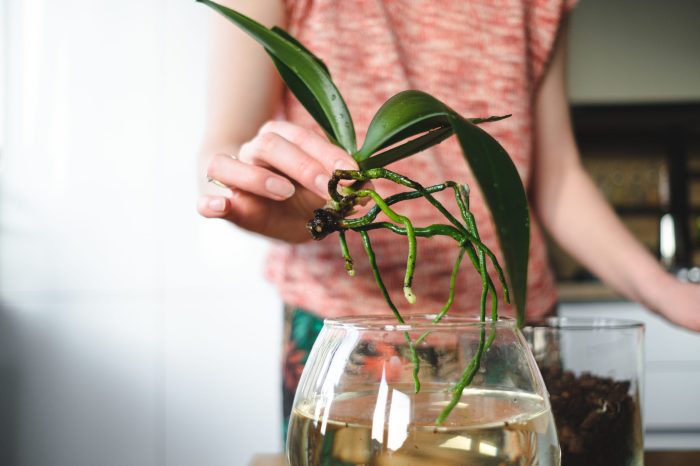
Keikis are small plantlets that sometimes grow from the mother plant’s stem or inflorescence. These can be carefully separated and potted once they develop their own roots.
Seed Propagation
Seed propagation is a more complex method requiring sterile conditions and specialized media. Orchid seeds are tiny and require specific nutrients and conditions to germinate.
Comparing Propagation Methods
Division is relatively easy and quick, while keiki production is also relatively simple but may not always be successful. Seed propagation is the most challenging method but can yield a large number of plants.
Visual Guide to Orchid Planting
Proper Orchid Planting Technique
Imagine an illustration depicting the proper planting of an orchid. The illustration shows healthy, silvery-green roots gently nestled within a well-draining potting mix. The orchid’s crown (the point where the leaves emerge) sits just above the surface of the mix, preventing it from rotting.
The potting mix itself is a loose blend of fir bark, charcoal, and perlite, ensuring good aeration and drainage. The roots are spread out naturally, not tightly compacted. The leaves are firm, plump, and a vibrant green, indicating a healthy plant.
Ideal Lighting and Humidity Conditions, How to plant orchid plant
Another illustration showcases the ideal lighting and humidity conditions for different orchid types. Phalaenopsis orchids are shown in a location with bright, indirect light, away from direct sunlight. The surrounding environment is depicted with moderately high humidity, perhaps indicated by a nearby humidifier or a tray of pebbles with water.
Dendrobiums are shown in a slightly brighter location, perhaps near a window with filtered sunlight, and also with high humidity. The illustration clearly distinguishes the light and humidity preferences for each orchid type, highlighting the importance of tailored care for optimal growth.
Wrap-Up
Successfully planting and nurturing an orchid is a rewarding experience that blends horticultural skill with a touch of patience. By carefully selecting your plant, preparing the right environment, and diligently attending to its needs, you can enjoy the breathtaking beauty of orchids for years to come.
Remember, every orchid is unique, so observation and adaptation are key to its long-term health and flourishing. This guide provides a solid foundation, but don’t hesitate to experiment and learn from your experiences. The journey of growing orchids is as fulfilling as the final bloom.
Clarifying Questions: How To Plant Orchid Plant
What type of water is best for orchids?
Filtered or rainwater is ideal. Avoid tap water with high fluoride or chlorine content.
How often should I fertilize my orchid?
During the growing season (spring and summer), fertilize every 2-4 weeks with a balanced orchid fertilizer, diluted to half strength.
Why are my orchid’s leaves turning yellow?
Several factors can cause yellowing leaves, including overwatering, underwatering, insufficient light, or nutrient deficiencies. Inspect the roots and adjust your care accordingly.
My orchid has pests! What should I do?
Isolate the affected plant and treat it with an appropriate insecticide or miticide, following the product instructions carefully.
How do I know if my orchid needs repotting?
Repot when the roots are overcrowded or the potting mix has begun to decompose. Look for roots growing out of the drainage holes.